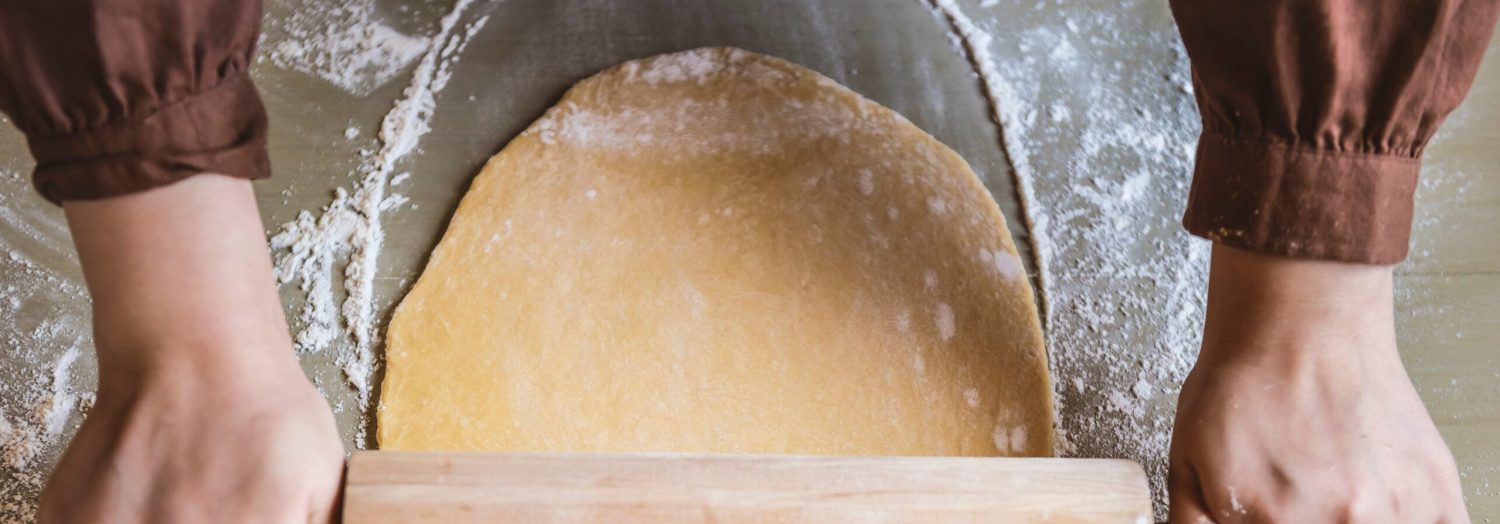
Indulge in the creamy delight of homemade custard, a classic dessert that brings comfort and satisfaction with every spoonful. This simple yet elegant recipe is perfect for any occasion, whether you're serving it as a standalone treat or as a luscious topping for pies and pastries.
While most of the ingredients for this custard recipe are common pantry staples, you might need to pick up cornstarch if you don't already have it. Cornstarch is essential for thickening the custard to the perfect consistency. Additionally, make sure you have fresh egg yolks on hand, as they play a crucial role in achieving the rich, velvety texture.
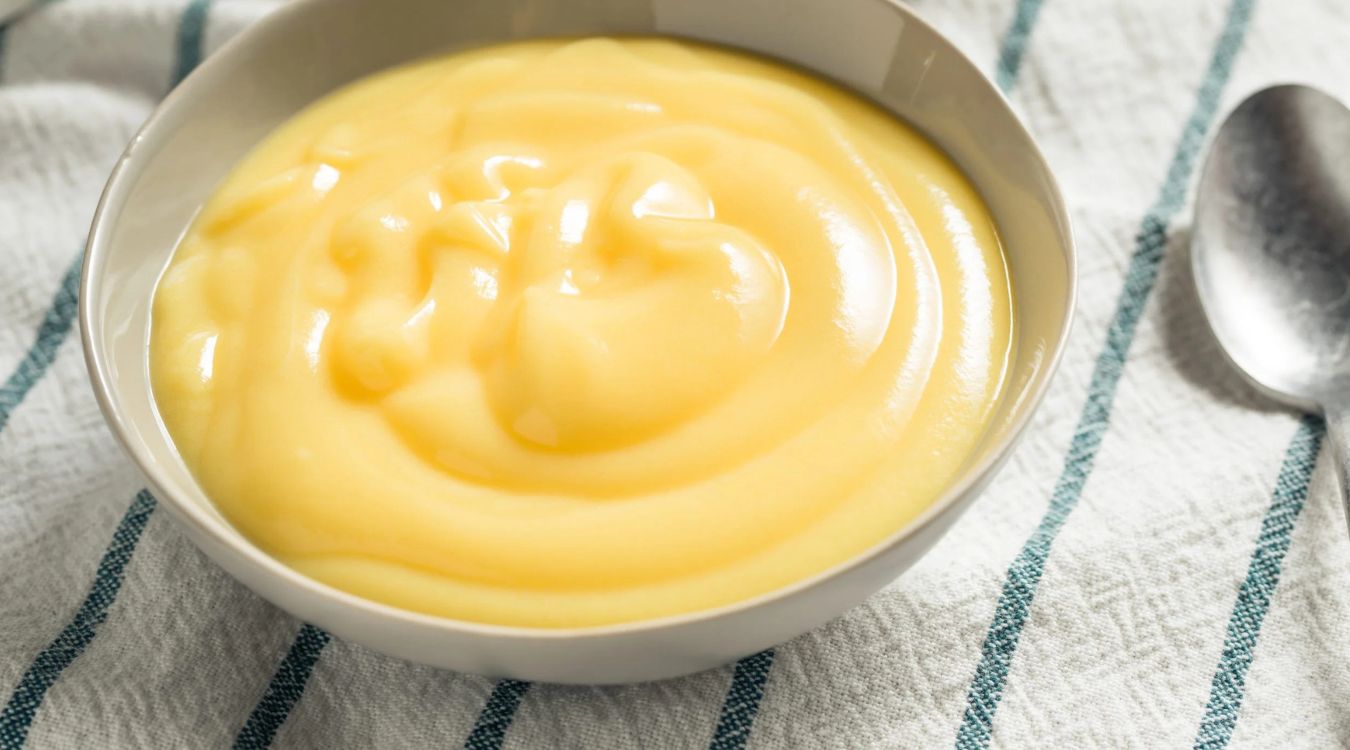
Ingredients For Custard Recipe
Milk: The base of the custard, providing a creamy texture and rich flavor.
Sugar: Adds sweetness to the custard, balancing the flavors.
Cornstarch: A thickening agent that helps achieve the desired consistency.
Vanilla extract: Infuses the custard with a warm, aromatic flavor.
Egg yolks: Contribute to the custard's rich and smooth texture.
Technique Tip for Making Custard
When heating the milk in the saucepan, make sure to stir occasionally to prevent a skin from forming on the surface. This will ensure a smoother custard. When whisking the sugar, cornstarch, and egg yolks together, aim for a pale, creamy mixture to ensure the custard will be silky and lump-free. When combining the hot milk with the egg mixture, do it gradually to temper the eggs and avoid curdling. Finally, when cooking the mixture to thicken it, use a wooden spoon or a heat-resistant spatula to stir constantly and reach the corners of the saucepan, preventing any scorching.
Suggested Side Dishes
Alternative Ingredients
milk - Substitute with almond milk: Almond milk provides a similar creamy texture and is a good option for those who are lactose intolerant or vegan.
milk - Substitute with coconut milk: Coconut milk adds a rich, tropical flavor and works well for a dairy-free alternative.
sugar - Substitute with honey: Honey adds a natural sweetness and a slightly different flavor profile, making it a healthier alternative.
sugar - Substitute with maple syrup: Maple syrup provides a unique sweetness and can add a subtle maple flavor to the custard.
cornstarch - Substitute with arrowroot powder: Arrowroot powder acts as a thickening agent similar to cornstarch and is a good gluten-free option.
cornstarch - Substitute with tapioca starch: Tapioca starch also works as a thickener and can give the custard a slightly different texture.
vanilla extract - Substitute with vanilla bean paste: Vanilla bean paste provides a more intense vanilla flavor and includes the seeds from the vanilla pod.
vanilla extract - Substitute with almond extract: Almond extract offers a different but complementary flavor, adding a nutty note to the custard.
egg yolks - Substitute with silken tofu: Silken tofu can mimic the creamy texture of egg yolks and is a good vegan alternative.
egg yolks - Substitute with custard powder: Custard powder can replace egg yolks and cornstarch, simplifying the recipe and providing a similar consistency.
Other Alternative Recipes Similar to Custard
How to Store or Freeze Custard
Allow the custard to cool to room temperature before storing. This helps prevent condensation, which can make the dessert watery.
Transfer the custard into an airtight container. This will keep it fresh and prevent it from absorbing any unwanted odors from the fridge.
Place a piece of plastic wrap directly on the surface of the custard before sealing the container. This step helps to prevent a skin from forming on top.
Store the custard in the refrigerator for up to 3 days. Beyond this, the texture and flavor may start to degrade.
For freezing, pour the cooled custard into a freezer-safe container, leaving some space at the top for expansion.
Cover the surface of the custard with plastic wrap before sealing the container tightly with its lid.
Label the container with the date to keep track of its freshness. Frozen custard can be stored for up to 2 months.
When ready to use, thaw the custard in the refrigerator overnight. Avoid thawing at room temperature to prevent bacterial growth.
After thawing, give the custard a good stir to restore its creamy consistency. If it appears too thick, you can whisk in a small amount of milk to achieve the desired texture.
Enjoy your custard as a standalone dessert or use it as a delightful filling for pastries and tarts.
How to Reheat Leftovers
Stovetop Method:
- Place the custard in a heavy-bottomed saucepan.
- Heat over low to medium heat, stirring constantly to prevent it from sticking or forming lumps.
- Warm until the custard reaches your desired temperature, but do not let it boil.
Double Boiler Method:
- Fill the bottom of a double boiler with water and bring it to a simmer.
- Place the custard in the top part of the double boiler.
- Stir continuously until the custard is evenly heated through.
Microwave Method:
- Transfer the custard to a microwave-safe bowl.
- Heat on medium power in 30-second intervals, stirring after each interval to ensure even heating.
- Continue until the custard is warm, but be careful not to overheat as it can curdle.
Oven Method:
- Preheat your oven to 300°F (150°C).
- Place the custard in an oven-safe dish.
- Cover the dish with aluminum foil to prevent a skin from forming.
- Heat for about 15-20 minutes, checking occasionally to ensure it doesn't overheat.
Steam Method:
- Set up a steamer by bringing water to a simmer in a pot.
- Place the custard in a heatproof bowl and set it in the steamer basket.
- Cover and steam for 5-10 minutes, stirring occasionally, until the custard is warmed through.
Best Tools for Making Custard
Saucepan: A medium-sized saucepan is essential for heating the milk and cooking the custard mixture.
Mixing bowl: Use a mixing bowl to whisk together the sugar, cornstarch, and egg yolks.
Whisk: A whisk is necessary for combining the ingredients smoothly and ensuring a lump-free custard.
Measuring cups: Measuring cups are needed to accurately measure the milk.
Measuring spoons: Use measuring spoons to measure the sugar, cornstarch, and vanilla extract precisely.
Stirring spoon: A stirring spoon will help you continuously stir the custard as it thickens.
Serving dishes: Pour the finished custard into serving dishes to cool and serve.
Heat-resistant spatula: A heat-resistant spatula can be useful for scraping the sides of the saucepan to ensure even cooking.
How to Save Time on Making Custard
Prepare ingredients in advance: Measure out the milk, sugar, cornstarch, and vanilla extract before starting to save time during cooking.
Use a microwave: Heat the milk in the microwave instead of on the stove to speed up the process.
Whisk constantly: To avoid lumps and ensure a smooth custard, whisk the mixture continuously while cooking.
Cool quickly: Pour the custard into shallow dishes to cool faster, or place the dishes in an ice bath.
Custard Recipe
Ingredients
Main Ingredients
- 2 cups Milk
- 3 tablespoon Sugar
- 2 tablespoon Cornstarch
- 1 teaspoon Vanilla Extract
- 2 Egg Yolks
Instructions
- In a saucepan, heat the milk over medium heat until it begins to steam.
- In a mixing bowl, whisk together the sugar, cornstarch, and egg yolks until smooth.
- Slowly pour the hot milk into the egg mixture, whisking constantly.
- Return the mixture to the saucepan and cook over medium heat, stirring constantly, until thickened.
- Remove from heat and stir in the vanilla extract.
- Pour the custard into serving dishes and let cool before serving.
Nutritional Value
Keywords
Suggested Appetizers and Main Courses for Custard
More Amazing Recipes to Try 🙂
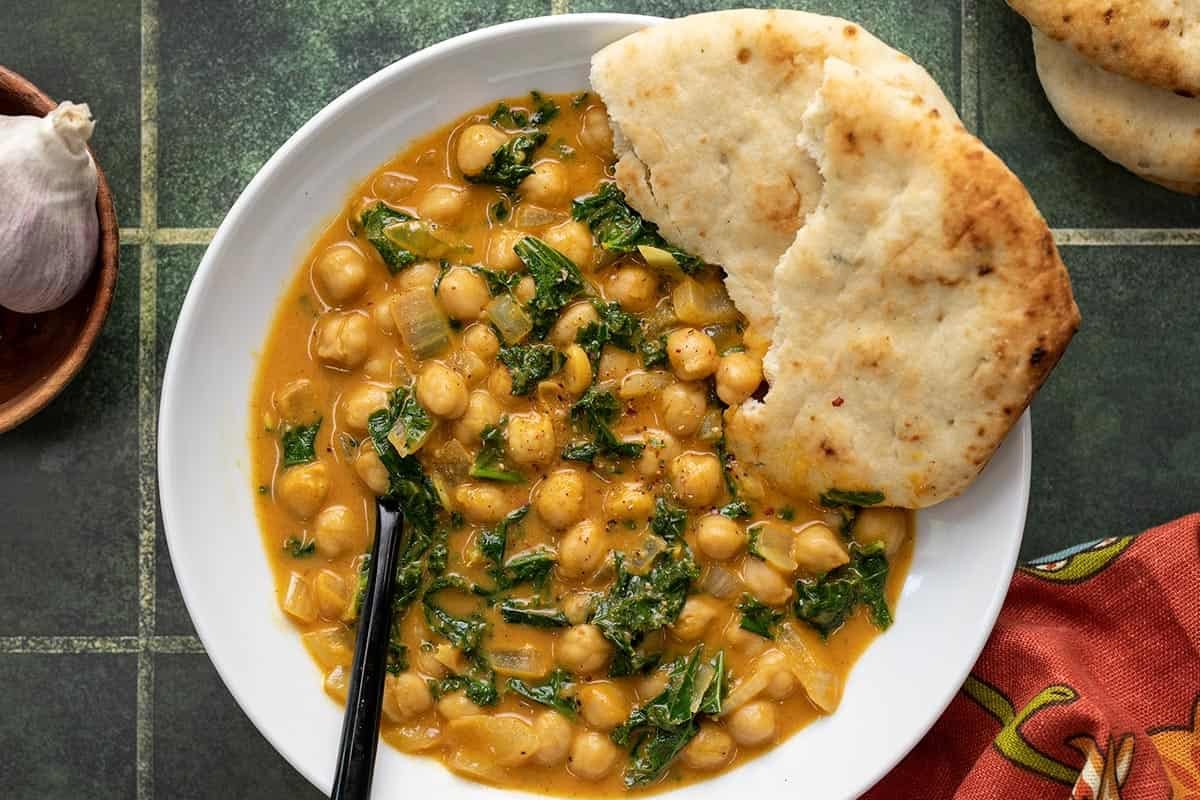
- Indian Coconut Chickpea Curry Recipe45 Minutes
- Indian Misal Pav Recipe1 Hours
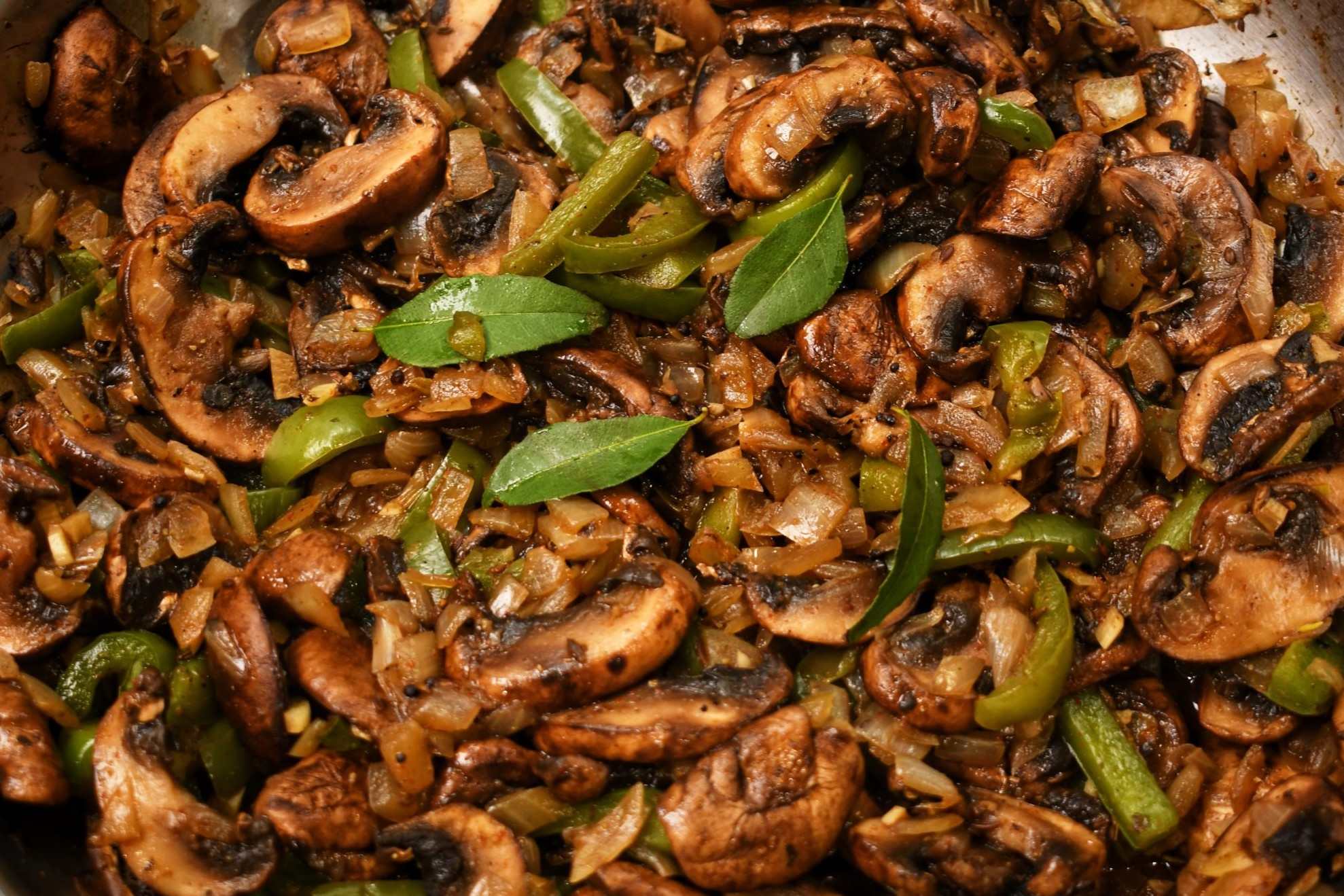
- Indian Mushroom Pepper Fry Recipe25 Minutes
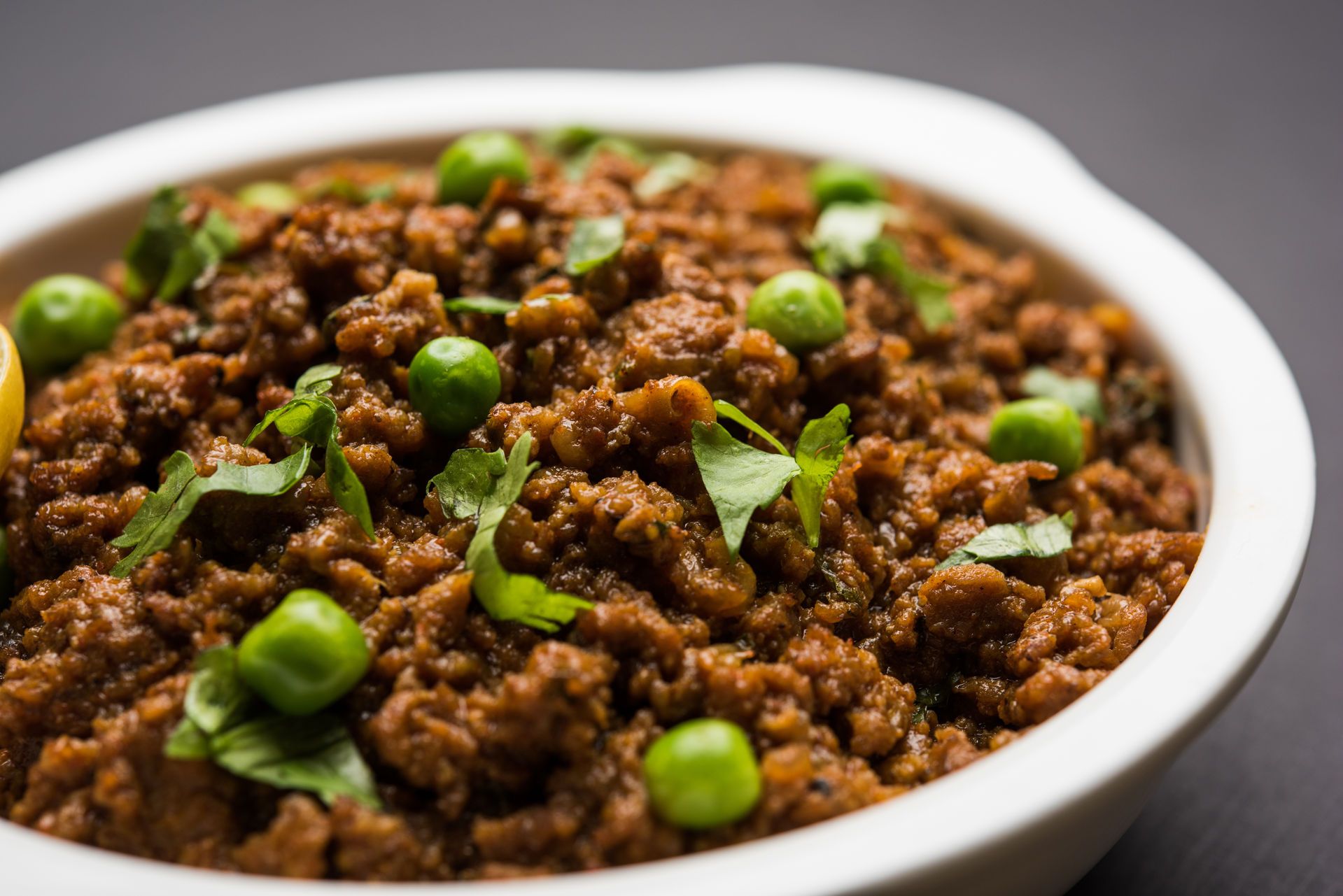
- Indian Soya Keema Recipe45 Minutes
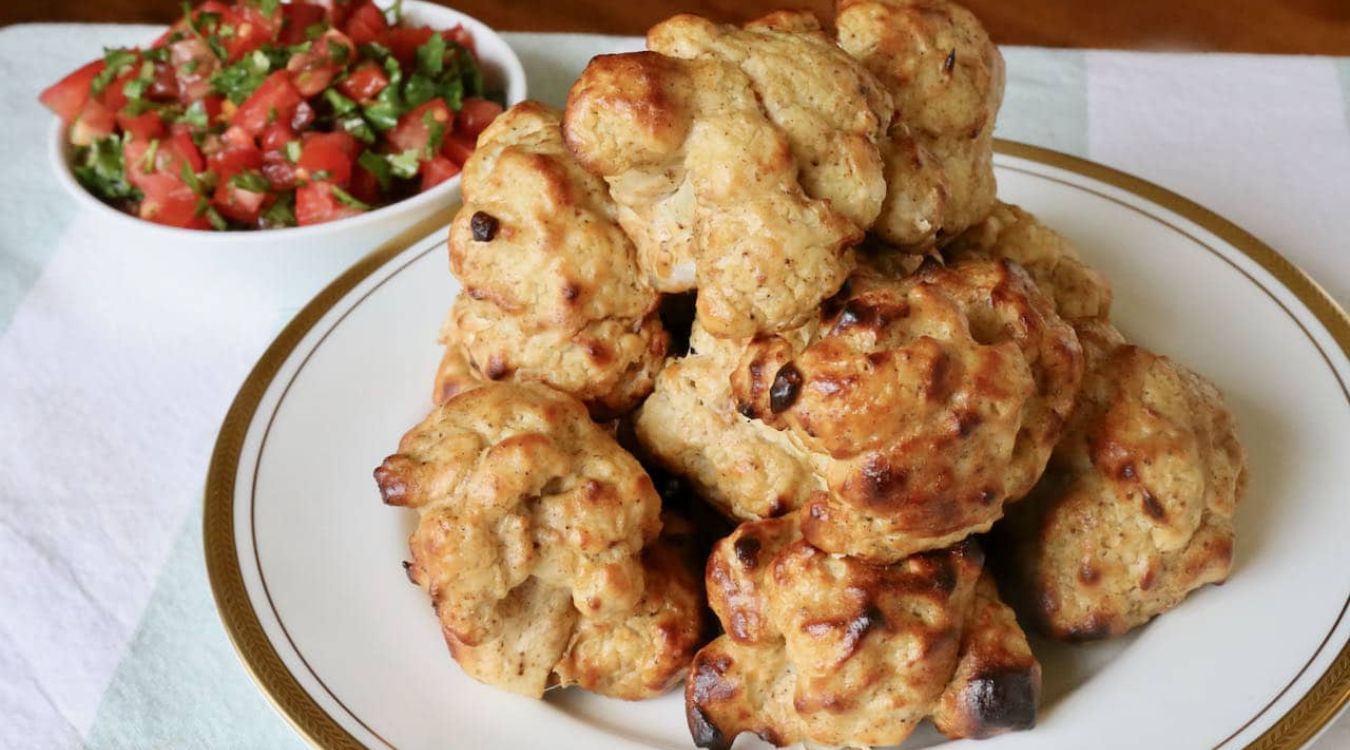
- Indian Tandoori Gobi Recipe40 Minutes
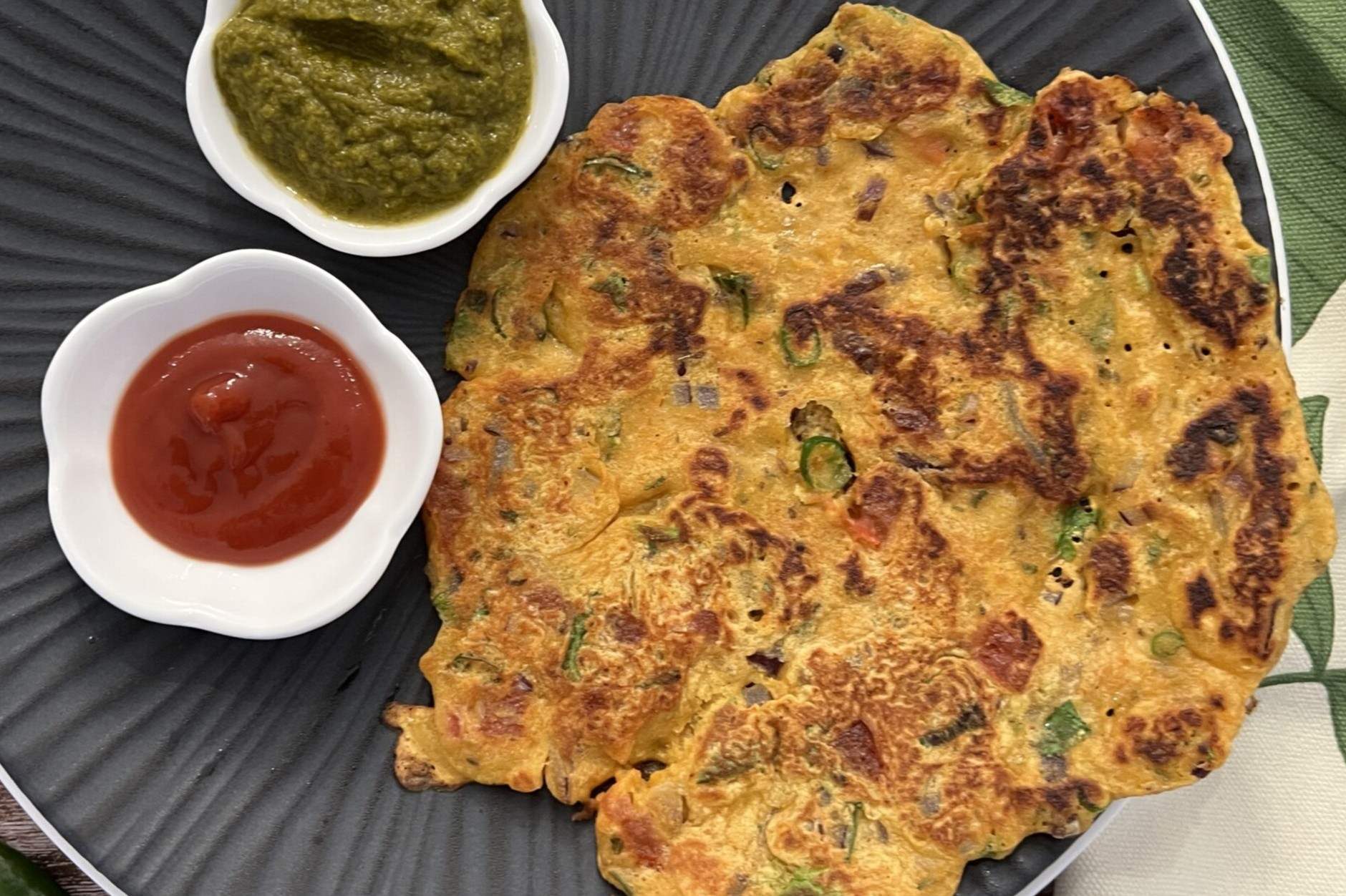
- Indian Besan Chilla Recipe30 Minutes
- West Indian Curried Chicken Recipe1 Hours
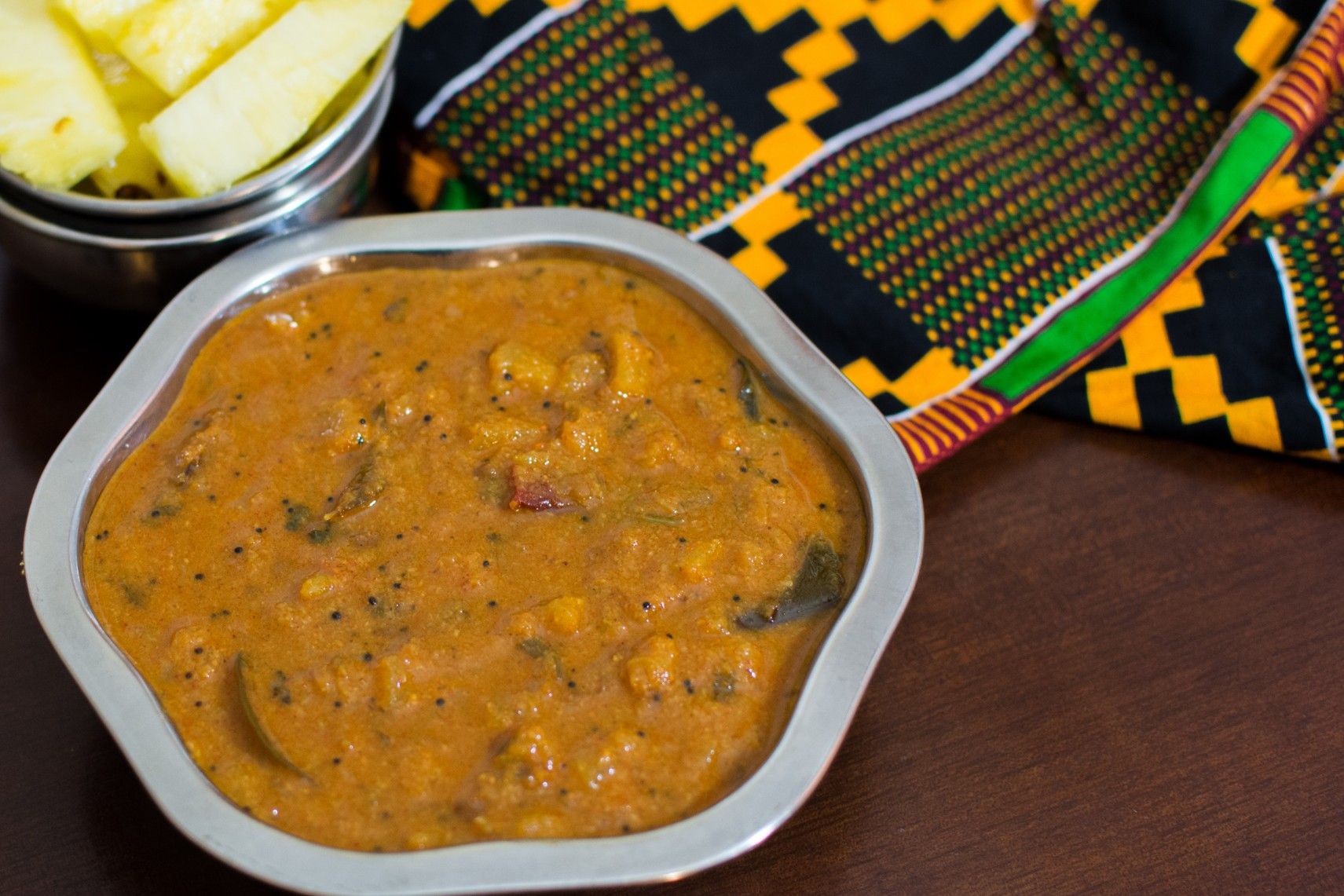
- Indian Pineapple Gojju Recipe35 Minutes


Leave a Reply