Dive into the vibrant flavors of South India with this delicious beetroot sambar. This dish combines the earthy sweetness of beetroot with the tangy and spicy notes of sambar, creating a comforting and nutritious meal. Perfectly paired with rice or idli, this sambar is sure to become a favorite in your household.
Some ingredients in this recipe might not be commonly found in every pantry. Toor dal (pigeon peas) is a staple in Indian cuisine but might require a trip to an Indian grocery store. Asafoetida (hing) is a pungent spice used in small quantities to add a unique flavor. Sambar powder is a spice blend specific to South Indian cooking and can be found in specialty stores or online.
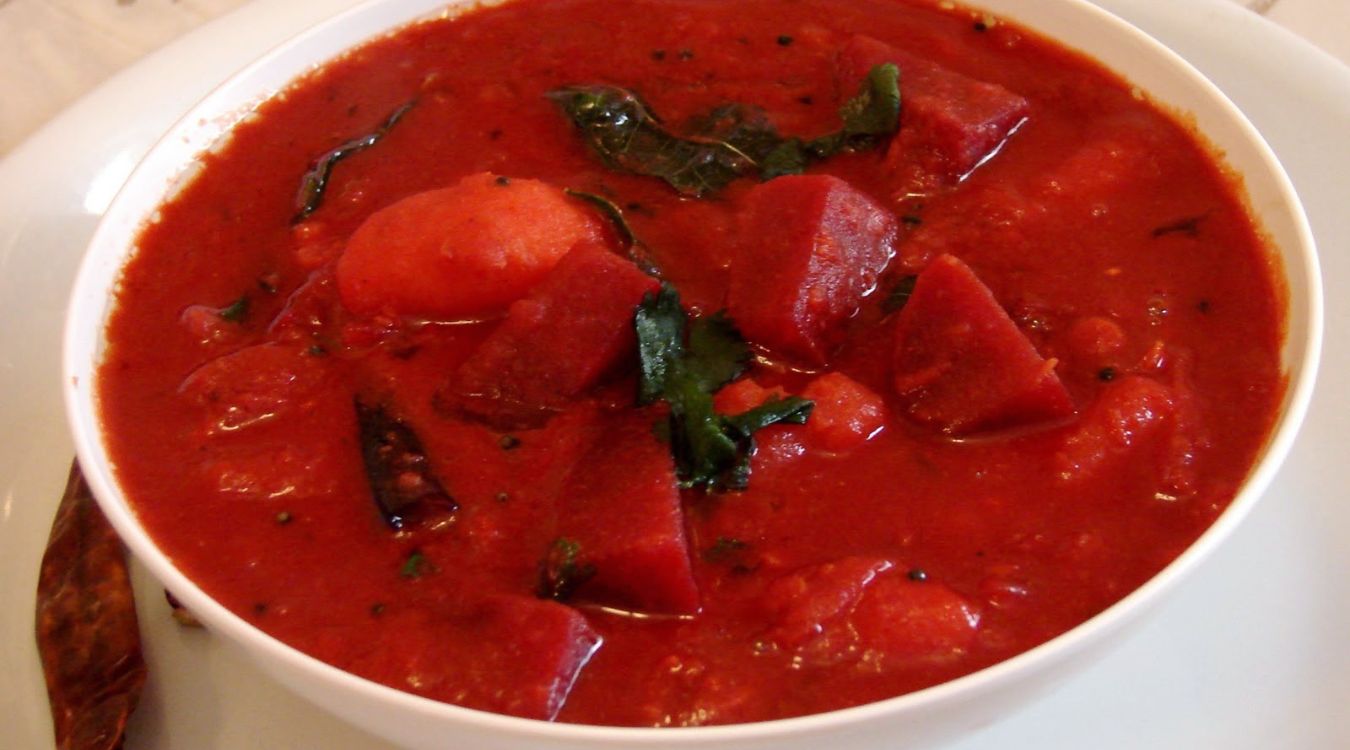
Ingredients For Indian Beetroot Sambar Recipe
Toor dal: A type of split pigeon peas, essential for the base of the sambar.
Beetroot: Adds a sweet, earthy flavor and vibrant color to the dish.
Onion: Provides a savory depth to the sambar.
Tomatoes: Adds tanginess and helps to thicken the sambar.
Water: Used to cook the dal and adjust the consistency of the sambar.
Turmeric powder: Adds a warm, earthy flavor and a golden color.
Sambar powder: A spice blend that gives the sambar its distinctive taste.
Salt: Enhances the flavors of the dish.
Oil: Used for tempering the spices.
Mustard seeds: Adds a nutty flavor and is used in the tempering process.
Cumin seeds: Adds a warm, earthy flavor and is used in the tempering process.
Asafoetida: A pungent spice that adds a unique flavor to the sambar.
Curry leaves: Adds a distinct aroma and flavor to the dish.
Technique Tip for This Recipe
When preparing toor dal, ensure you wash it thoroughly under running water until the water runs clear. This helps remove excess starch and any impurities. Pressure cooking the dal with turmeric powder not only enhances its flavor but also gives it a vibrant color. For the tadka (tempering), make sure the oil is hot enough before adding the mustard seeds and cumin seeds. Allow them to splutter fully to release their essential oils and flavors. When sautéing the onions, cook them until they are just translucent to avoid over-browning, which can alter the taste. Adding the sambar powder towards the end ensures that its aromatic spices remain potent and flavorful.
Suggested Side Dishes
Alternative Ingredients
toor dal - Substitute with masoor dal: Both are lentils and have a similar texture when cooked, though masoor dal cooks faster and has a slightly different flavor.
beetroot - Substitute with carrots: Carrots provide a similar sweetness and color to the dish, though the flavor will be slightly different.
onion - Substitute with shallots: Shallots have a milder and sweeter flavor compared to onions, making them a good substitute.
tomatoes - Substitute with canned tomatoes: Canned tomatoes can be used when fresh tomatoes are not available, providing a similar texture and flavor.
water - Substitute with vegetable broth: Vegetable broth adds more depth of flavor compared to plain water.
turmeric powder - Substitute with saffron: Saffron can provide a similar color and a unique flavor, though it is more expensive and should be used sparingly.
sambar powder - Substitute with curry powder: Curry powder can mimic the complex flavors of sambar powder, though the taste will be slightly different.
salt - Substitute with soy sauce: Soy sauce can add saltiness along with a bit of umami flavor.
oil - Substitute with ghee: Ghee adds a rich, buttery flavor to the dish, enhancing its taste.
mustard seeds - Substitute with nigella seeds: Nigella seeds provide a similar texture and a slightly different but complementary flavor.
cumin seeds - Substitute with caraway seeds: Caraway seeds have a similar earthy flavor, though they are slightly more pungent.
asafoetida - Substitute with garlic powder: Garlic powder can provide a similar pungent flavor, though it lacks the unique aroma of asafoetida.
curry leaves - Substitute with bay leaves: Bay leaves can add a different but complementary flavor to the dish, though they lack the distinct taste of curry leaves.
Other Alternative Recipes Similar to This Dish
How to Store or Freeze This Dish
- Allow the sambar to cool completely before storing. This prevents condensation, which can lead to spoilage.
- Transfer the sambar into airtight containers. Glass or BPA-free plastic containers work best to maintain freshness.
- For short-term storage, place the containers in the refrigerator. The sambar will stay fresh for up to 3-4 days.
- For long-term storage, consider freezing the sambar. Use freezer-safe containers or heavy-duty freezer bags to prevent freezer burn.
- Label the containers with the date of preparation. This helps in keeping track of how long the sambar has been stored.
- When ready to use, thaw the sambar in the refrigerator overnight if frozen. This ensures even thawing and maintains the texture.
- Reheat the sambar on the stovetop over medium heat. Stir occasionally to ensure even heating and to prevent sticking.
- If the sambar appears too thick after reheating, add a little water to achieve the desired consistency.
- Taste and adjust the seasoning if necessary, as freezing can sometimes dull the flavors.
- Serve the reheated sambar hot with rice or idli, just like freshly prepared.
How to Reheat Leftovers
For stovetop reheating, pour the leftover sambar into a saucepan. Add a splash of water if it has thickened too much. Heat on medium flame, stirring occasionally until it reaches the desired temperature. This method helps retain the flavors and texture of the sambar.
If using a microwave, transfer the sambar to a microwave-safe bowl. Cover it with a microwave-safe lid or plastic wrap, leaving a small vent for steam to escape. Heat on high for 2-3 minutes, stirring halfway through to ensure even heating. Adjust the time based on the quantity.
For a quick reheat, use a pressure cooker. Place the sambar in a heatproof container that fits inside the cooker. Add a small amount of water to the base of the cooker and place the container on a trivet. Close the lid and heat on medium flame for about 5 minutes without the whistle. This method is efficient and retains the aroma.
To reheat using a double boiler, fill the bottom pot with water and bring it to a simmer. Place the sambar in the top pot and stir occasionally until it is heated through. This gentle method prevents the sambar from sticking or burning.
For those with an instant pot, use the sauté function. Add the sambar directly into the pot, set to sauté on low, and stir occasionally until it is hot. This method is quick and maintains the integrity of the ingredients.
Best Tools for This Recipe
Pressure cooker: Used to cook the toor dal quickly and efficiently until it becomes soft.
Pan: Utilized for sautéing the onions, tomatoes, and beetroot, and for simmering the sambar.
Spatula: Handy for stirring the ingredients while cooking to ensure even cooking and prevent sticking.
Knife: Essential for chopping the beetroot, onions, and tomatoes.
Cutting board: Provides a safe and stable surface for chopping vegetables.
Measuring cups: Used to measure the toor dal and water accurately.
Measuring spoons: Necessary for measuring the turmeric powder, sambar powder, mustard seeds, cumin seeds, and salt.
Serving spoon: Useful for serving the hot sambar with rice or idli.
Bowl: Used to hold the cooked dal before adding it to the pan with the other ingredients.
How to Save Time on Making This Dish
Pre-cook the beetroot: Boil or steam the beetroot in advance to reduce cooking time during the preparation of sambar.
Use a pressure cooker: Cook the toor dal and beetroot together in a pressure cooker to save time.
Prep ingredients ahead: Chop the onions, tomatoes, and beetroot the night before to streamline the cooking process.
Batch cook: Make a larger quantity of sambar and freeze portions for quick meals later.
Instant sambar powder: Use store-bought sambar powder to save time on grinding spices.
Indian Beetroot Sambar Recipe
Ingredients
Main Ingredients
- 1 cup Toor Dal (Pigeon Peas)
- 1 medium Beetroot peeled and chopped
- 1 medium Onion chopped
- 2 medium Tomatoes chopped
- 2 cups Water
- 1 teaspoon Turmeric Powder
- 1 teaspoon Sambar Powder
- to taste Salt
Tempering
- 1 tablespoon Oil
- 1 teaspoon Mustard Seeds
- 1 teaspoon Cumin Seeds
- 1 pinch Asafoetida (Hing)
- 1 sprig Curry Leaves
Instructions
- 1. Wash the toor dal and pressure cook it with 2 cups of water and turmeric powder until soft.
- 2. In a pan, heat oil and add mustard seeds, cumin seeds, and asafoetida. Let them splutter.
- 3. Add chopped onions and sauté until they turn translucent.
- 4. Add chopped tomatoes and cook until they turn mushy.
- 5. Add chopped beetroot and cook for a few minutes.
- 6. Add the cooked dal, sambar powder, salt, and water. Let it simmer for 10-15 minutes.
- 7. Add curry leaves and let it cook for another 2 minutes.
- 8. Serve hot with rice or idli.
Nutritional Value
Keywords
Suggested Appetizers and Desserts for This Recipe
More Amazing Recipes to Try 🙂
- Greekhouse Dressing Recipe10 Minutes
- Spicy Indian Chicken and Mango Curry Recipe1 Hours
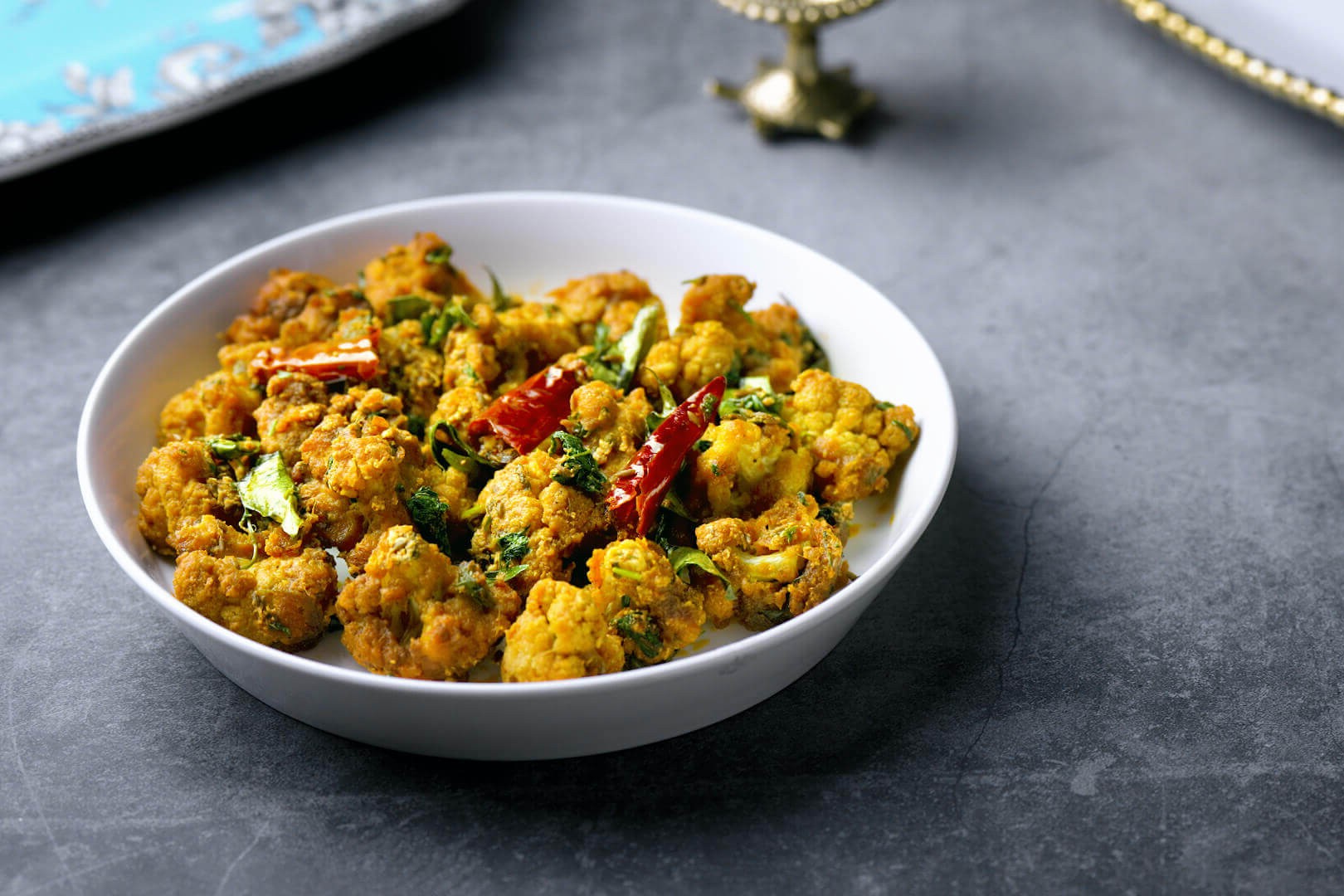
- Indian Gobi 65 Recipe35 Minutes
- Indian Chilli Gobi Recipe40 Minutes
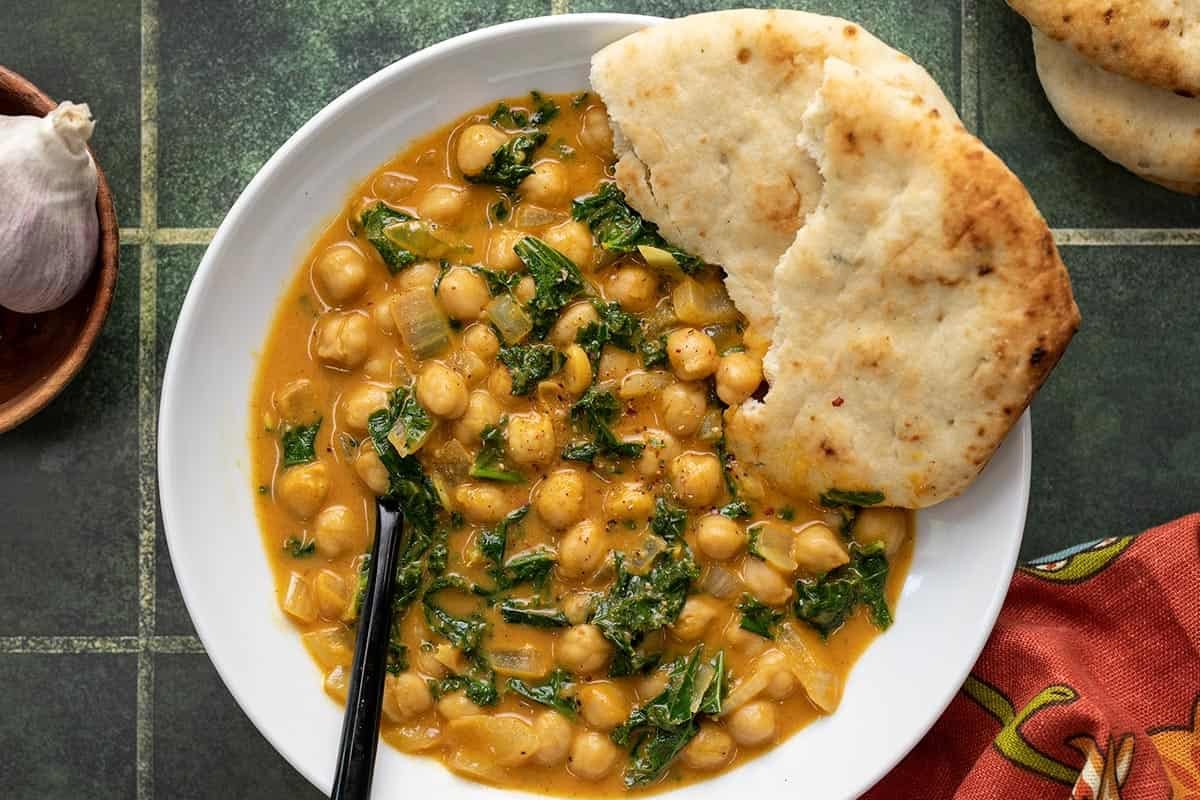
- Indian Coconut Chickpea Curry Recipe45 Minutes
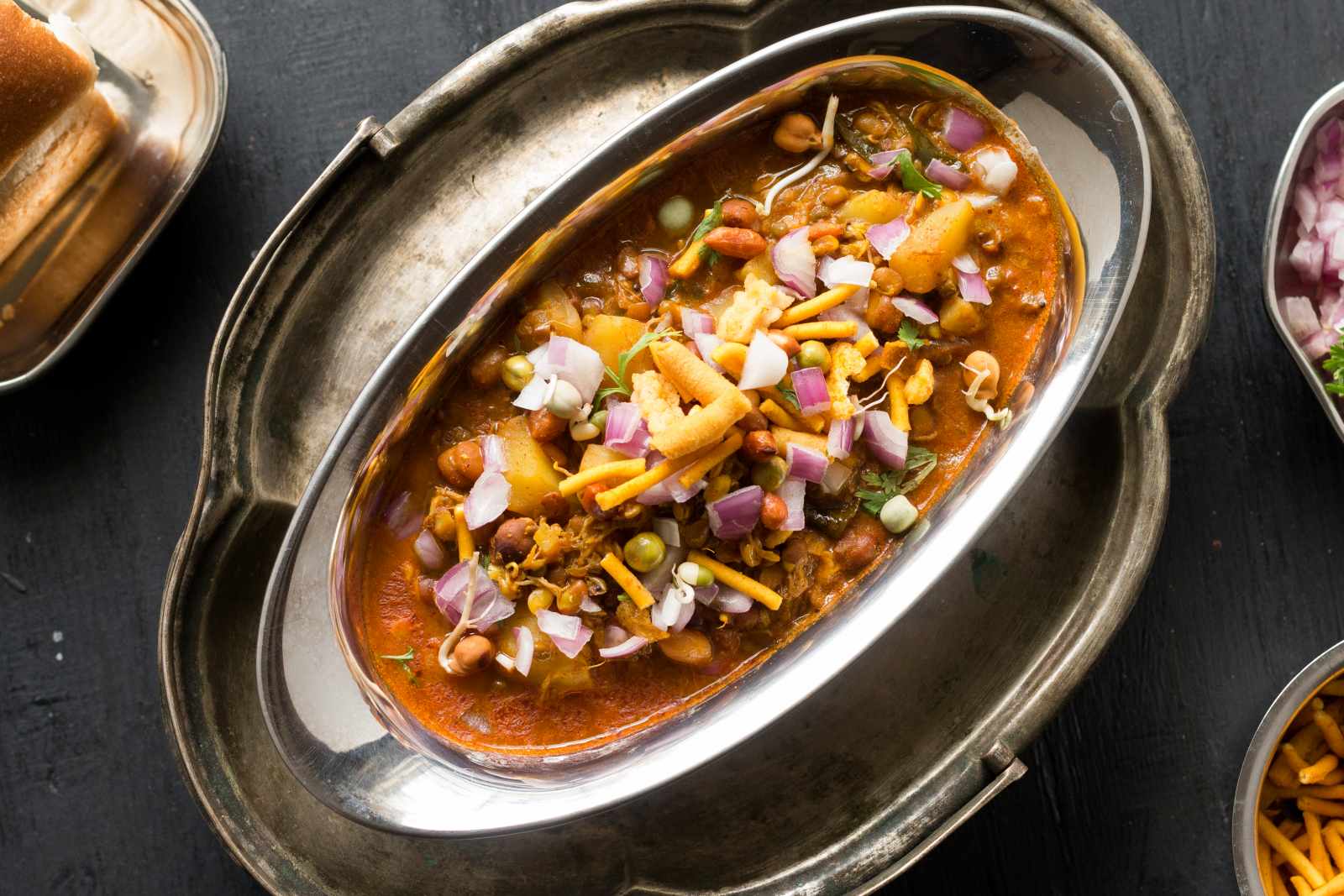
- Indian Misal Pav Recipe1 Hours
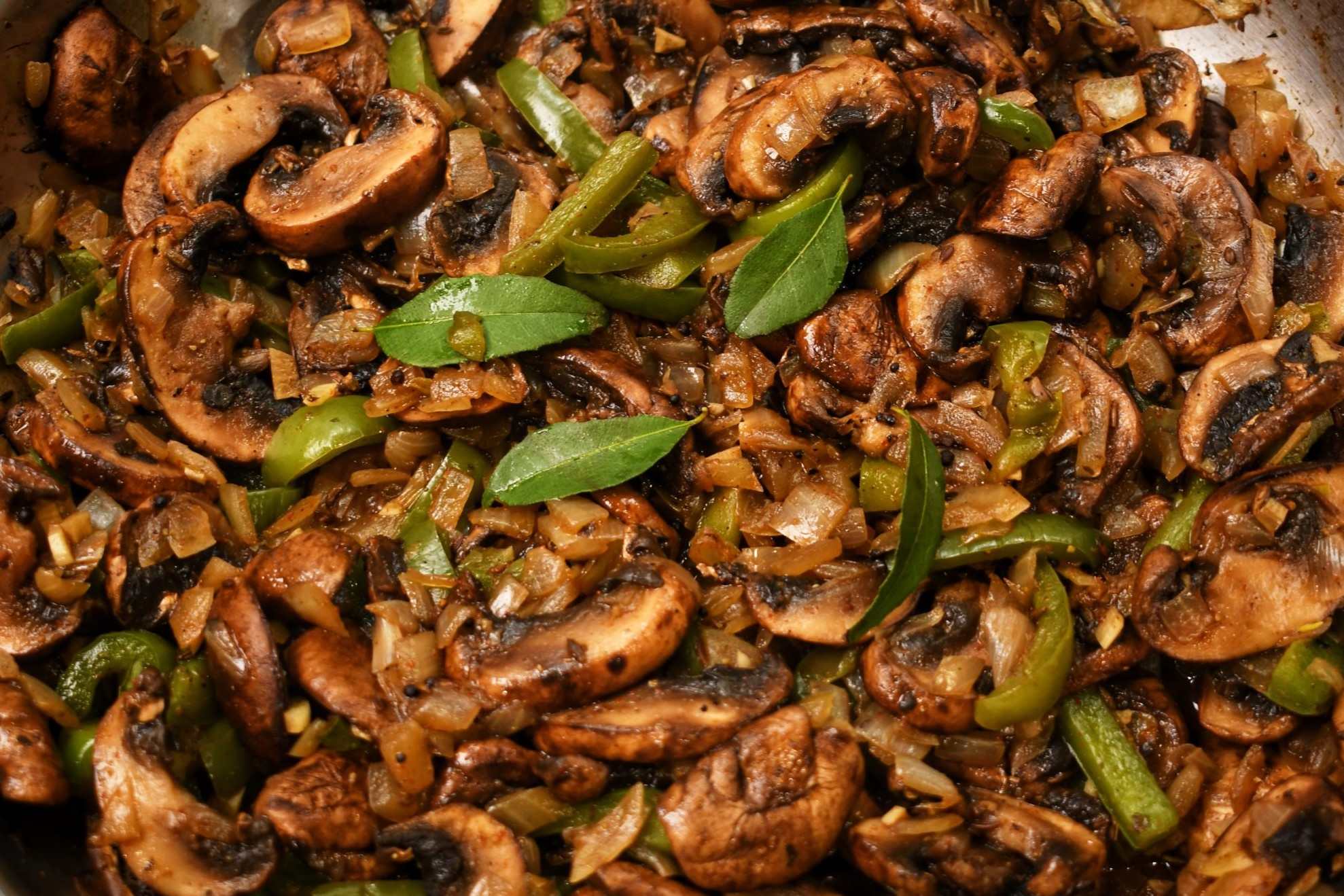
- Indian Mushroom Pepper Fry Recipe25 Minutes
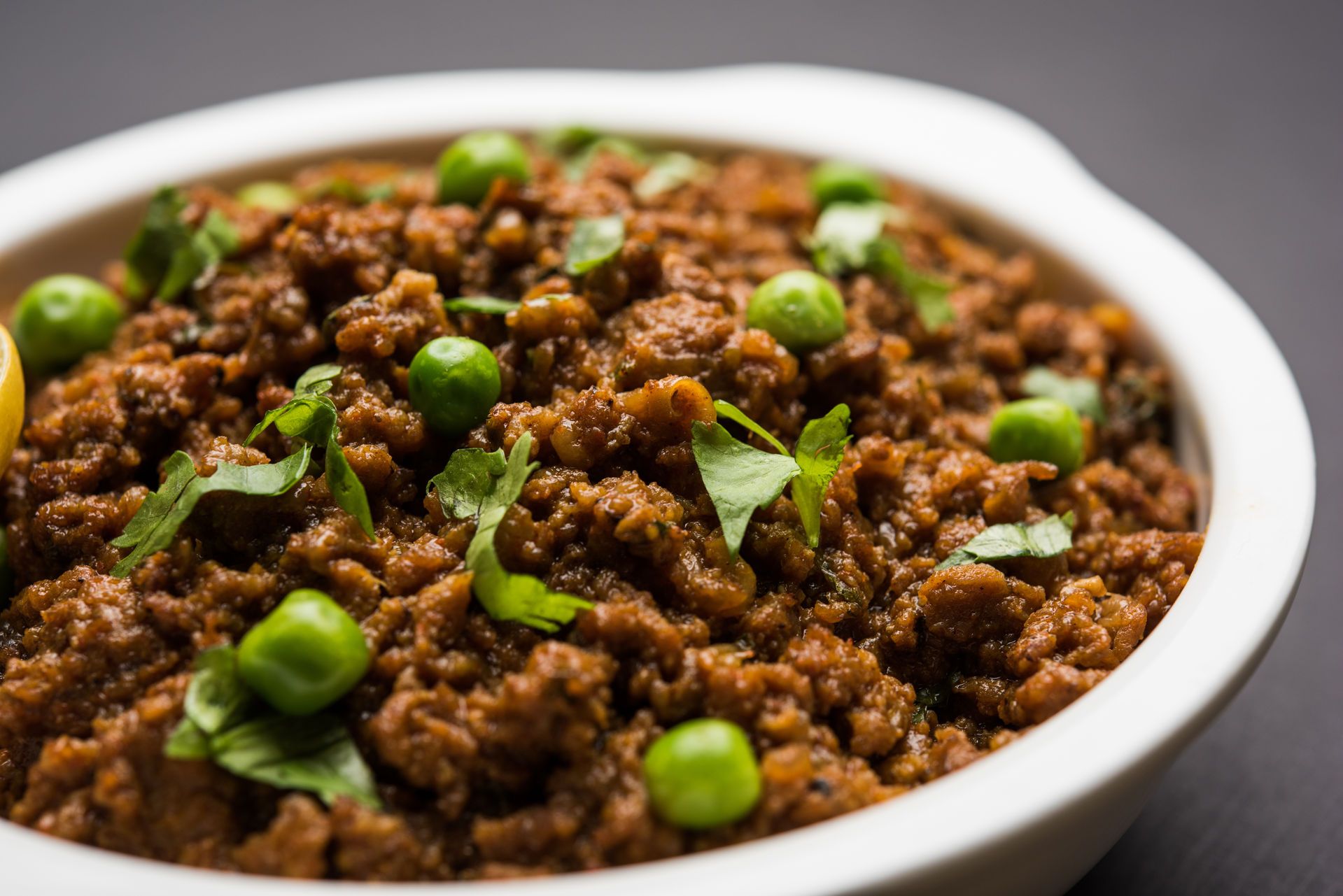
- Indian Soya Keema Recipe45 Minutes




Leave a Reply