
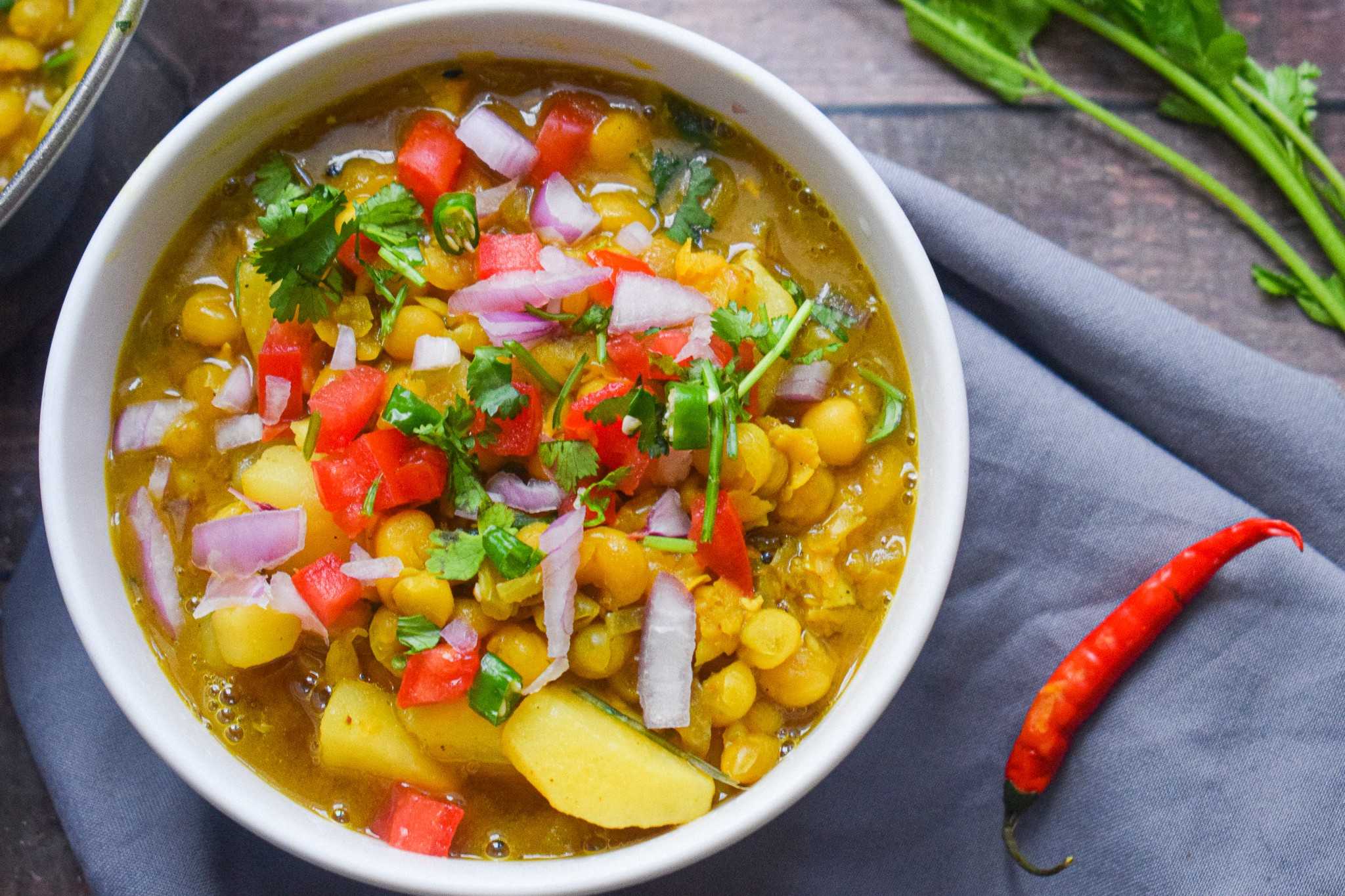
This delightful Indian Mixed Vegetable Curry is a vibrant and flavorful dish that brings together a medley of fresh vegetables, aromatic spices, and rich flavors. Perfect for a wholesome meal, this curry pairs wonderfully with rice or bread, making it a versatile addition to your culinary repertoire.
Some ingredients in this recipe might not be staples in every household. Garam masala is a spice blend that adds depth and warmth to the curry, and cumin seeds provide a nutty, earthy flavor. If these are not in your pantry, you can easily find them in the spice section of most supermarkets.
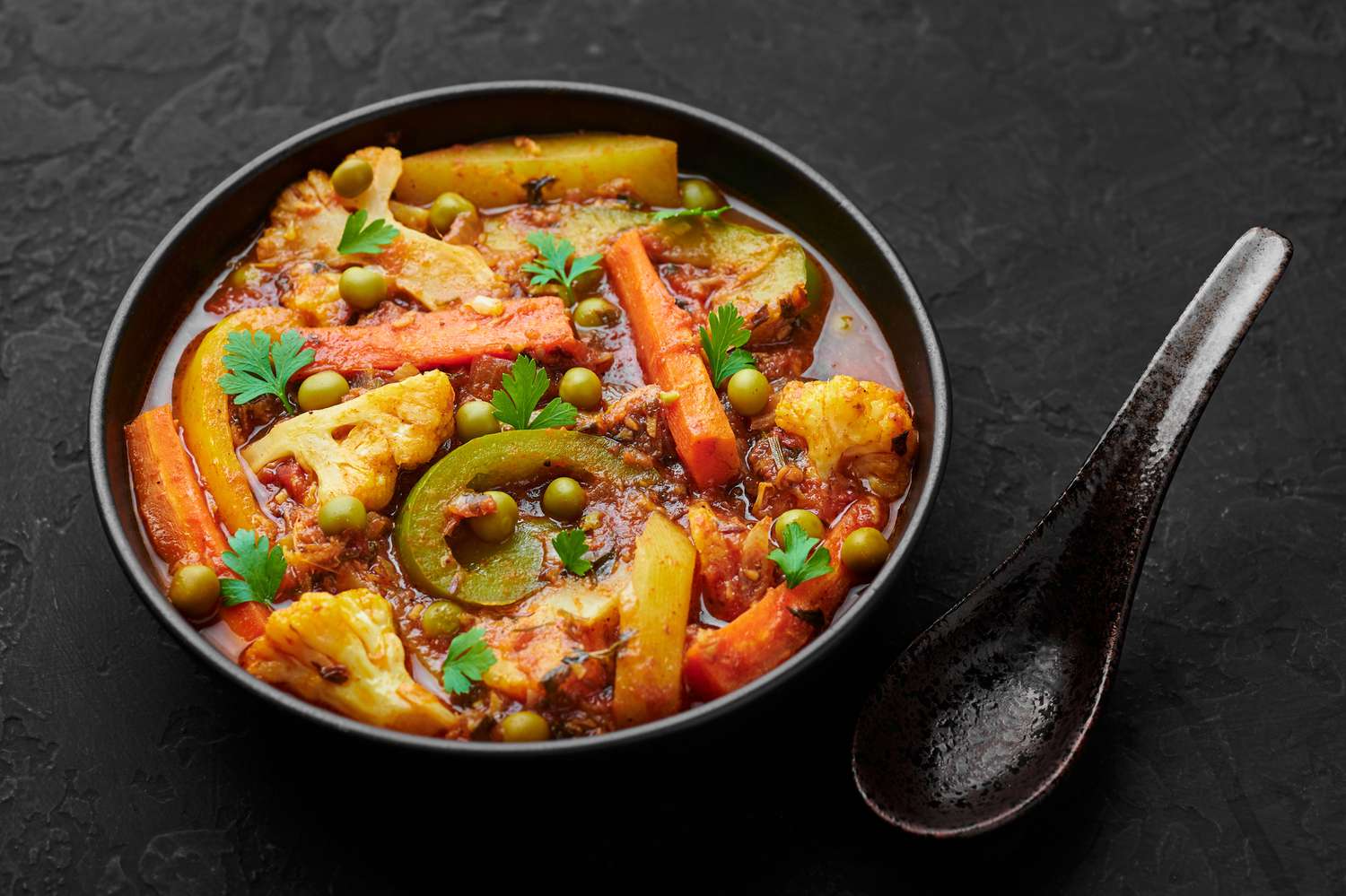
Ingredients For Indian Mixed Vegetable Curry Recipe
Oil: Used for sautéing the spices and vegetables, providing a base for the curry.
Onions: Adds sweetness and depth to the curry when sautéed until golden brown.
Tomatoes: Provides acidity and a rich, tangy flavor to the curry.
Carrots: Adds a slight sweetness and a firm texture to the dish.
Potatoes: Offers a hearty and filling component to the curry.
Green beans: Adds a crisp texture and a fresh flavor.
Peas: Contributes a pop of sweetness and color.
Cumin seeds: Imparts a warm, earthy flavor when spluttered in hot oil.
Turmeric powder: Adds a vibrant yellow color and a subtle earthy taste.
Coriander powder: Provides a citrusy and slightly sweet flavor.
Garam masala: A blend of spices that adds complexity and warmth to the curry.
Salt: Enhances the overall flavor of the dish.
Water: Used to cook the vegetables and create the curry sauce.
Technique Tip for This Recipe
When sautéing the onions, ensure they turn a deep golden brown to develop a rich, caramelized flavor. This step is crucial as it forms the base of the curry, adding depth and sweetness. Additionally, when adding tomatoes, cook them until they break down completely and release their juices, creating a thick, flavorful sauce. This helps in blending the spices well and enhances the overall taste of the curry.
Suggested Side Dishes
Alternative Ingredients
oil - Substitute with ghee: Ghee adds a rich, buttery flavor that enhances the depth of the curry.
chopped onions - Substitute with shallots: Shallots provide a milder, slightly sweeter taste compared to onions.
chopped tomatoes - Substitute with tomato puree: Tomato puree offers a smoother texture and more concentrated flavor.
chopped carrots - Substitute with sweet potatoes: Sweet potatoes add a natural sweetness and similar texture to the curry.
chopped potatoes - Substitute with cauliflower florets: Cauliflower provides a low-carb alternative with a similar bite.
chopped green beans - Substitute with asparagus: Asparagus offers a similar crunch and a slightly different but complementary flavor.
peas - Substitute with edamame: Edamame provides a similar texture and a slight nutty flavor.
cumin seeds - Substitute with caraway seeds: Caraway seeds have a similar earthy flavor with a hint of sweetness.
turmeric powder - Substitute with saffron: Saffron adds a unique flavor and a similar golden color to the dish.
coriander powder - Substitute with ground cumin: Ground cumin offers a warm, earthy flavor that complements the other spices.
garam masala - Substitute with curry powder: Curry powder provides a similar blend of spices, though the flavor profile may vary slightly.
salt - Substitute with soy sauce: Soy sauce adds a salty umami flavor and enhances the overall taste of the curry.
water - Substitute with vegetable broth: Vegetable broth adds more depth and flavor to the curry compared to plain water.
Other Alternative Recipes Similar to This Dish
How to Store / Freeze This Dish
Allow the Indian Mixed Vegetable Curry to cool completely before storing. This helps prevent condensation, which can lead to soggy vegetables and spoilage.
Transfer the cooled curry into airtight containers. Using containers with tight-fitting lids ensures that the curry retains its flavors and prevents any external odors from seeping in.
Label the containers with the date of preparation. This helps you keep track of how long the curry has been stored and ensures you consume it while it's still fresh.
Store the containers in the refrigerator if you plan to consume the curry within 3-4 days. The cool temperature will keep the vegetables fresh and the flavors intact.
For longer storage, place the airtight containers in the freezer. The Indian Mixed Vegetable Curry can be frozen for up to 2-3 months without significant loss of flavor or texture.
When ready to reheat, thaw the curry in the refrigerator overnight if frozen. This gradual thawing process helps maintain the integrity of the vegetables.
Reheat the curry on the stovetop over medium heat, stirring occasionally to ensure even heating. You may need to add a splash of water to adjust the consistency if it has thickened during storage.
Alternatively, you can reheat the curry in the microwave. Transfer the desired amount to a microwave-safe dish, cover it loosely, and heat in 1-2 minute intervals, stirring in between, until thoroughly heated.
If you notice any changes in color, texture, or smell, it's best to discard the curry. Freshness and safety are paramount when dealing with stored food.
Enjoy your reheated Indian Mixed Vegetable Curry with freshly cooked rice or bread, just as you would with a freshly made batch.
How to Reheat Leftovers
Stovetop Method: Place the leftover Indian mixed vegetable curry in a saucepan or pot. Add a splash of water or vegetable broth to prevent it from drying out. Heat over medium-low heat, stirring occasionally, until it is heated through. This method helps retain the texture of the vegetables and the richness of the spices.
Microwave Method: Transfer the curry to a microwave-safe dish. Cover with a microwave-safe lid or plastic wrap with a few holes poked in it to allow steam to escape. Heat on medium power for 2-3 minutes, stirring halfway through. Continue heating in 1-minute intervals until it is thoroughly warmed. Be cautious not to overheat, as it may cause the vegetables to become mushy.
Oven Method: Preheat your oven to 350°F (175°C). Place the leftover curry in an oven-safe dish and cover it with aluminum foil. Bake for about 20-25 minutes or until it is heated through. This method is great for reheating larger quantities and ensures even heating.
Slow Cooker Method: If you have a bit more time, transfer the curry to a slow cooker. Set it on low heat and let it warm for 1-2 hours. This method is ideal for maintaining the integrity of the vegetables and allowing the spices to meld even further.
Steaming Method: Place the leftover curry in a heatproof bowl and set it in a steamer basket over boiling water. Cover and steam for about 10-15 minutes until it is heated through. This gentle method helps preserve the texture and flavor of the vegetables.
Sous Vide Method: For a more advanced technique, place the curry in a vacuum-sealed bag or a ziplock bag using the water displacement method. Submerge the bag in a sous vide water bath set to 165°F (74°C) and heat for about 30-45 minutes. This method ensures precise temperature control and even heating.
Best Tools for This Recipe
Large pot: Used to cook the curry and simmer the vegetables until they are tender.
Wooden spoon: Ideal for stirring the ingredients without scratching the pot.
Knife: Essential for chopping onions, tomatoes, carrots, potatoes, and green beans.
Cutting board: Provides a safe surface for chopping all the vegetables.
Measuring spoons: Used to measure out the spices like cumin seeds, turmeric powder, coriander powder, garam masala, and salt.
Measuring cup: Useful for measuring the water and ensuring the correct amount is added.
Spatula: Handy for scraping down the sides of the pot and ensuring all ingredients are well mixed.
Serving spoon: Used to serve the curry once it is ready.
Lid: Helps to cover the pot while the curry simmers, ensuring even cooking of the vegetables.
How to Save Time on Making This Dish
Prep ingredients in advance: Chop all vegetables and onions ahead of time to save cooking time.
Use a food processor: Quickly chop onions and tomatoes using a food processor.
Pre-cook harder vegetables: Boil potatoes and carrots for a few minutes before adding them to the curry.
Use frozen vegetables: Substitute fresh peas and green beans with frozen ones to cut down on prep time.
Make a spice mix: Combine turmeric powder, coriander powder, and garam masala in advance.
Cook in a pressure cooker: Use a pressure cooker to reduce the cooking time for the vegetables.
Indian Mixed Vegetable Curry
Ingredients
Main Ingredients
- 2 tablespoon Oil
- 1 cup Chopped Onions
- 1 cup Chopped Tomatoes
- 1 cup Chopped Carrots
- 1 cup Chopped Potatoes
- 1 cup Chopped Green Beans
- 1 cup Peas
- 1 teaspoon Cumin Seeds
- 1 teaspoon Turmeric Powder
- 1 teaspoon Coriander Powder
- 1 teaspoon Garam Masala
- 1 teaspoon Salt to taste
- 2 cups Water
Instructions
- Heat oil in a large pot over medium heat.
- Add cumin seeds and let them splutter.
- Add chopped onions and sauté until golden brown.
- Add chopped tomatoes and cook until they soften.
- Add turmeric powder, coriander powder, and mix well.
- Add all the chopped vegetables and mix well.
- Add water and salt. Bring to a boil.
- Reduce heat and let it simmer until vegetables are cooked.
- Sprinkle garam masala and mix well.
- Serve hot with rice or bread.
Nutritional Value
Keywords
Suggested Appetizers and Desserts for This Recipe
More Amazing Recipes to Try 🙂
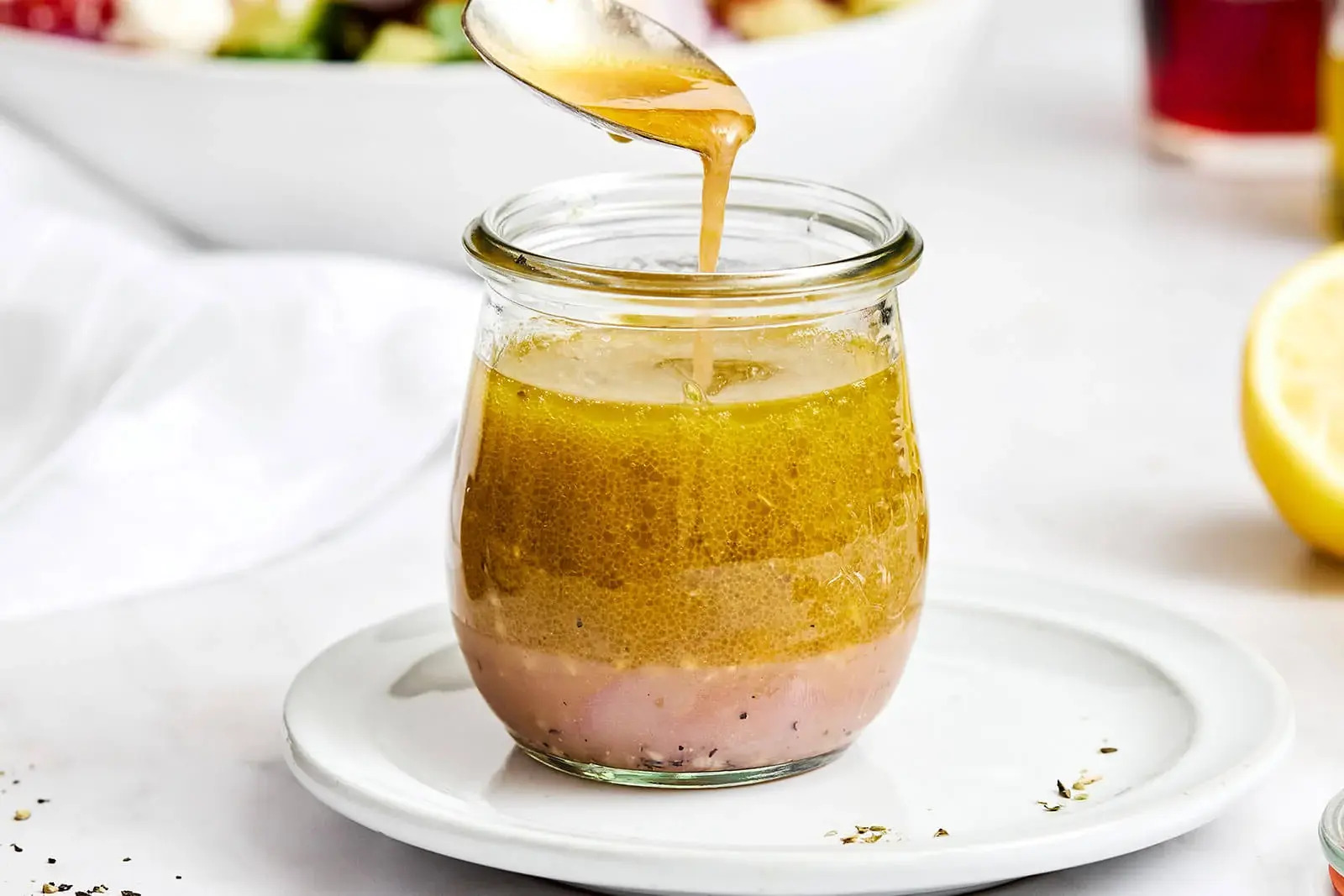
- Greekhouse Dressing Recipe10 Minutes
- Spicy Indian Chicken and Mango Curry Recipe1 Hours
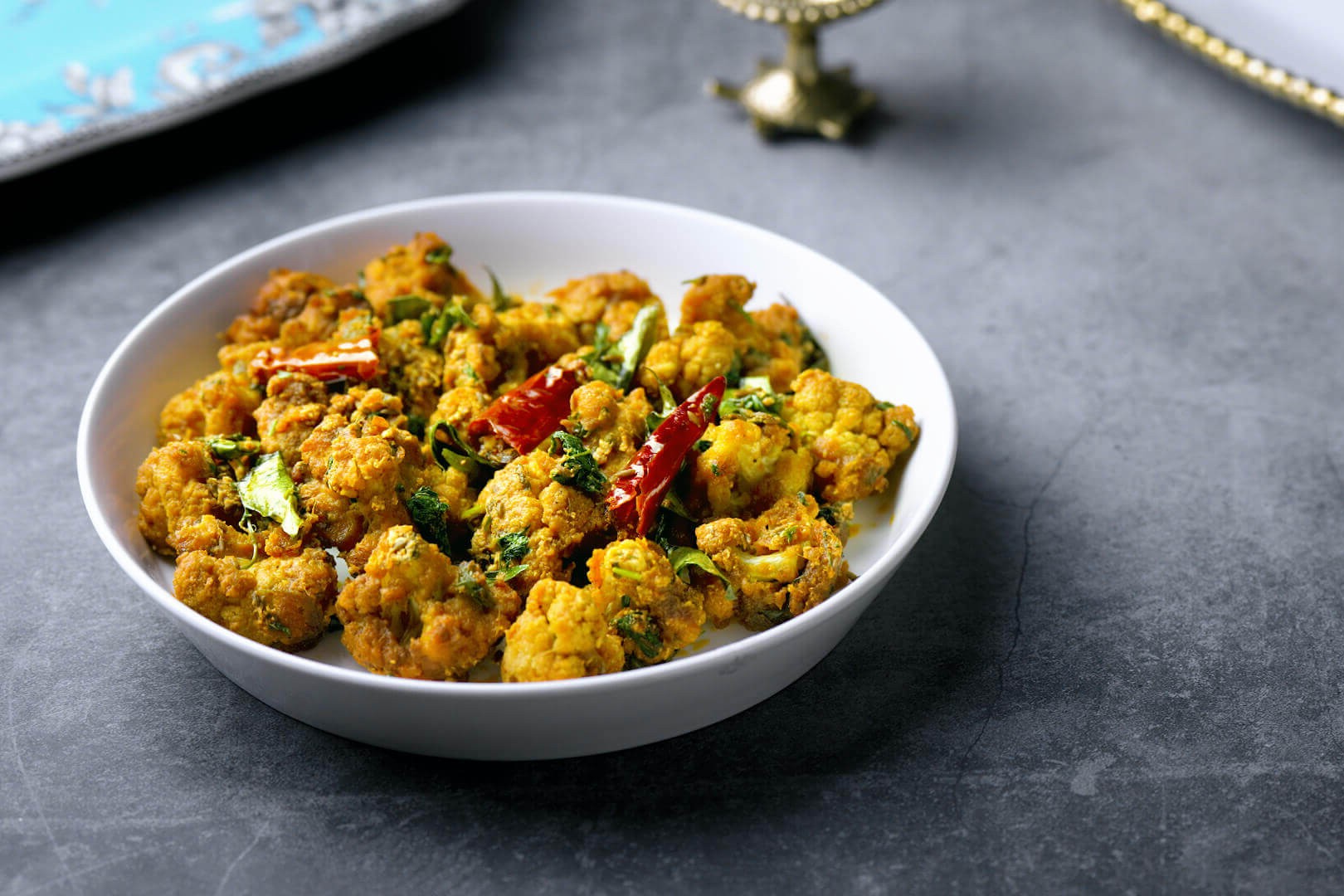
- Indian Gobi 65 Recipe35 Minutes
- Indian Chilli Gobi Recipe40 Minutes
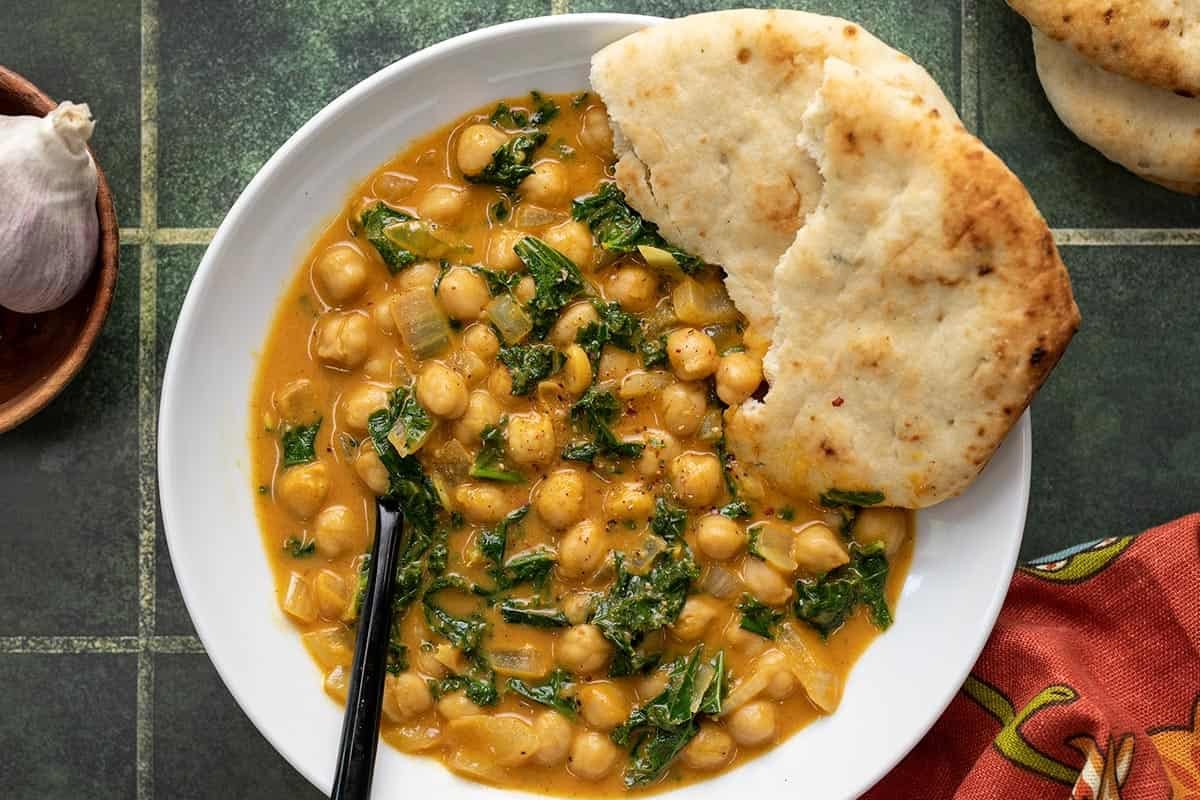
- Indian Coconut Chickpea Curry Recipe45 Minutes
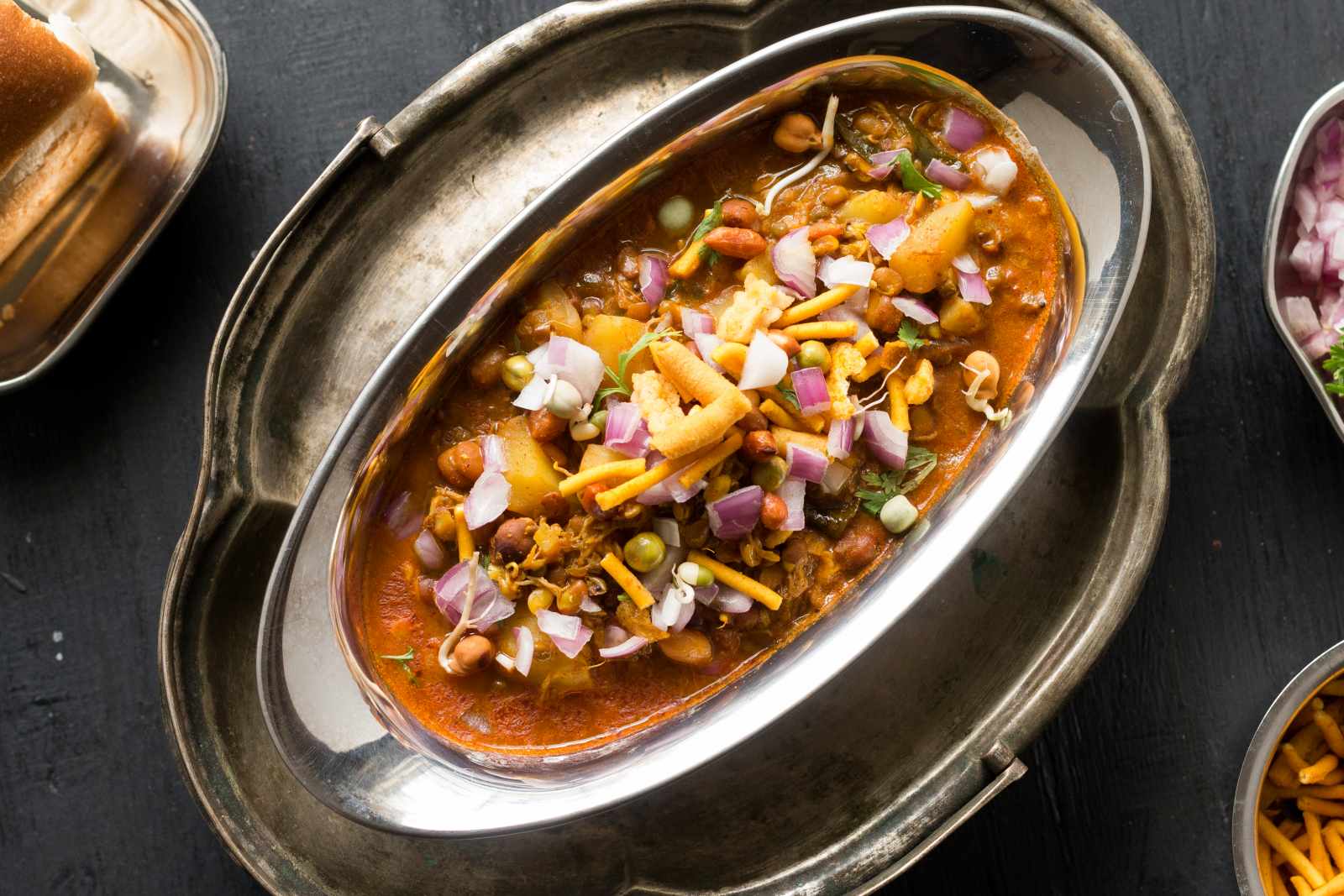
- Indian Misal Pav Recipe1 Hours
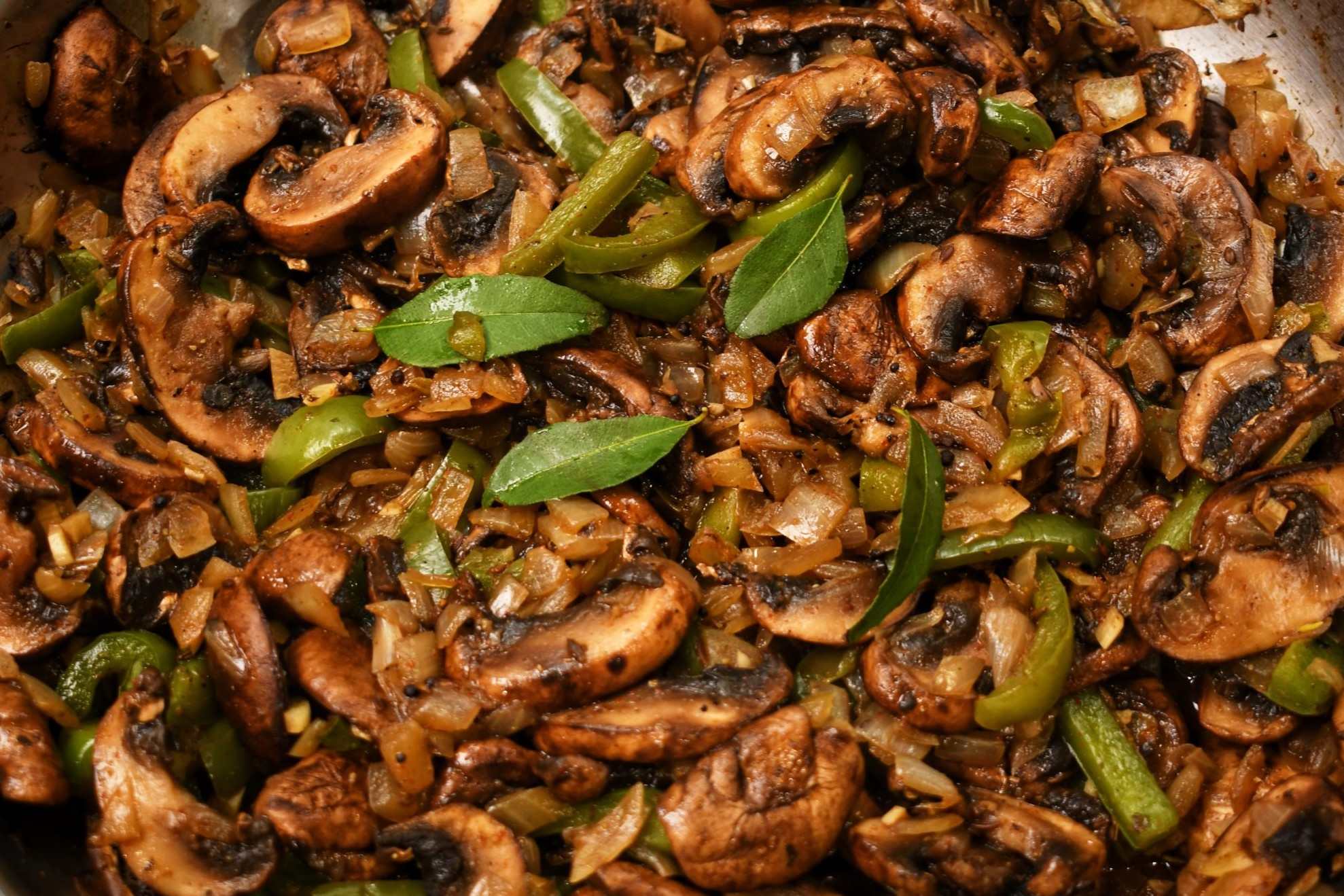
- Indian Mushroom Pepper Fry Recipe25 Minutes
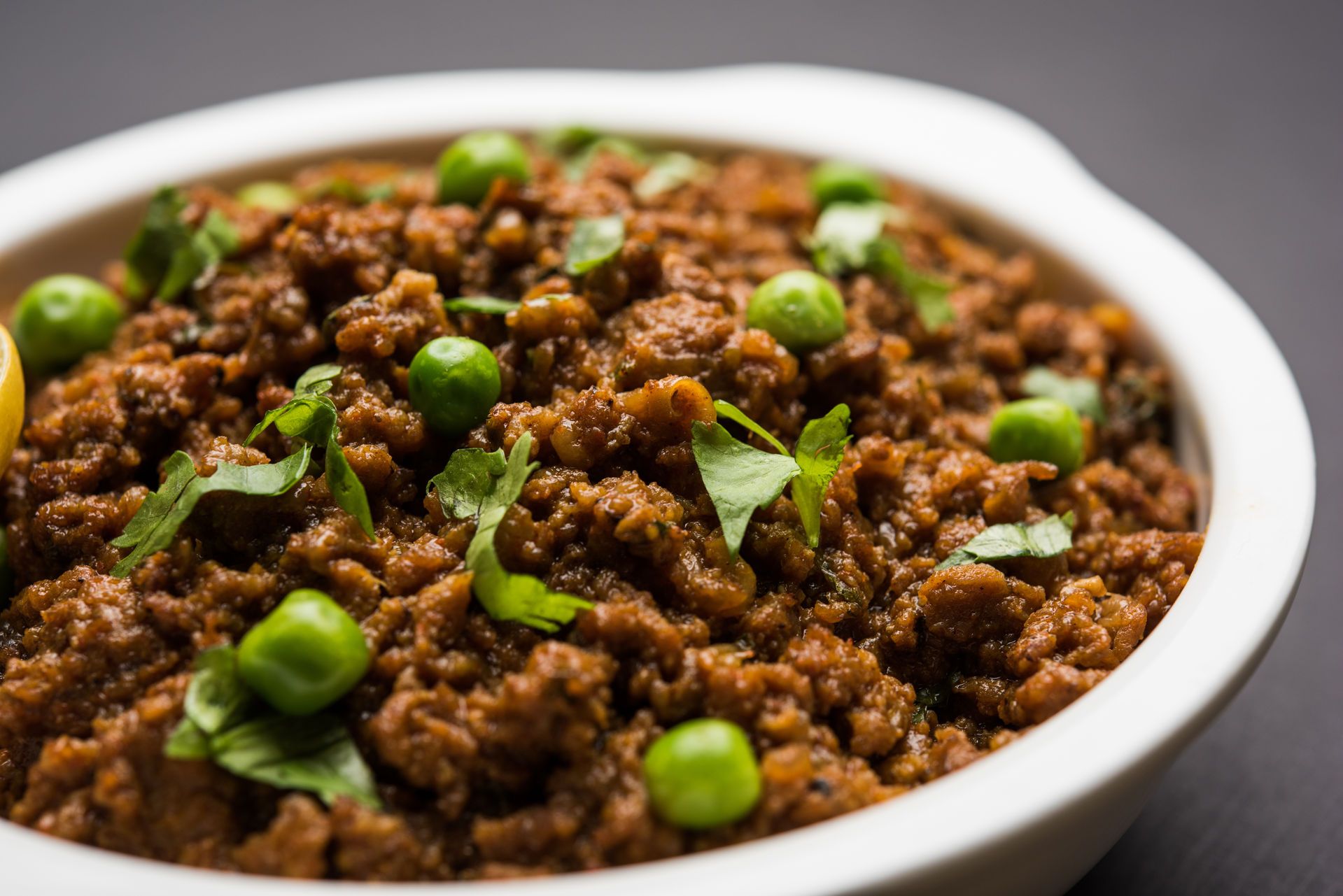
- Indian Soya Keema Recipe45 Minutes



Leave a Reply