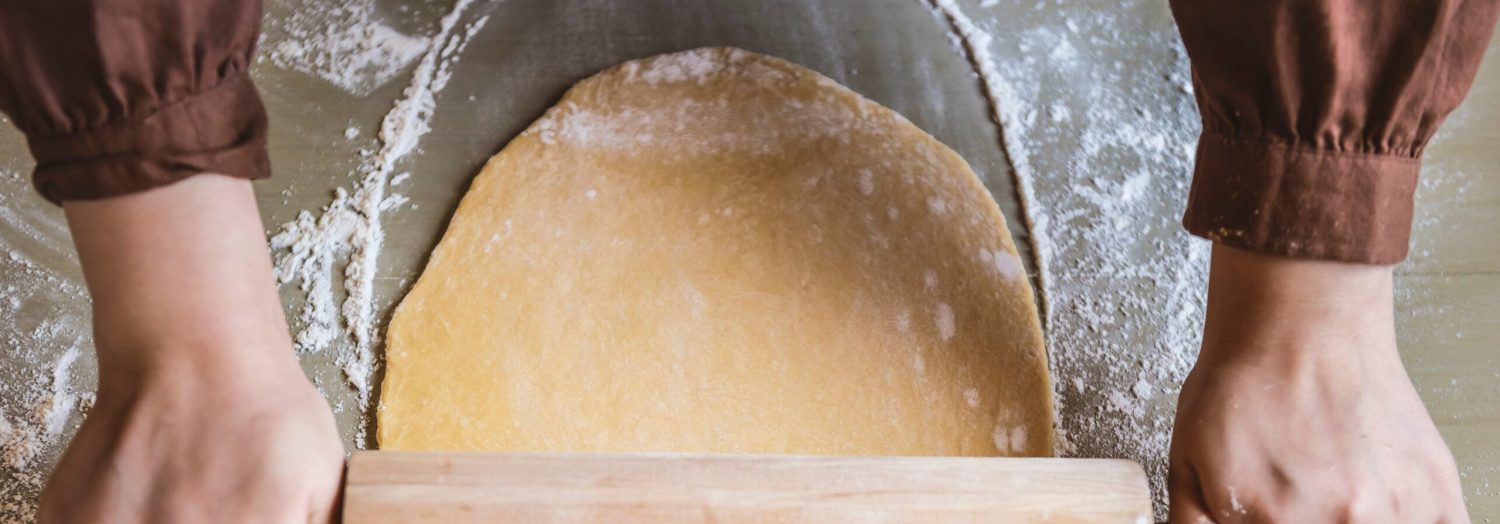
Millet dosa is a nutritious and delicious South Indian dish that offers a delightful twist on the traditional dosa. Made with millet, urad dal, and fenugreek seeds, this recipe is perfect for those looking to incorporate more wholesome grains into their diet. The fermentation process gives the dosa a unique tangy flavor and a light, crispy texture.
Millet, urad dal, and fenugreek seeds might not be staples in every household, but they are essential for this recipe. Millet is a versatile grain that is gluten-free and packed with nutrients. Urad dal, also known as black gram, is a type of lentil that provides a creamy texture to the batter. Fenugreek seeds add a subtle bitterness and aid in fermentation. These ingredients can be found in most Indian grocery stores or the international aisle of well-stocked supermarkets.
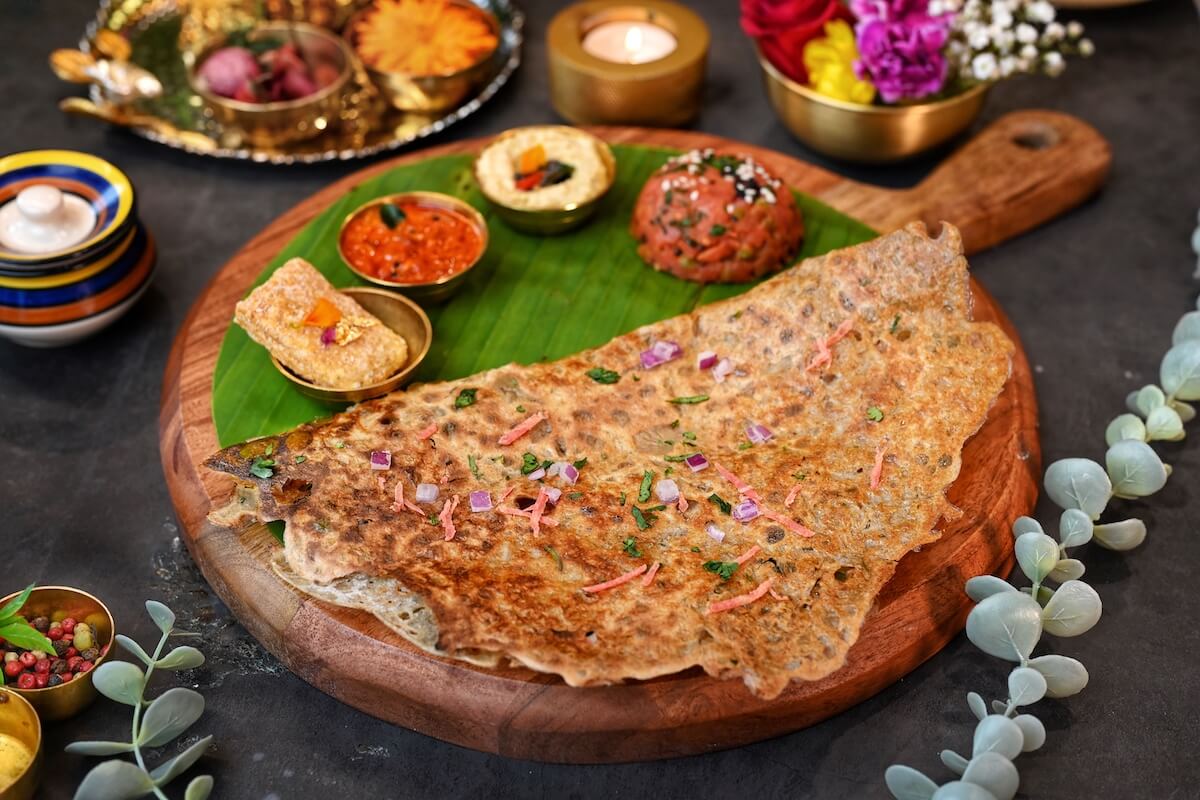
Ingredients For Indian Millet Dosa Recipe
Millet: A gluten-free grain that is rich in fiber and nutrients, providing a wholesome base for the dosa.
Urad dal: Also known as black gram, this lentil adds creaminess and helps in fermentation.
Fenugreek seeds: These seeds add a slight bitterness and enhance the fermentation process.
Salt: Enhances the flavor of the batter.
Water: Used for grinding the ingredients into a smooth batter.
Oil: Used for cooking the dosa to a golden brown perfection.
Technique Tip for This Recipe
When grinding the millet, urad dal, and fenugreek seeds, ensure you use cold water. This helps in maintaining the batter's temperature, preventing it from overheating and affecting the fermentation process. Additionally, using cold water can help achieve a smoother batter consistency, which is crucial for making thin and crispy dosa.
Suggested Side Dishes
Alternative Ingredients
millet - Substitute with quinoa: Quinoa has a similar texture and nutritional profile, making it a good alternative for dosa batter.
urad dal - Substitute with moong dal: Moong dal can provide a similar creamy texture and protein content, suitable for dosa batter.
fenugreek seeds - Substitute with cumin seeds: Cumin seeds can add a different but complementary flavor and aid in digestion, similar to fenugreek.
salt - Substitute with sea salt: Sea salt can be used as a direct replacement, providing the same salty taste.
water - Substitute with coconut water: Coconut water can add a slight sweetness and additional nutrients to the batter.
oil - Substitute with ghee: Ghee can enhance the flavor and provide a richer taste when cooking the dosa.
Alternative Recipes Similar to This Dish
How to Store or Freeze This Dish
- Allow the dosa batter to ferment completely before storing. This ensures that the flavors develop fully and the dosa achieves the right texture.
- Transfer the fermented batter into an airtight container. This helps in maintaining the freshness and prevents any unwanted odors from seeping in.
- Store the container in the refrigerator if you plan to use the batter within 3-4 days. The cool temperature will slow down further fermentation and keep the batter fresh.
- For longer storage, consider freezing the batter. Divide it into smaller portions, enough for one-time use, and place them in freezer-safe bags or containers. This makes it convenient to thaw only what you need.
- Label the containers with the date of preparation. This helps in keeping track of how long the batter has been stored.
- When ready to use, thaw the frozen batter in the refrigerator overnight. This gradual thawing helps in maintaining the consistency of the batter.
- Before cooking, give the batter a good stir to ensure it is well-mixed. Sometimes, the water may separate from the batter during storage.
- If the batter appears too thick after thawing, add a little water to achieve the desired consistency.
- Always use a clean ladle to scoop out the batter. This prevents contamination and extends the shelf life of the remaining batter.
- For cooked dosa, allow them to cool completely before storing. Stack them with a piece of parchment paper between each dosa to prevent sticking.
- Store the cooled dosa in an airtight container in the refrigerator for up to 2 days. Reheat them on a non-stick pan or in a microwave before serving.
- To freeze cooked dosa, wrap each one individually in plastic wrap or aluminum foil. Place them in a freezer-safe bag, removing as much air as possible before sealing.
- When ready to eat, reheat the frozen dosa directly on a non-stick pan over medium heat until warmed through. Avoid microwaving as it may make the dosa soggy.
How to Reheat Leftovers
Stovetop Method:
- Heat a non-stick pan over medium heat.
- Lightly grease the pan with a few drops of oil.
- Place the leftover dosa on the pan.
- Cook for 1-2 minutes on each side until it’s warm and slightly crispy.
Oven Method:
- Preheat your oven to 350°F (175°C).
- Place the dosa on a baking sheet.
- Cover with aluminum foil to prevent drying out.
- Bake for about 10 minutes or until heated through.
Microwave Method:
- Place the dosa on a microwave-safe plate.
- Cover with a damp paper towel to retain moisture.
- Microwave on high for 30-45 seconds.
- Check and add more time if needed, in 15-second intervals.
Steaming Method:
- Set up a steamer or use a pot with a steaming rack.
- Bring water to a boil.
- Place the dosa on the steaming rack.
- Cover and steam for 2-3 minutes until heated through.
Air Fryer Method:
- Preheat the air fryer to 350°F (175°C).
- Lightly brush the dosa with oil.
- Place the dosa in the air fryer basket.
- Air fry for 3-4 minutes until warm and slightly crispy.
Best Tools for Making This Recipe
Colander: Used to drain the soaked millet, urad dal, and fenugreek seeds after soaking.
Blender: Essential for grinding the soaked ingredients into a smooth batter.
Mixing bowl: Used to mix the batter with salt and allow it to ferment.
Non-stick pan: Ideal for cooking the dosa to ensure it doesn't stick and cooks evenly.
Ladle: Helps in pouring and spreading the batter on the pan.
Spatula: Useful for flipping the dosa and ensuring it cooks well on both sides.
Measuring cups: Important for accurately measuring the millet and urad dal.
Measuring spoons: Used to measure the fenugreek seeds and salt.
Small bowl: Handy for soaking the fenugreek seeds along with the urad dal.
Indian Millet Dosa Recipe
Ingredients
Main Ingredients
- 1 cup Millet soaked for 6 hours
- 0.5 cup Urad dal soaked for 6 hours
- 1 teaspoon Fenugreek seeds soaked with urad dal
- to taste Salt
- as needed Water for grinding
- as needed Oil for cooking
Instructions
- 1. Drain the soaked millet, urad dal, and fenugreek seeds.
- 2. Grind them together with water to form a smooth batter.
- 3. Add salt to the batter and mix well.
- 4. Let the batter ferment for 8 hours or overnight.
- 5. Heat a non-stick pan and pour a ladleful of batter, spreading it thin.
- 6. Drizzle some oil around the edges and cook until golden brown.
- 7. Flip and cook the other side if needed. Serve hot with chutney.
Nutritional Value
Keywords
Suggested Appetizers and Desserts
More Amazing Recipes to Try 🙂
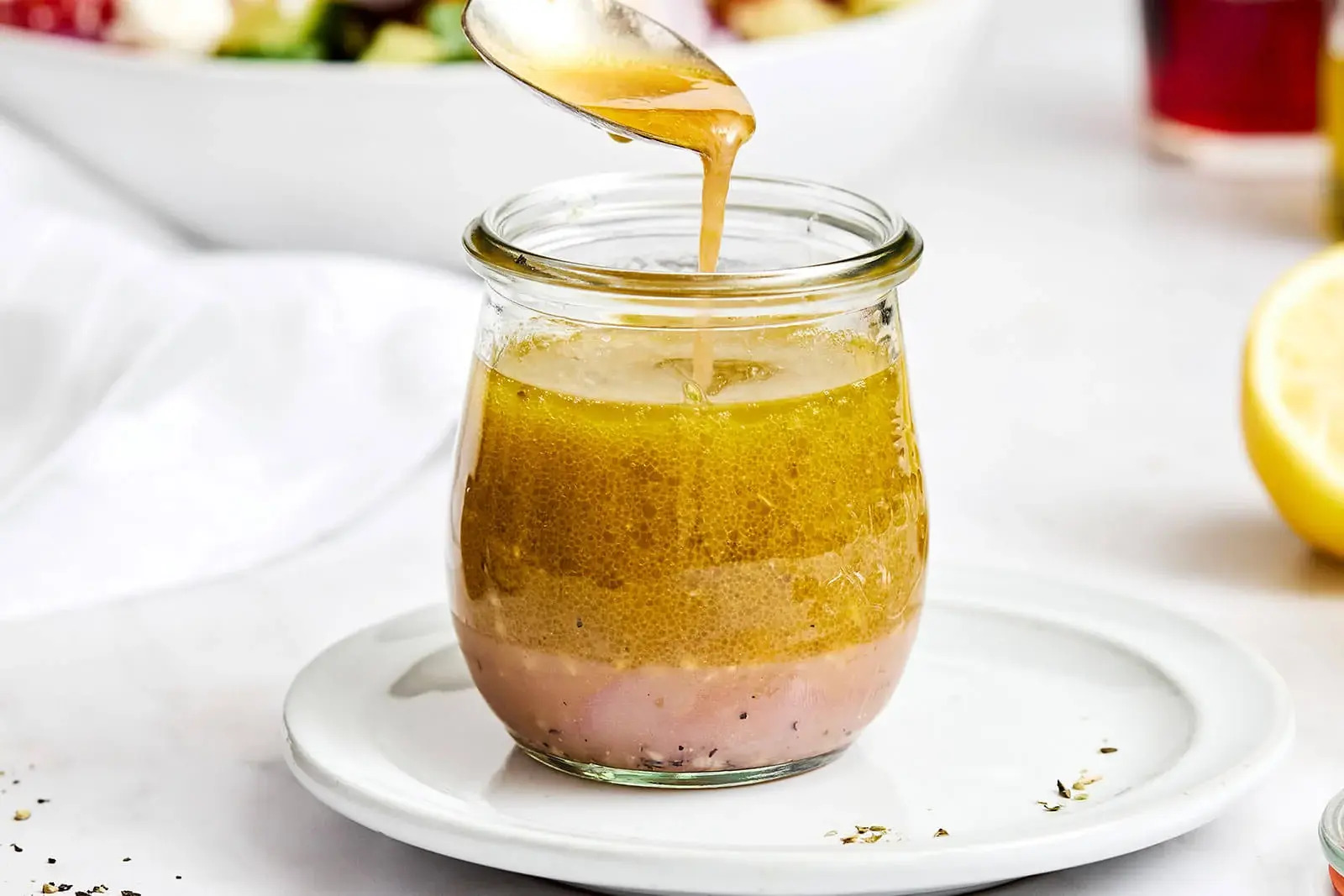
- Greekhouse Dressing Recipe10 Minutes
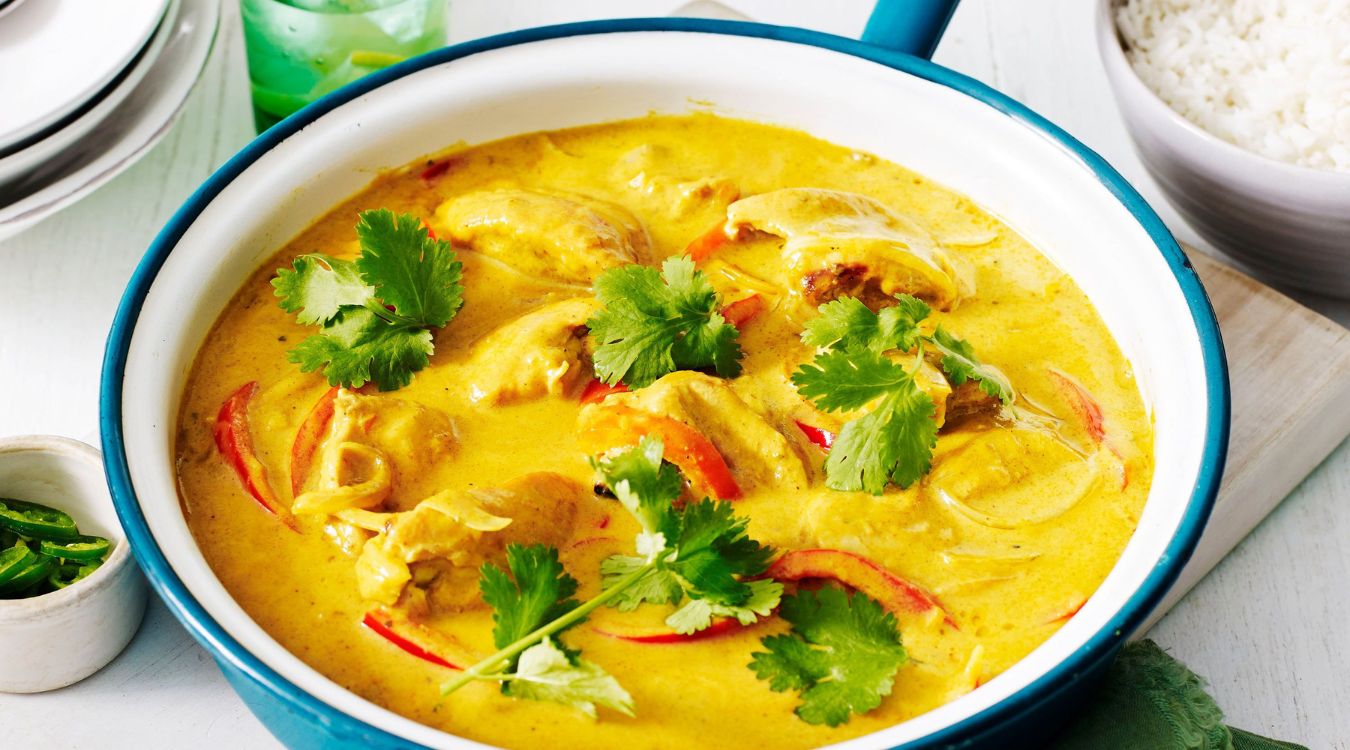
- Spicy Indian Chicken and Mango Curry Recipe1 Hours
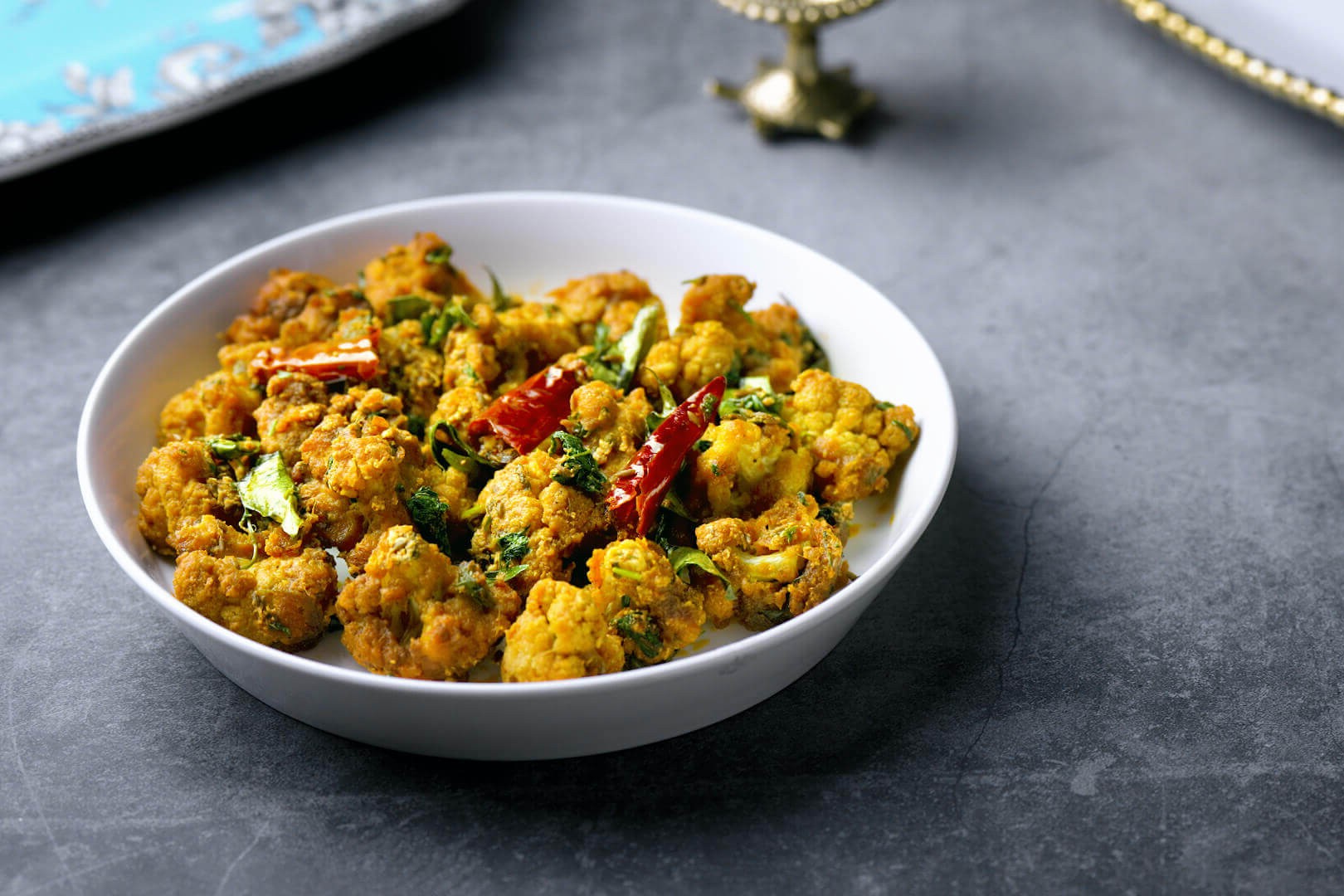
- Indian Gobi 65 Recipe35 Minutes
- Indian Chilli Gobi Recipe40 Minutes
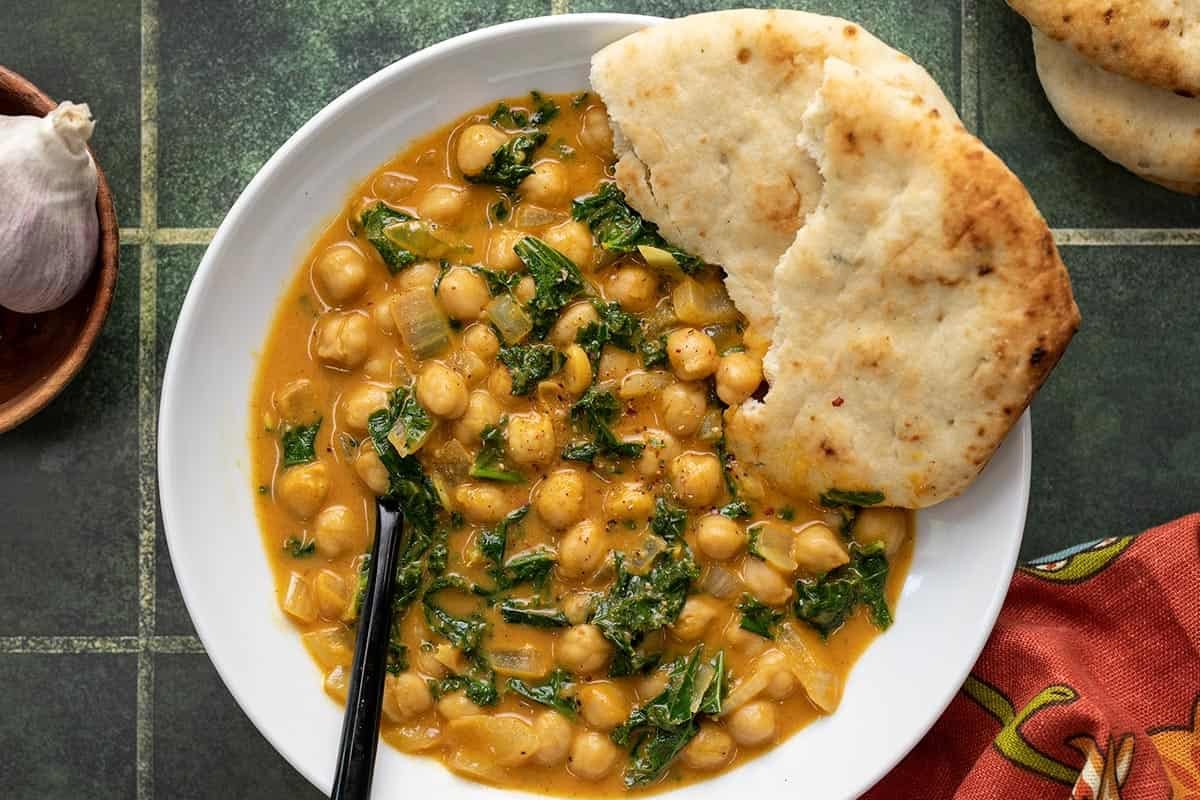
- Indian Coconut Chickpea Curry Recipe45 Minutes
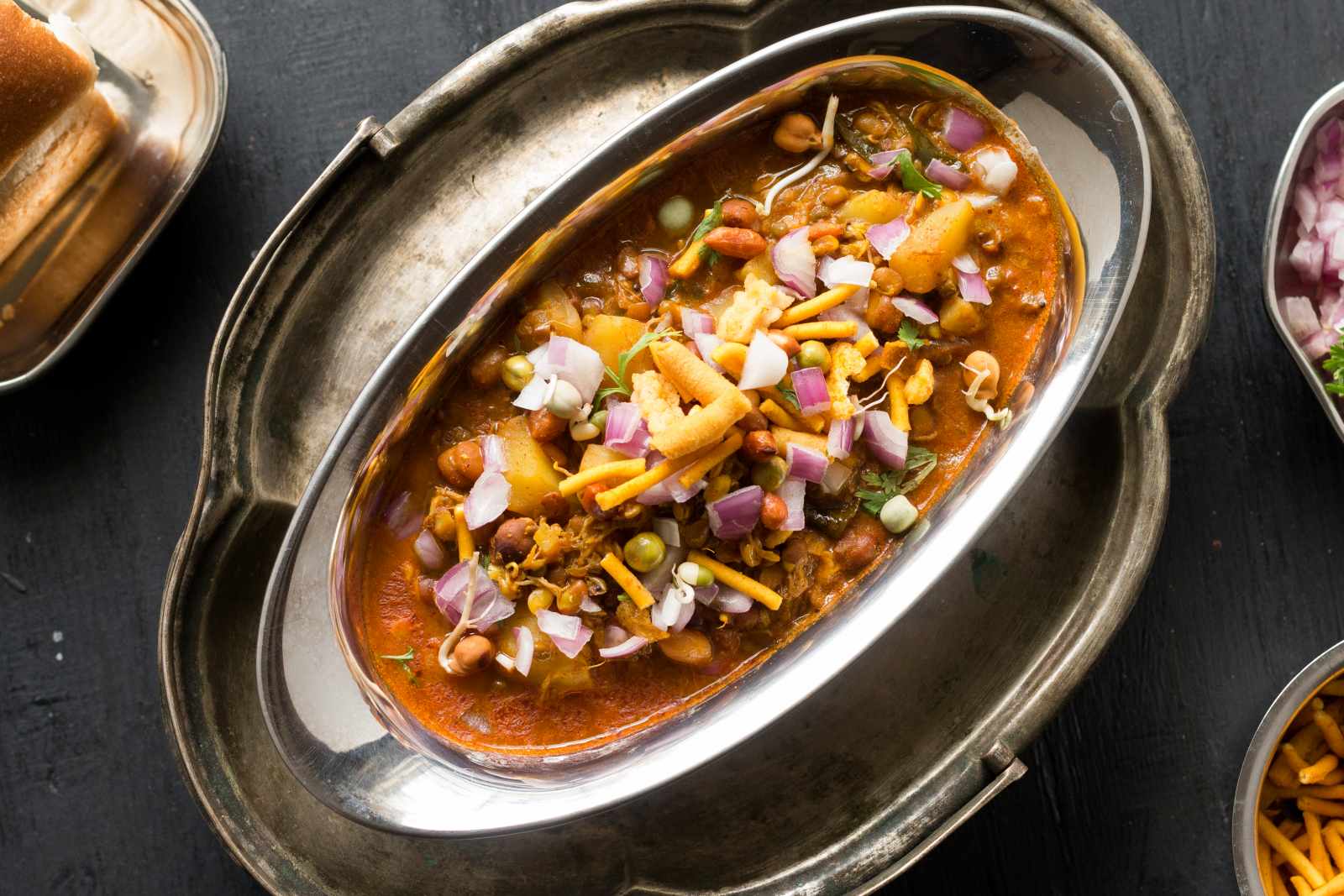
- Indian Misal Pav Recipe1 Hours
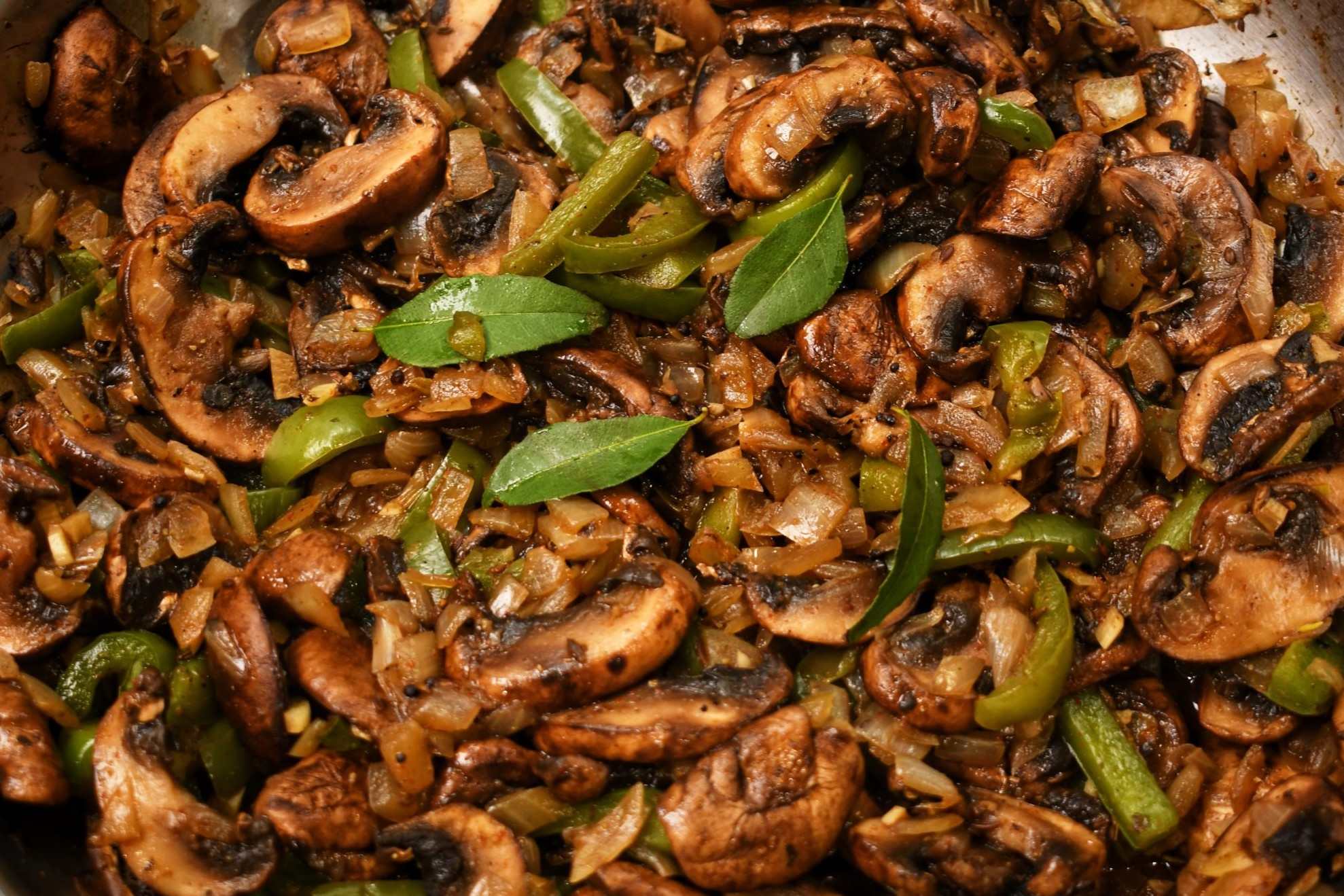
- Indian Mushroom Pepper Fry Recipe25 Minutes
- Indian Soya Keema Recipe45 Minutes


Leave a Reply