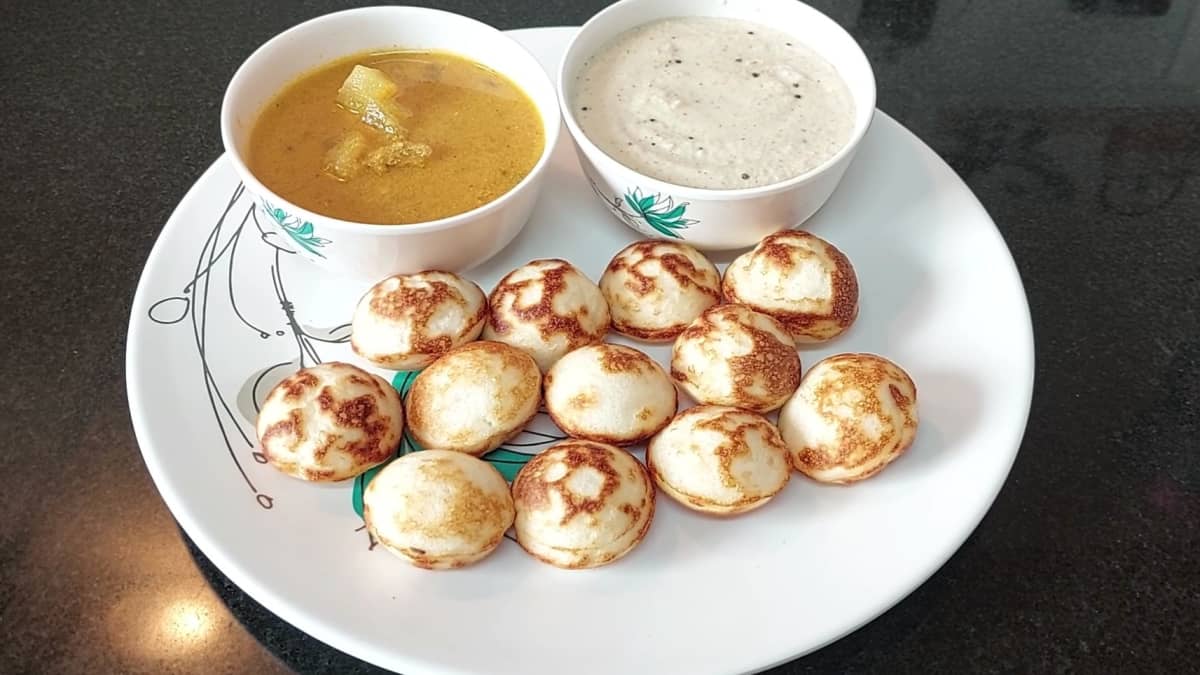
Paddu, also known as appe or paniyaram, is a delightful South Indian snack that is crispy on the outside and soft on the inside. Made from a fermented batter of rice and urad dal, this dish is perfect for breakfast or as an evening snack. The addition of vegetables and spices makes it not only tasty but also nutritious.
If you don't usually cook Indian food, you might not have fermented rice and urad dal batter at home. This batter is essential for making paddu and can be found in Indian grocery stores. Alternatively, you can make it at home by soaking rice and urad dal, grinding them into a batter, and allowing it to ferment overnight.
Ingredients For Indian Paddu Recipe
Fermented rice and urad dal batter: This is the base of the paddu, providing the necessary texture and flavor. It is made by soaking rice and urad dal, grinding them into a batter, and fermenting it overnight.
Onion: Adds a slight sweetness and crunch to the paddu.
Carrot: Provides a subtle sweetness and a boost of nutrition.
Coriander leaves: Adds freshness and a burst of flavor.
Cumin seeds: Imparts a warm, earthy flavor to the dish.
Mustard seeds: Adds a slight pungency and a nutty flavor when they splutter in hot oil.
Tempering oil: Used for sautéing the vegetables and spices, enhancing their flavors.
Salt: Enhances the overall flavor of the paddu.
Technique Tip for This Recipe
When preparing the tempering for the paddu, ensure that the oil is hot enough before adding the mustard seeds and cumin seeds. This will allow the seeds to splutter properly, releasing their full aroma and flavor into the dish. Additionally, when mixing the sautéed vegetables into the fermented batter, make sure the mixture is well-combined to ensure even distribution of flavors in each paddu.
Suggested Side Dishes
Alternative Ingredients
fermented rice and urad dal batter - Substitute with store-bought idli/dosa batter: This is a convenient alternative that is readily available in many grocery stores and provides a similar texture and taste.
onion - Substitute with shallots: Shallots have a milder flavor and can be used in the same quantity to provide a similar taste profile.
carrot - Substitute with zucchini: Grated zucchini has a similar texture and moisture content, making it a good alternative.
coriander leaves - Substitute with parsley: Parsley can provide a fresh, slightly peppery flavor that complements the dish well.
cumin seeds - Substitute with caraway seeds: Caraway seeds have a similar earthy flavor and can be used in the same quantity.
mustard seeds - Substitute with nigella seeds: Nigella seeds have a slightly peppery flavor and can provide a similar crunch and taste.
tempering oil - Substitute with ghee: Ghee adds a rich, buttery flavor and can be used in the same quantity for tempering.
salt - Substitute with sea salt: Sea salt can be used in the same quantity and provides a similar level of salinity.
Alternative Recipes Similar to This Dish
How to Store or Freeze This Dish
- Allow the paddu to cool completely at room temperature before storing. This prevents condensation, which can make them soggy.
- Place the cooled paddu in an airtight container. If you are stacking them, place a piece of parchment paper between each layer to prevent sticking.
- Store the container in the refrigerator if you plan to consume the paddu within 2-3 days. This helps maintain their freshness and texture.
- For longer storage, place the paddu in a single layer on a baking sheet and freeze them for about 1-2 hours. This initial freezing prevents them from sticking together.
- Once frozen, transfer the paddu to a resealable freezer bag or an airtight container. Label the container with the date to keep track of their freshness.
- When ready to eat, reheat the paddu directly from the freezer. You can use a microwave, oven, or stovetop. For the microwave, heat on high for 1-2 minutes. For the oven, preheat to 350°F (175°C) and bake for 10-15 minutes. On the stovetop, reheat in a non-stick pan over medium heat until warmed through.
- To maintain the crispy texture, avoid reheating in the microwave for too long. The oven or stovetop methods are preferable for a better texture.
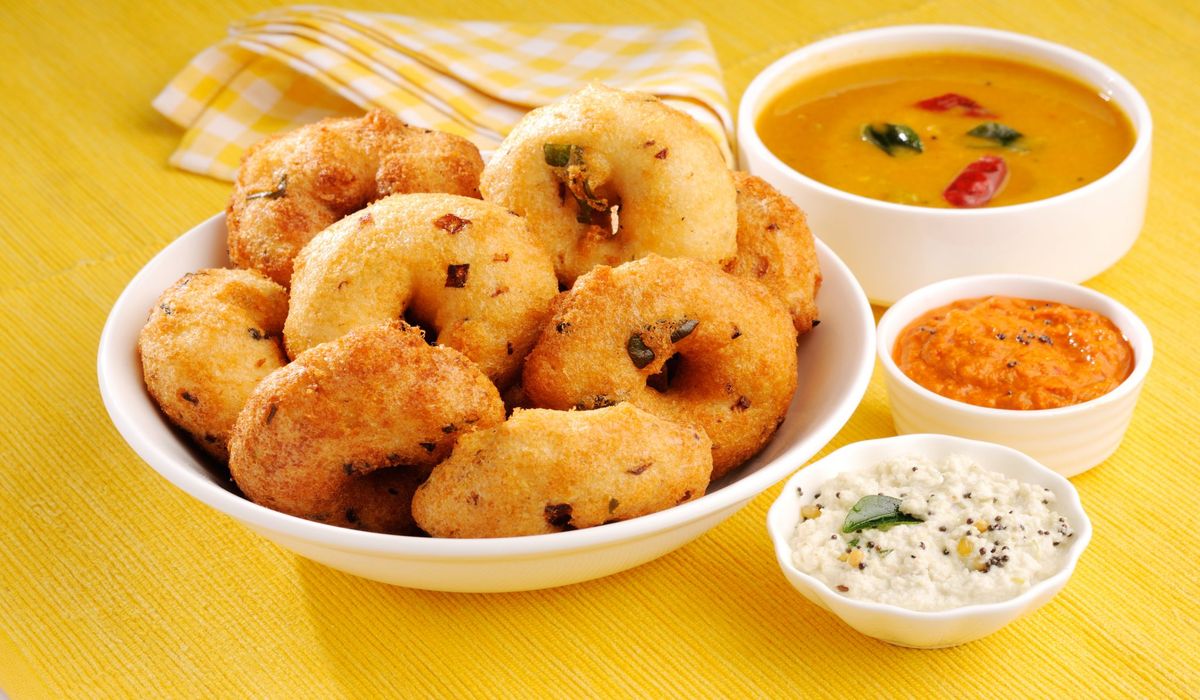
- Serve the reheated paddu with your favorite chutney or sambar to enjoy them as freshly made.
How to Reheat Leftovers
Preheat a non-stick pan over medium heat. Lightly grease it with oil. Place the leftover paddu in the pan and cover with a lid. Heat for about 2-3 minutes on each side until they are warmed through and regain their crispiness.
Use an oven to reheat multiple paddus at once. Preheat the oven to 350°F (175°C). Arrange the paddus on a baking sheet lined with parchment paper. Cover them with aluminum foil to prevent drying out. Bake for 10-12 minutes, or until heated through.
For a quick method, use a microwave. Place the paddus on a microwave-safe plate. Cover them with a damp paper towel to retain moisture. Microwave on medium power for 1-2 minutes, checking halfway through to ensure they are evenly heated.
If you have an air fryer, preheat it to 350°F (175°C). Arrange the paddus in a single layer in the air fryer basket. Heat for 3-5 minutes, shaking the basket halfway through to ensure even heating and crispiness.
Steam the paddus for a softer texture. Place them in a steamer basket over boiling water. Cover and steam for about 5 minutes, or until they are heated through. This method helps retain moisture and softness.
Best Tools for This Recipe
Pan: Used to heat oil and sauté the onions and carrots.
Paddu pan: Special pan with molds to cook the paddu.
Spoon: Used to pour the batter into the molds of the paddu pan.
Spatula: Helps in flipping the paddu to cook the other side.
Knife: For finely chopping the onions.
Grater: Used to grate the carrot.
Mixing bowl: To mix the sautéed vegetables with the fermented batter.
Measuring cups: To measure the ingredients accurately.
Lid: To cover the paddu pan while cooking.
How to Save Time on This Recipe
Prepare ingredients in advance: Chop the onion and grate the carrot ahead of time to streamline the cooking process.
Use pre-fermented batter: Purchase or prepare the fermented rice and urad dal batter the night before to save time on the day of cooking.
Efficient tempering: Heat the oil and add mustard seeds and cumin seeds simultaneously to reduce cooking time.
Batch cooking: Cook multiple paddus at once by filling all the molds in the paddu pan.
Quick cleanup: Use a non-stick paddu pan to minimize sticking and make cleaning easier.
Indian Paddu Recipe
Ingredients
Main Ingredients
- 2 cups Fermented rice and urad dal batter
- 1 small Onion, finely chopped
- 1 small Carrot, grated
- 2 tablespoon Coriander leaves, chopped
- 1 teaspoon Cumin seeds
- 1 teaspoon Mustard seeds
- 2 tablespoon Oil for tempering
- to taste Salt
Instructions
- 1. Heat oil in a pan and add mustard seeds and cumin seeds. Let them splutter.
- 2. Add chopped onions and grated carrots. Sauté until they are soft.
- 3. Add this mixture to the fermented batter along with chopped coriander leaves and salt. Mix well.
- 4. Heat the paddu pan and grease it with a little oil.
- 5. Pour a spoonful of batter into each mold of the paddu pan.
- 6. Cover and cook on medium heat until the bottom side is golden brown. Flip and cook the other side.
- 7. Serve hot with chutney or sambar.
Nutritional Value
Keywords
More Amazing Recipes to Try 🙂
- Greekhouse Dressing Recipe10 Minutes
- Spicy Indian Chicken and Mango Curry Recipe1 Hours
- Indian Gobi 65 Recipe35 Minutes
- Indian Chilli Gobi Recipe40 Minutes
- Indian Coconut Chickpea Curry Recipe45 Minutes
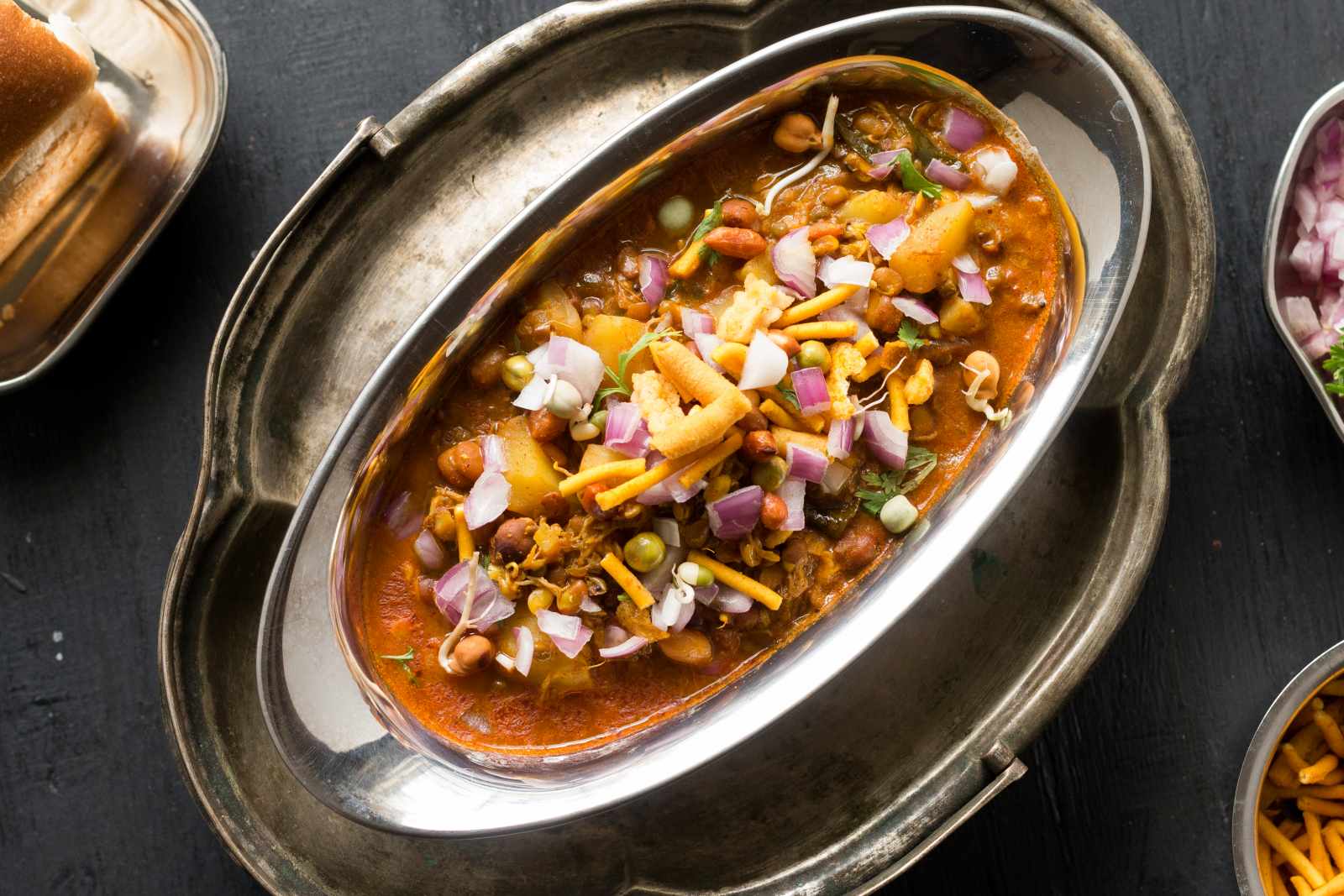
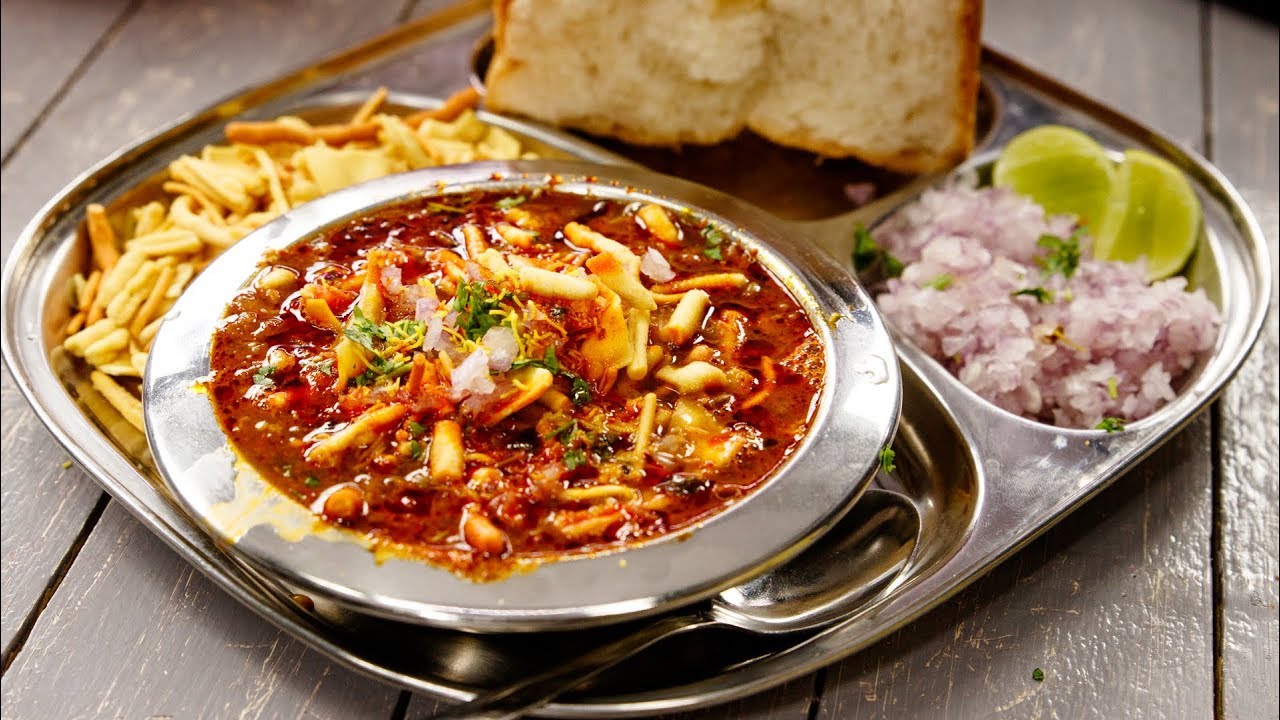
- Indian Misal Pav Recipe1 Hours
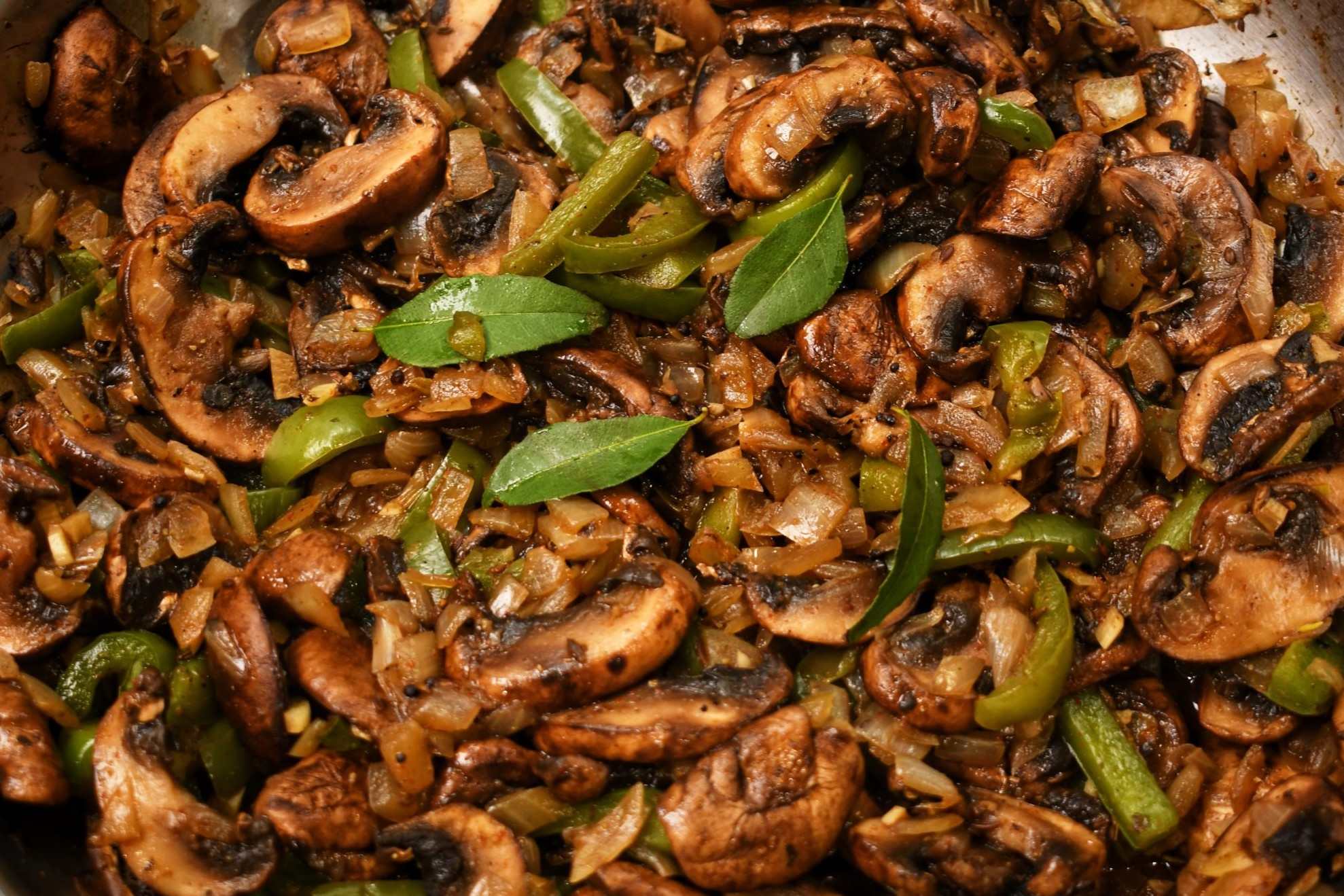
- Indian Mushroom Pepper Fry Recipe25 Minutes
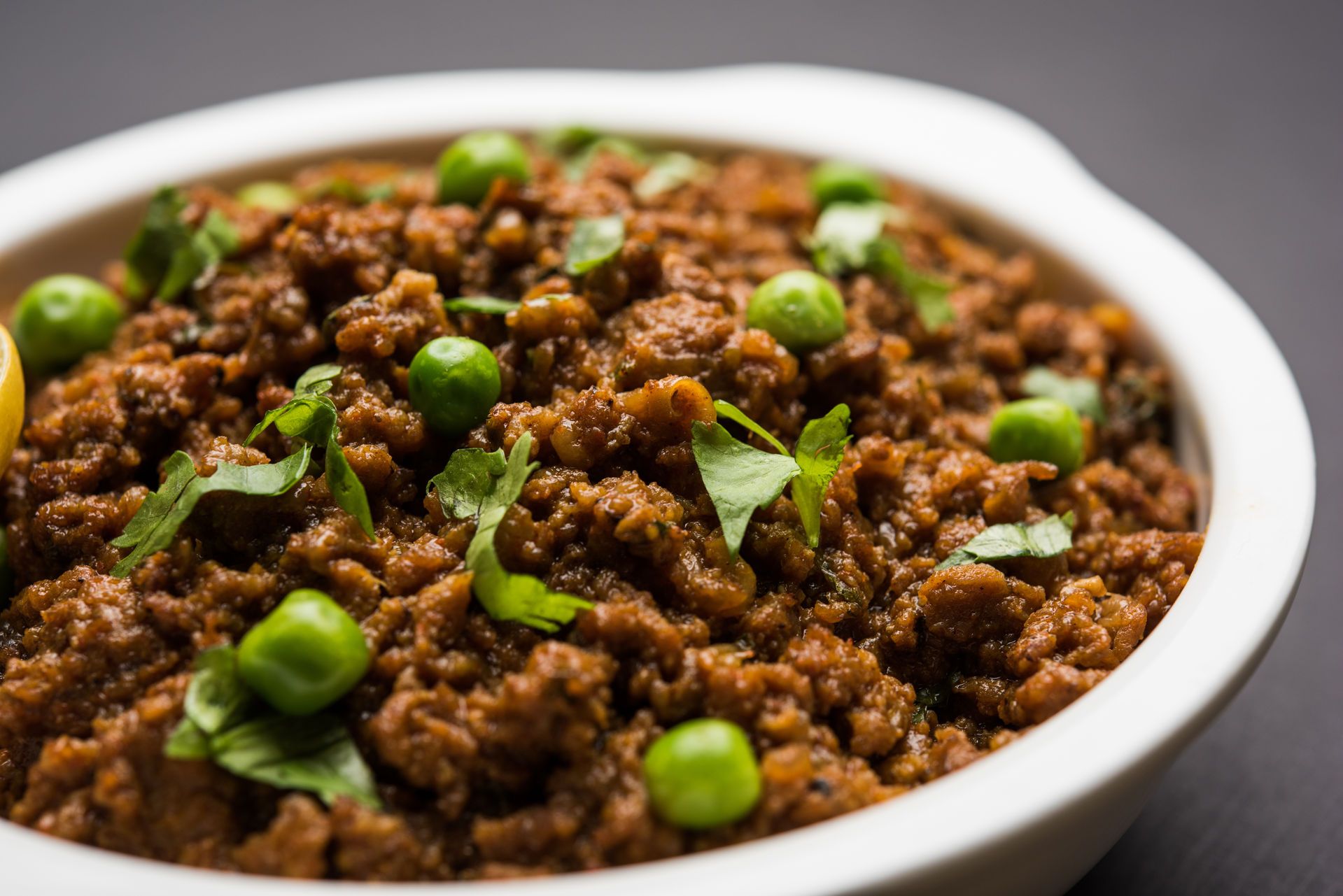
- Indian Soya Keema Recipe45 Minutes





Leave a Reply