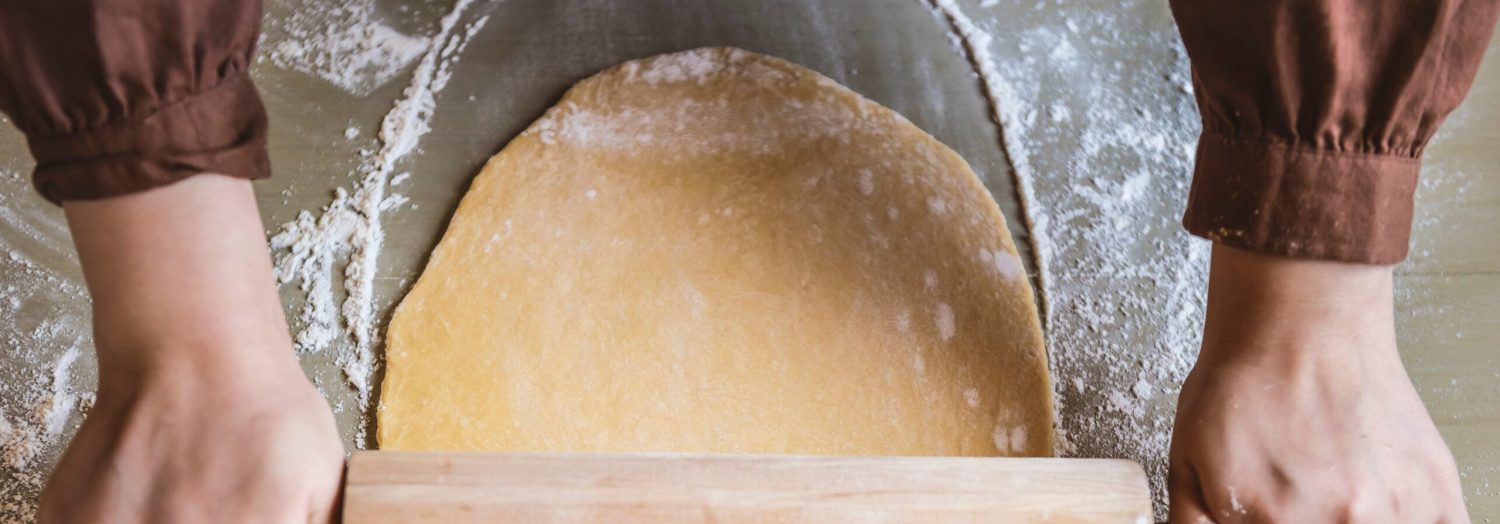
Rava Pongal is a delightful South Indian dish that combines the nutty flavors of semolina and moong dal with aromatic spices. This comforting dish is perfect for breakfast or a light meal, offering a satisfying and nutritious option that is both easy to prepare and delicious.
Some ingredients in this recipe might not be commonly found in every household. Rava or semolina is a type of coarse wheat flour, often used in Indian cooking. Moong dal is a type of split yellow lentil that is widely used in Indian cuisine. Curry leaves are aromatic leaves used to add a distinct flavor to the dish. These ingredients can be found in the international or Indian section of most supermarkets.
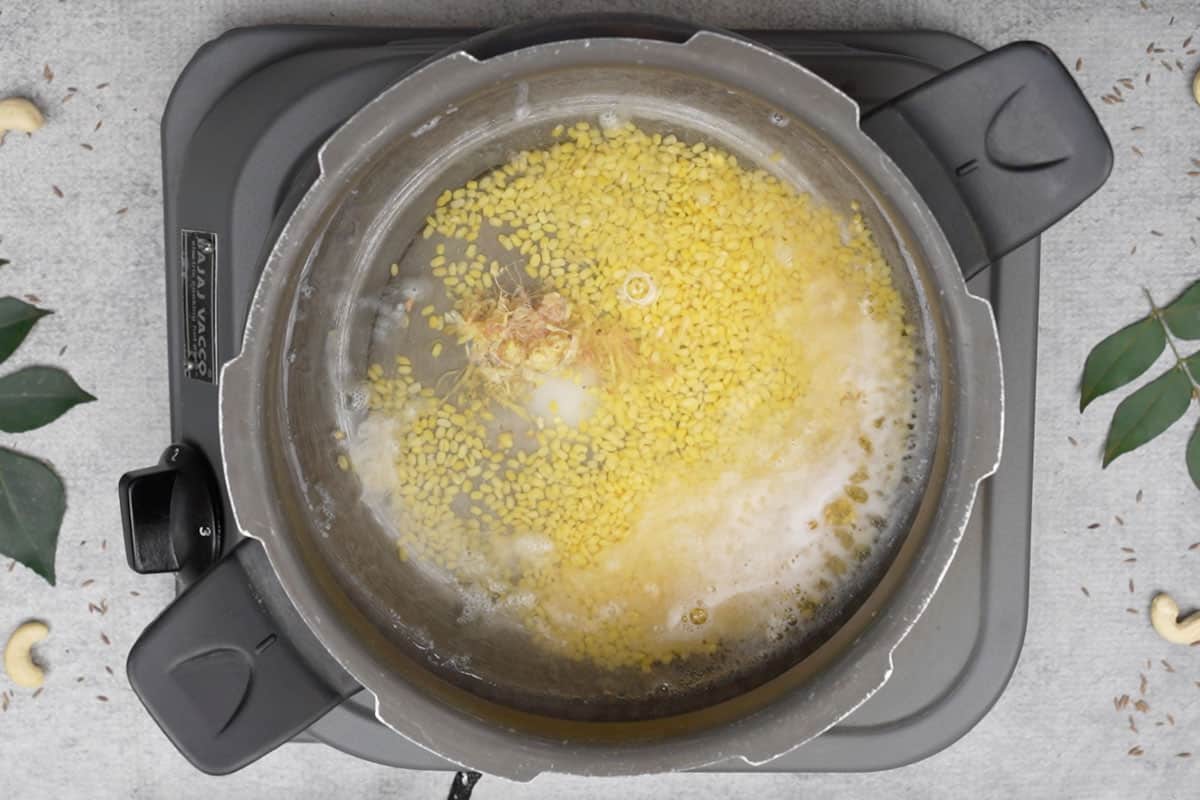
Ingredients For Indian Rava Pongal Recipe
Rava: Also known as semolina, this coarse wheat flour adds a nutty flavor and texture to the dish.
Moong dal: Split yellow lentils that provide a creamy texture and protein to the recipe.
Ghee: Clarified butter that adds richness and a unique flavor to the dish.
Crushed black pepper: Adds a spicy kick and enhances the overall flavor.
Cumin seeds: Provides a warm, earthy flavor that complements the other spices.
Curry leaves: Aromatic leaves that add a distinct flavor and fragrance to the dish.
Ginger: Finely chopped to add a fresh, zesty flavor.
Salt: Enhances the flavors of all the ingredients.
Water: Essential for cooking the moong dal and rava to the right consistency.
Technique Tip for This Recipe
To achieve a smoother texture in your rava pongal, ensure you continuously stir while adding the roasted rava to the boiling water. This helps prevent lumps from forming. Additionally, dry roasting both the rava and moong dal enhances their flavors, giving your dish a richer taste.
Suggested Side Dishes
Alternative Ingredients
rava - Substitute with quinoa: Quinoa offers a similar texture and is a healthier, protein-rich alternative.
moong dal - Substitute with red lentils: Red lentils cook quickly and have a similar consistency to moong dal.
ghee - Substitute with coconut oil: Coconut oil provides a similar richness and is a good vegan alternative.
crushed black pepper - Substitute with white pepper: White pepper has a similar heat profile but a slightly different flavor.
cumin seeds - Substitute with caraway seeds: Caraway seeds have a similar earthy flavor and can be used in the same quantity.
curry leaves - Substitute with bay leaves: Bay leaves provide a different but complementary flavor, though they should be removed before serving.
finely chopped ginger - Substitute with ground ginger: Ground ginger can be used in a pinch, though it has a more concentrated flavor; use about half the amount.
salt - Substitute with soy sauce: Soy sauce adds saltiness and umami, but use sparingly to avoid overpowering the dish.
water - Substitute with vegetable broth: Vegetable broth adds more depth of flavor compared to plain water.
Other Alternative Recipes Similar to This Dish
How To Store / Freeze This Dish
- Allow the rava pongal to cool down to room temperature before storing. This prevents condensation and keeps the dish from becoming soggy.
- Transfer the cooled rava pongal into an airtight container. Make sure the container is clean and dry to maintain the freshness.
- For short-term storage, place the container in the refrigerator. The rava pongal will stay fresh for up to 3 days.
- If you plan to store it for a longer period, consider freezing. Portion the rava pongal into smaller, freezer-safe containers or zip-lock bags. This makes it easier to thaw only what you need.
- Label the containers with the date of preparation. This helps you keep track of how long the rava pongal has been stored.
- When ready to reheat, thaw the rava pongal in the refrigerator overnight if frozen. This gradual thawing helps maintain the texture.
- Reheat the rava pongal on the stovetop or in the microwave. If using the stovetop, add a splash of water or ghee to prevent it from drying out. Stir occasionally until heated through.
- For microwave reheating, transfer the rava pongal to a microwave-safe dish, cover it with a microwave-safe lid or wrap, and heat in short intervals, stirring in between to ensure even heating.
- Avoid reheating multiple times. Only reheat the portion you plan to consume to maintain the quality and safety of the rava pongal.
- If the rava pongal appears too thick after reheating, add a little hot water or ghee and mix well to achieve the desired consistency.
How To Reheat Leftovers
Stovetop Method:
- Transfer the leftover Indian Rava Pongal to a non-stick pan.
- Add a splash of water or milk to rehydrate the dish.
- Heat on low flame, stirring occasionally to prevent sticking.
- Once heated through, add a teaspoon of ghee for added richness and flavor.
Microwave Method:
- Place the Indian Rava Pongal in a microwave-safe bowl.
- Sprinkle a little water or milk over the top to prevent drying out.
- Cover the bowl with a microwave-safe lid or plate.
- Heat on medium power for 2-3 minutes, stirring halfway through to ensure even heating.
- Add a dollop of ghee before serving to enhance the taste.
Steaming Method:
- Place the leftover Indian Rava Pongal in a heatproof bowl.
- Set up a steamer with water and bring it to a boil.
- Place the bowl in the steamer and cover with a lid.
- Steam for about 5-7 minutes until the pongal is heated through.
- Stir in a teaspoon of ghee before serving for a fresh taste.
Oven Method:
- Preheat the oven to 350°F (175°C).
- Spread the Indian Rava Pongal evenly in an oven-safe dish.
- Cover the dish with aluminum foil to retain moisture.
- Bake for about 15-20 minutes, stirring halfway through.
- Once heated, drizzle with ghee to bring back the original flavor.
Best Tools for This Recipe
Pan: Used for dry roasting the rava and moong dal to bring out their flavors.
Spatula: Essential for stirring the ingredients to ensure even roasting and to avoid lumps when adding rava.
Knife: Needed for finely chopping the ginger.
Cutting board: Provides a surface for chopping the ginger.
Measuring cups: Used to measure the rava and moong dal accurately.
Measuring spoons: Necessary for measuring the ghee, crushed black pepper, cumin seeds, and salt.
Stove: Required to heat the pan and cook the ingredients.
Serving spoon: Used to serve the hot rava pongal once it's ready.
Bowl: Handy for setting aside the roasted rava and moong dal.
Water jug: Useful for measuring and adding water to the pan.
How to Save Time on Making This Recipe
Pre-roast ingredients: Dry roast rava and moong dal in advance and store them in airtight containers.
Use a pressure cooker: Cook moong dal in a pressure cooker to save time.
Prep aromatics: Chop ginger and measure out cumin seeds, black pepper, and curry leaves beforehand.
Boil water first: Start boiling water while you roast the ingredients to streamline the process.
Batch cooking: Make a larger batch and refrigerate portions for quick reheating.
Indian Rava Pongal Recipe
Ingredients
Main Ingredients
- 1 cup Rava (Semolina)
- ½ cup Moong Dal
- 2 tablespoon Ghee
- 1 teaspoon Black Pepper crushed
- 1 teaspoon Cumin Seeds
- 10 pieces Curry Leaves
- 1 inch Ginger finely chopped
- 1 teaspoon Salt or to taste
- 3 cups Water
Instructions
- Dry roast the rava (semolina) in a pan until it turns light golden. Set aside.
- In the same pan, dry roast the moong dal until aromatic. Set aside.
- Heat ghee in a pan, add cumin seeds, crushed black pepper, curry leaves, and chopped ginger. Sauté for a minute.
- Add water and salt to the pan and bring it to a boil.
- Add the roasted moong dal and cook until it is soft.
- Slowly add the roasted rava while stirring continuously to avoid lumps.
- Cook on low heat until the mixture thickens and the rava is cooked. Serve hot.
Nutritional Value
Keywords
More Amazing Recipes to Try 🙂
- Indian Dalma Recipe45 Minutes
- Pasties Recipe1 Hours 30 Minutes
- Indian Besan Halwa Recipe30 Minutes
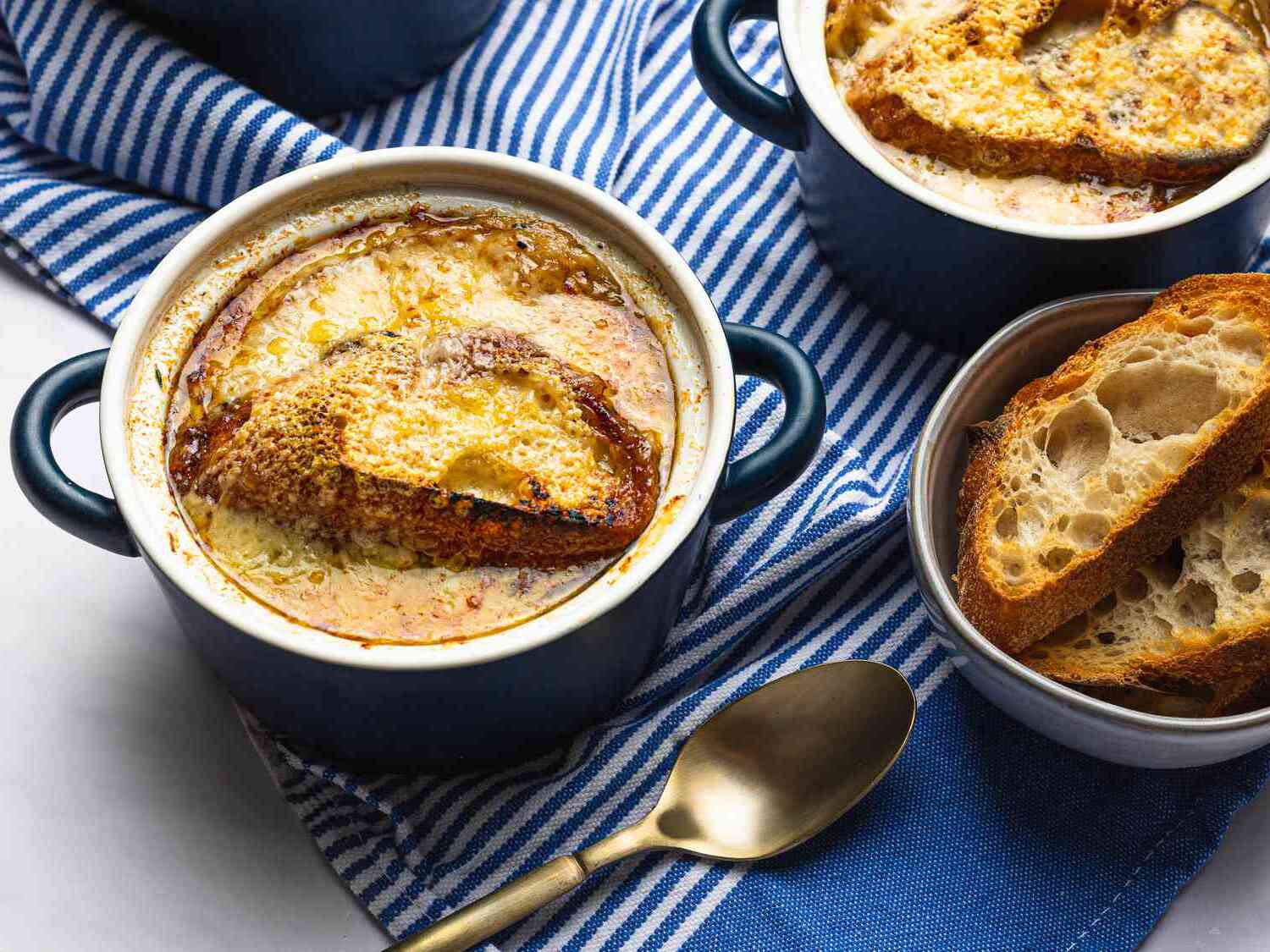
- French Onion Soup Recipe1 Hours 15 Minutes
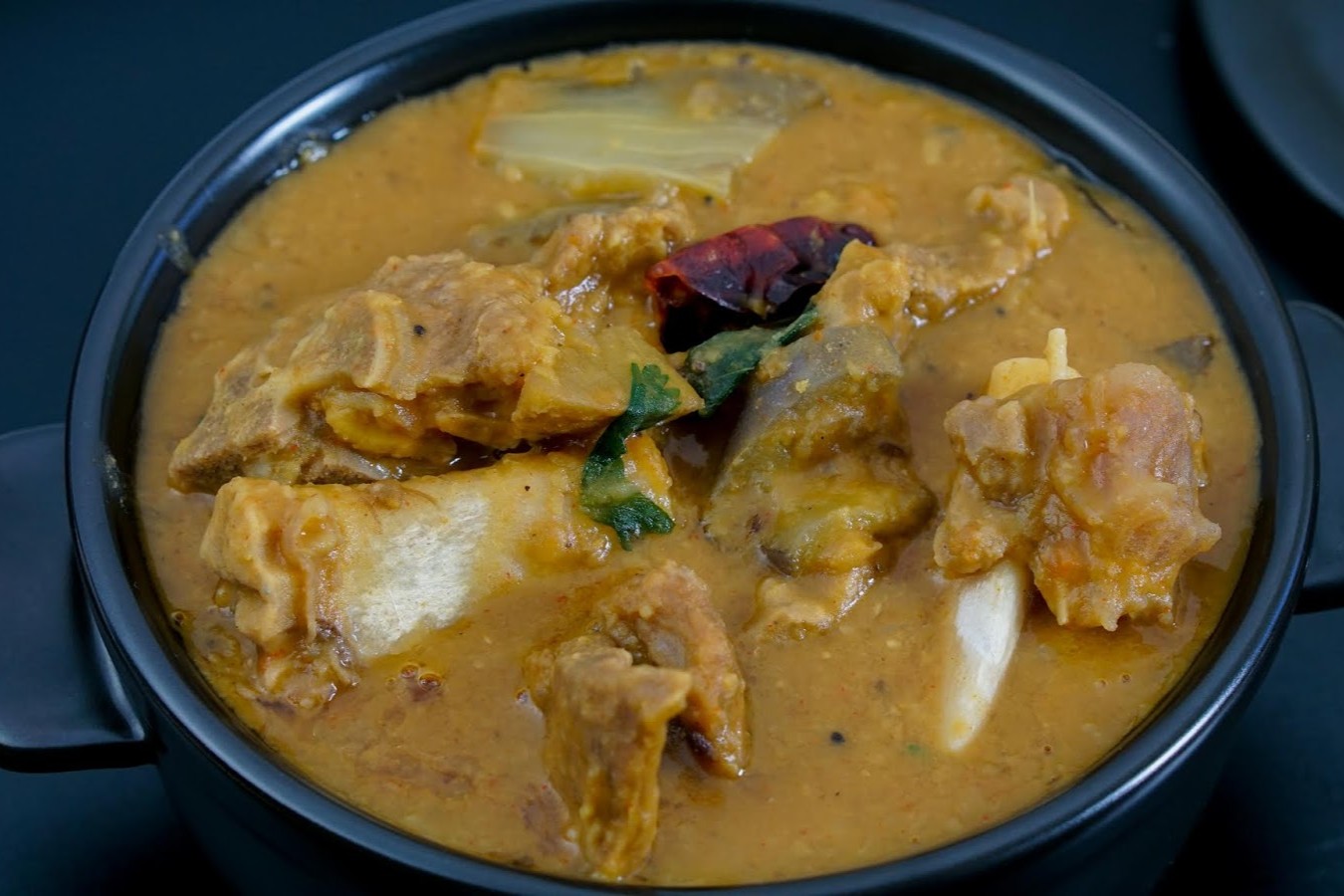
- Indian Mutton Dalcha Recipe1 Hours 20 Minutes
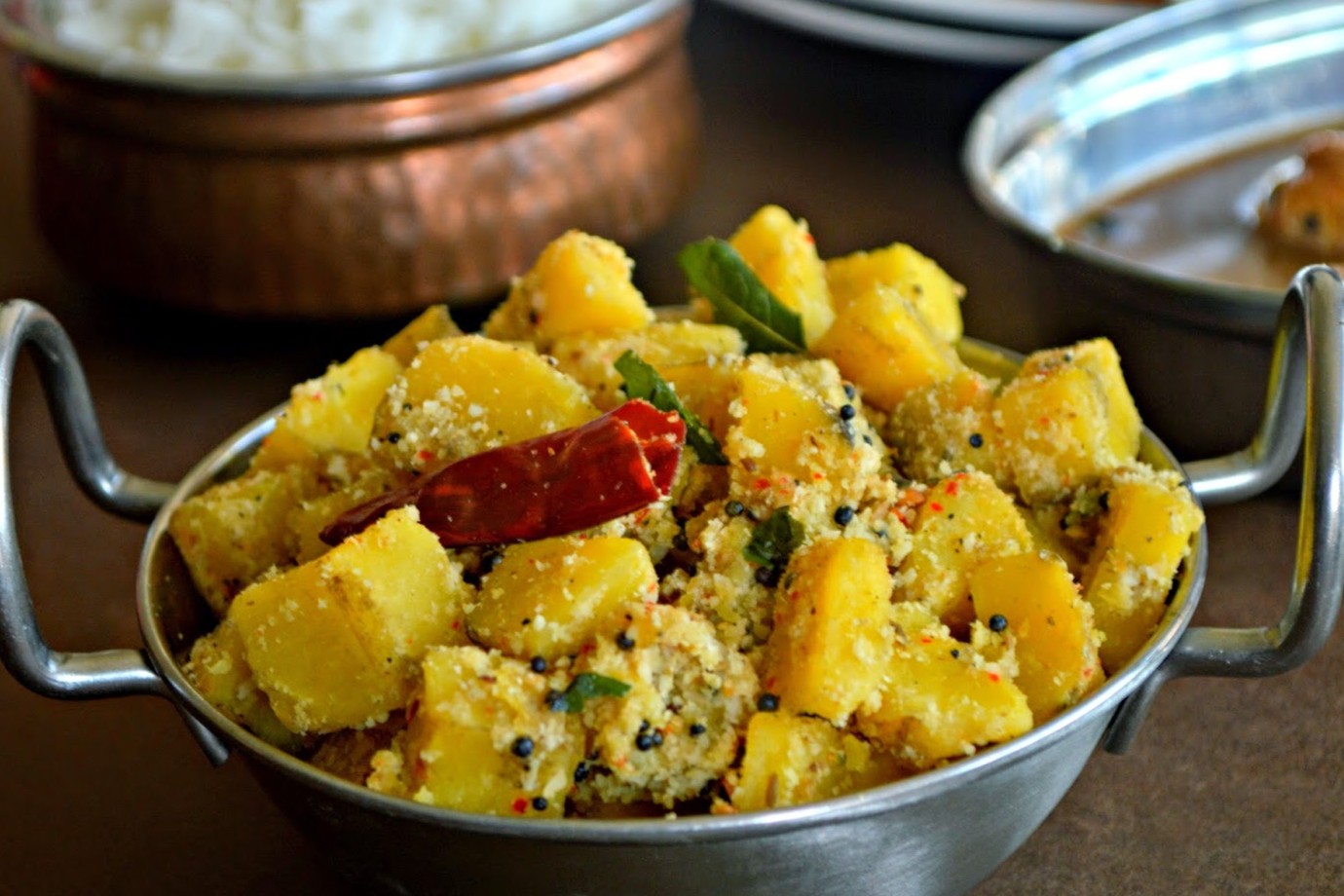
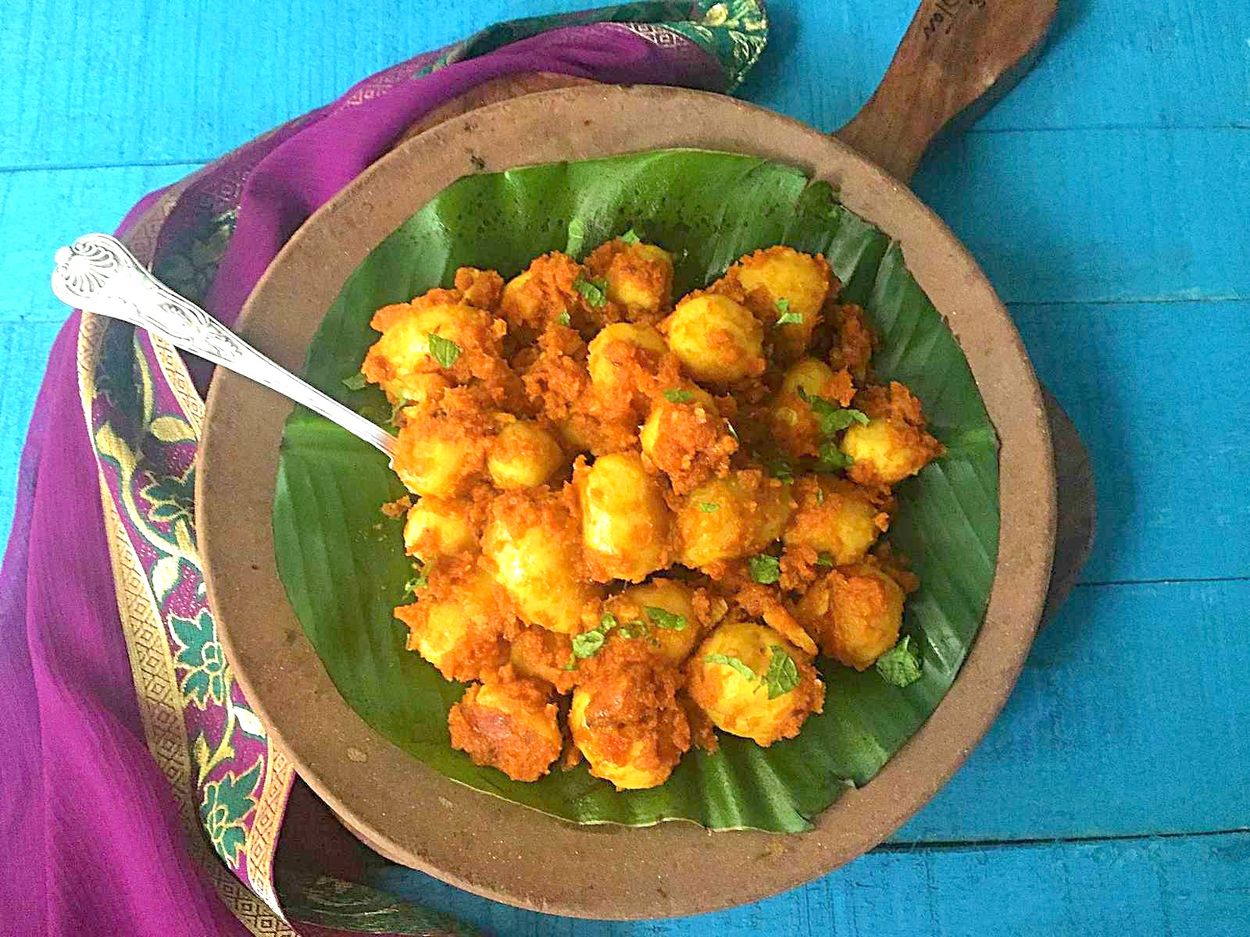
- Indian Raw Banana Curry Recipe45 Minutes
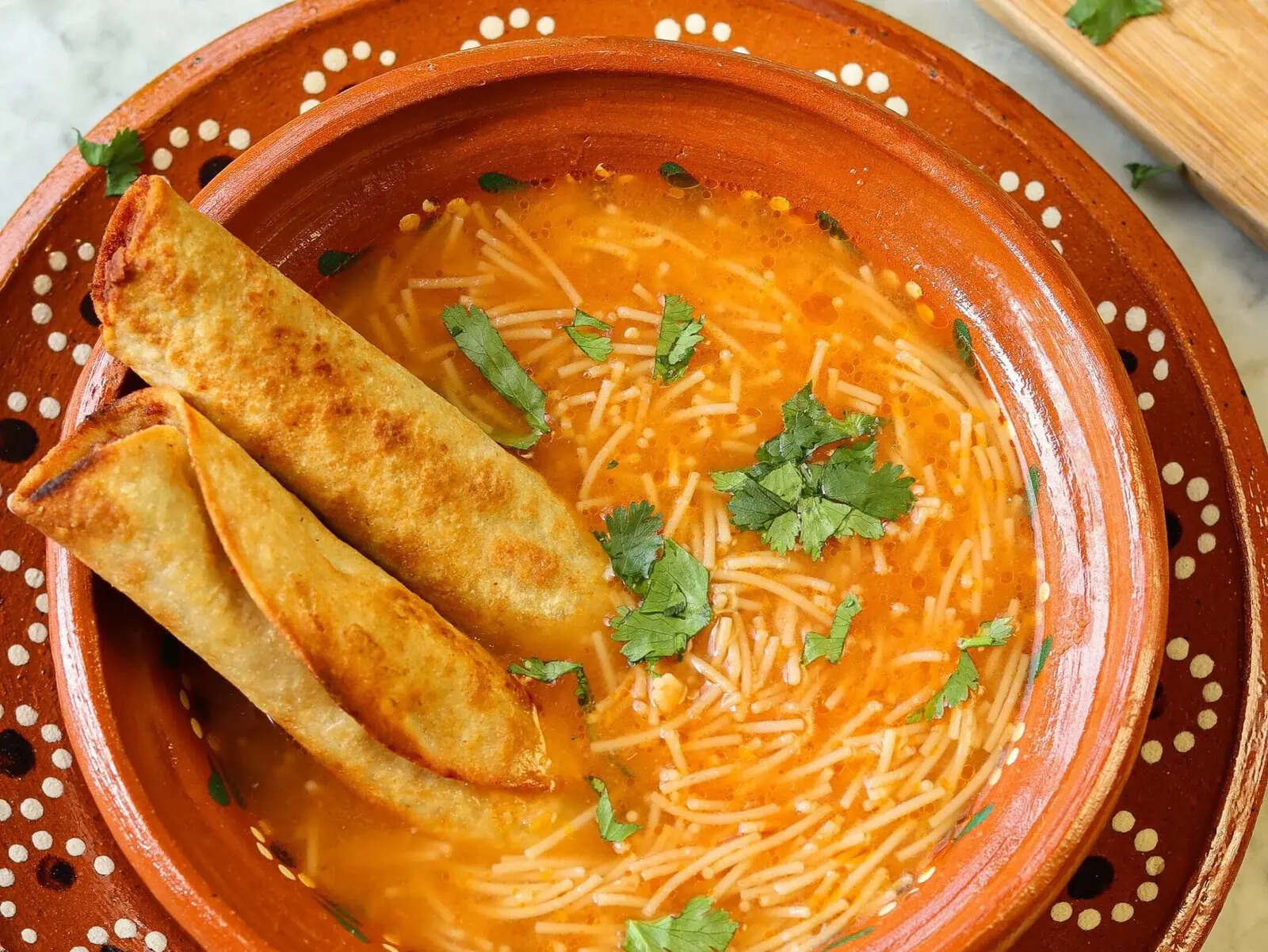
- Fideo Recipe30 Minutes
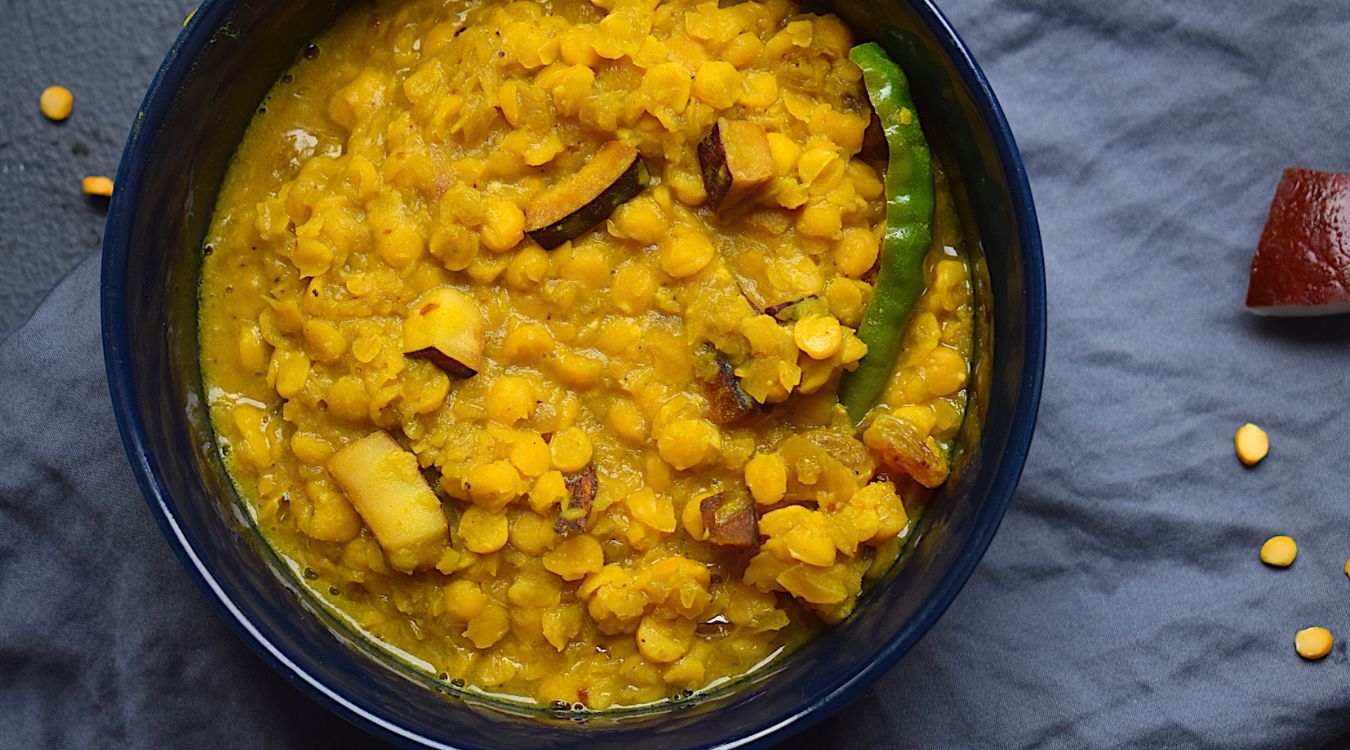
- Indian Cholar Dal Recipe45 Minutes

Leave a Reply