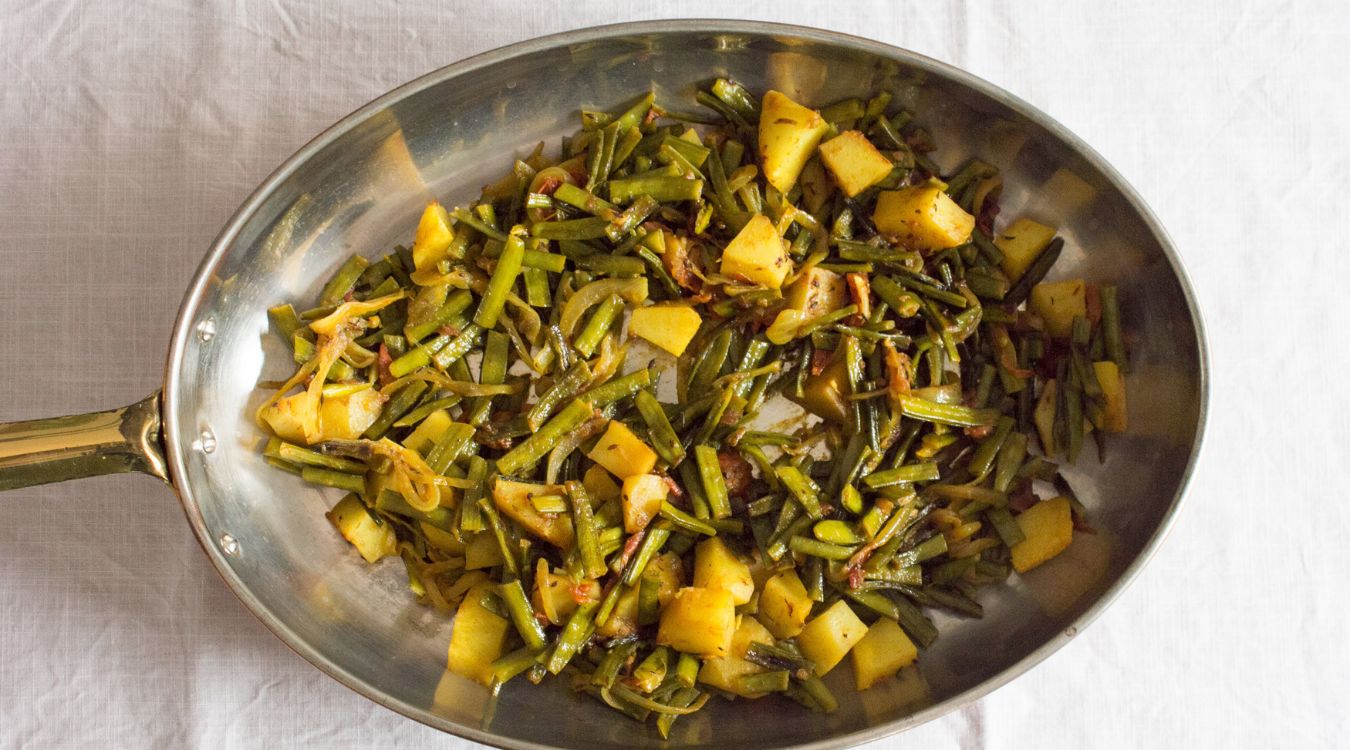
Parwal Ki Sabzi is a delightful Indian dish that brings out the unique flavors of pointed gourd. This simple yet flavorful recipe is perfect for a quick weekday meal or a special occasion. The combination of spices and fresh herbs makes it a must-try for anyone looking to explore traditional Indian cuisine.
One of the key ingredients in this recipe is parwal, also known as pointed gourd. It might not be commonly found in every household, but you can easily find it in Indian or Asian supermarkets. Make sure to pick fresh, firm parwal for the best results. Additionally, garam masala is a spice blend that adds depth to the dish, and it can be found in the spice aisle of most supermarkets.
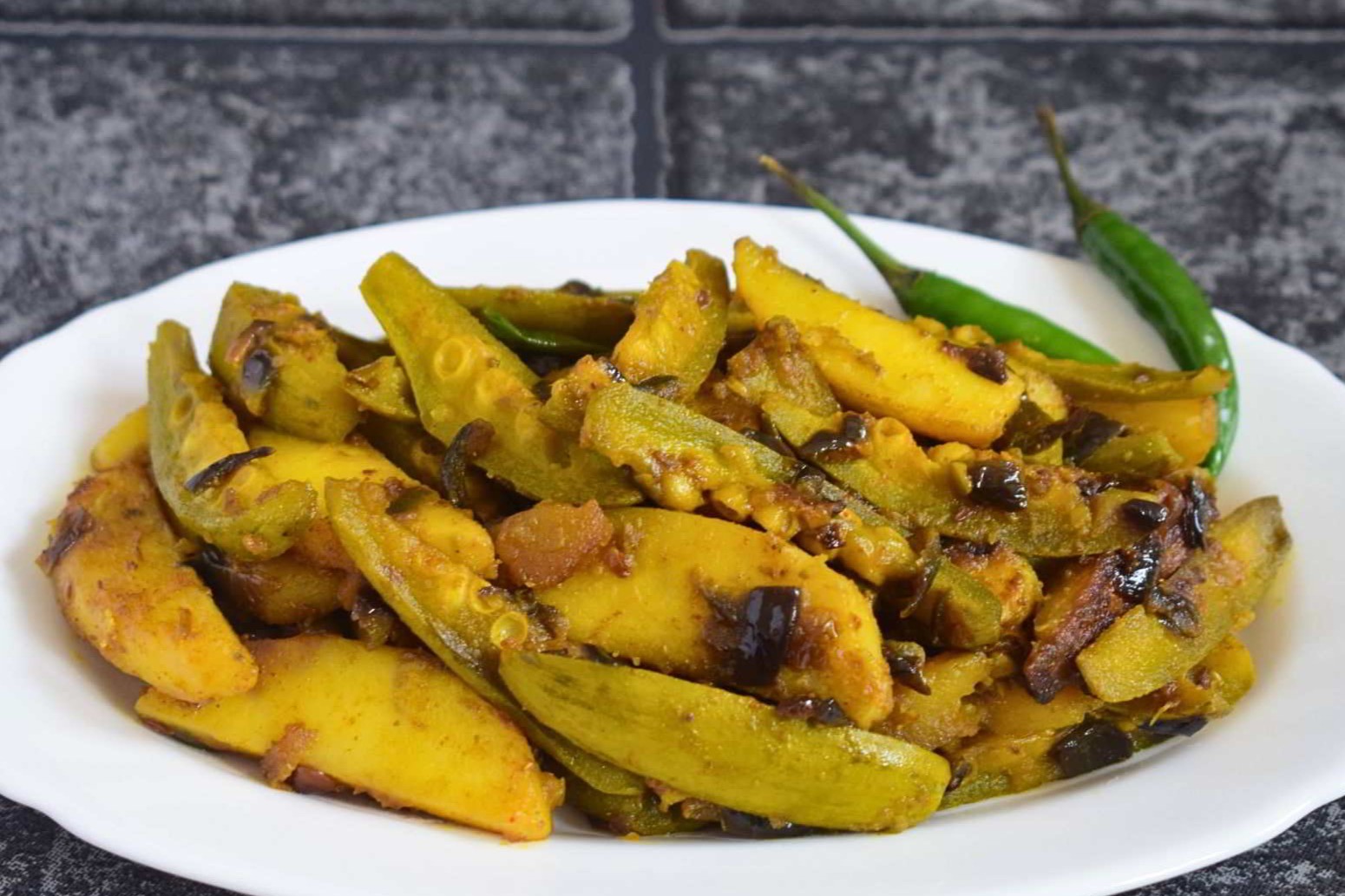
Ingredients For Indian Parwal Ki Sabzi Recipe
Parwal: Pointed gourd, peeled and sliced, is the star of this dish, offering a unique texture and flavor.
Oil: Used for sautéing the spices and parwal, any neutral oil like vegetable or canola oil works well.
Cumin seeds: Adds a warm, earthy flavor and is essential for tempering the oil.
Turmeric powder: Provides a vibrant color and a subtle earthy taste.
Red chili powder: Adds heat and a rich red color to the dish.
Coriander powder: Brings a citrusy, slightly sweet flavor that complements the other spices.
Garam masala: A blend of ground spices that adds complexity and depth to the dish.
Salt: Enhances all the flavors in the dish.
Coriander leaves: Freshly chopped, used for garnishing and adding a burst of freshness.
Technique Tip for This Recipe
When preparing parwal, ensure that you peel and slice them uniformly. This helps in even cooking and enhances the texture of the dish. Additionally, when you add the spices like turmeric powder, red chili powder, and coriander powder, make sure to sauté them briefly before covering the pan. This allows the spices to release their essential oils and flavors, making the sabzi more aromatic and flavorful.
Suggested Side Dishes
Alternative Ingredients
parwal (pointed gourd) - Substitute with zucchini: Zucchini has a similar texture and mild flavor, making it a good alternative for parwal in this dish.
oil - Substitute with ghee: Ghee adds a rich, buttery flavor that complements the spices well.
cumin seeds - Substitute with caraway seeds: Caraway seeds have a similar earthy flavor and can be used in place of cumin seeds.
turmeric powder - Substitute with saffron: Saffron provides a similar color and a unique flavor, though it is more aromatic and slightly sweet.
red chili powder - Substitute with cayenne pepper: Cayenne pepper has a similar heat level and can be used to add spice to the dish.
coriander powder - Substitute with cumin powder: Cumin powder offers a warm, earthy flavor that can replace the citrusy notes of coriander powder.
garam masala - Substitute with curry powder: Curry powder has a blend of spices that can mimic the complex flavors of garam masala.
salt - Substitute with soy sauce: Soy sauce can add a salty and umami flavor, though it will also add a bit of liquid to the dish.
fresh coriander leaves - Substitute with parsley: Parsley provides a fresh, herbal note similar to coriander leaves, though it is less pungent.
Other Alternative Recipes Similar to This Dish
How To Store / Freeze This Dish
Allow the parwal ki sabzi to cool down completely at room temperature before storing or freezing. This prevents condensation and maintains the dish's texture.
Transfer the cooled sabzi into an airtight container. Make sure the container is clean and dry to avoid any contamination.
If you plan to consume the parwal ki sabzi within a few days, store it in the refrigerator. It will stay fresh for up to 3-4 days.
For longer storage, place the airtight container in the freezer. The sabzi can be frozen for up to 2 months without losing its flavor and texture.
When ready to use, thaw the parwal ki sabzi in the refrigerator overnight. This gradual thawing helps retain the dish's original taste and texture.
Reheat the sabzi in a pan over medium heat, stirring occasionally to ensure even heating. You can also use a microwave, but make sure to stir halfway through to avoid uneven heating.
If the sabzi appears dry after reheating, add a splash of water or a few drops of oil to restore its moisture and enhance the flavors.
Always use a clean spoon to serve the parwal ki sabzi to prevent contamination and extend its shelf life.
How To Reheat Leftovers
Stovetop Method:
- Heat a non-stick pan over medium heat.
- Add a teaspoon of oil or a splash of water to prevent sticking.
- Add the leftover parwal ki sabzi and stir occasionally.
- Cook for 5-7 minutes until heated through, ensuring the parwal remains tender.
Microwave Method:
- Place the parwal ki sabzi in a microwave-safe dish.
- Cover with a microwave-safe lid or plastic wrap with a few holes for steam to escape.
- Heat on high for 2-3 minutes, stirring halfway through.
- Check if the sabzi is heated evenly; if not, continue heating in 30-second intervals.
Oven Method:
- Preheat your oven to 350°F (175°C).
- Spread the parwal ki sabzi evenly in an oven-safe dish.
- Cover with aluminum foil to retain moisture.
- Bake for 15-20 minutes, stirring halfway through, until thoroughly heated.
Steaming Method:
- Set up a steamer basket over boiling water.
- Place the parwal ki sabzi in the basket.
- Cover and steam for 5-7 minutes until heated through.
Air Fryer Method:
- Preheat the air fryer to 350°F (175°C).
- Place the parwal ki sabzi in the air fryer basket.
- Heat for 5-7 minutes, shaking the basket halfway through to ensure even heating.
Best Tools for This Recipe
Pan: A wide, flat-bottomed cooking vessel used for sautéing and cooking the parwal evenly.
Spatula: A flat, broad tool used for stirring and mixing the ingredients in the pan.
Knife: A sharp cutting tool used for peeling and slicing the parwal.
Cutting board: A durable surface used for safely slicing the parwal.
Measuring spoons: Tools used to measure out the exact quantities of spices and oil.
Lid: A cover for the pan to trap heat and moisture, ensuring the parwal cooks evenly.
Serving spoon: A large spoon used to serve the cooked sabzi.
Bowl: A container used to hold the chopped fresh coriander leaves for garnishing.
How to Save Time on Making This Recipe
Prep ingredients in advance: Peel and slice the parwal ahead of time and store in the refrigerator.
Use a food processor: Quickly chop the fresh coriander leaves using a food processor.
Measure spices beforehand: Measure out the cumin seeds, turmeric powder, red chili powder, coriander powder, and garam masala into small bowls before starting.
Cook in batches: If you have a large quantity, cook the parwal in batches to ensure even cooking.
Use a non-stick pan: A non-stick pan can help reduce the need for constant stirring, saving time.
Indian Parwal Ki Sabzi Recipe
Ingredients
Main Ingredients
- 500 grams Parwal (pointed gourd) peeled and sliced
- 2 tablespoons Oil
- 1 teaspoon Cumin seeds
- 1 teaspoon Turmeric powder
- 1 teaspoon Red chili powder
- 1 teaspoon Coriander powder
- 1 teaspoon Garam masala
- to taste Salt
- 2 tablespoons Fresh coriander leaves chopped
Instructions
- Heat oil in a pan over medium heat.
- Add cumin seeds and let them splutter.
- Add the sliced parwal and sauté for 5-7 minutes.
- Add turmeric powder, red chili powder, coriander powder, and salt. Mix well.
- Cover and cook for 15-20 minutes, stirring occasionally, until parwal is tender.
- Sprinkle garam masala and mix well.
- Garnish with fresh coriander leaves and serve hot.
Nutritional Value
Keywords
Suggested Appetizers and Desserts for This Recipe
More Amazing Recipes to Try 🙂
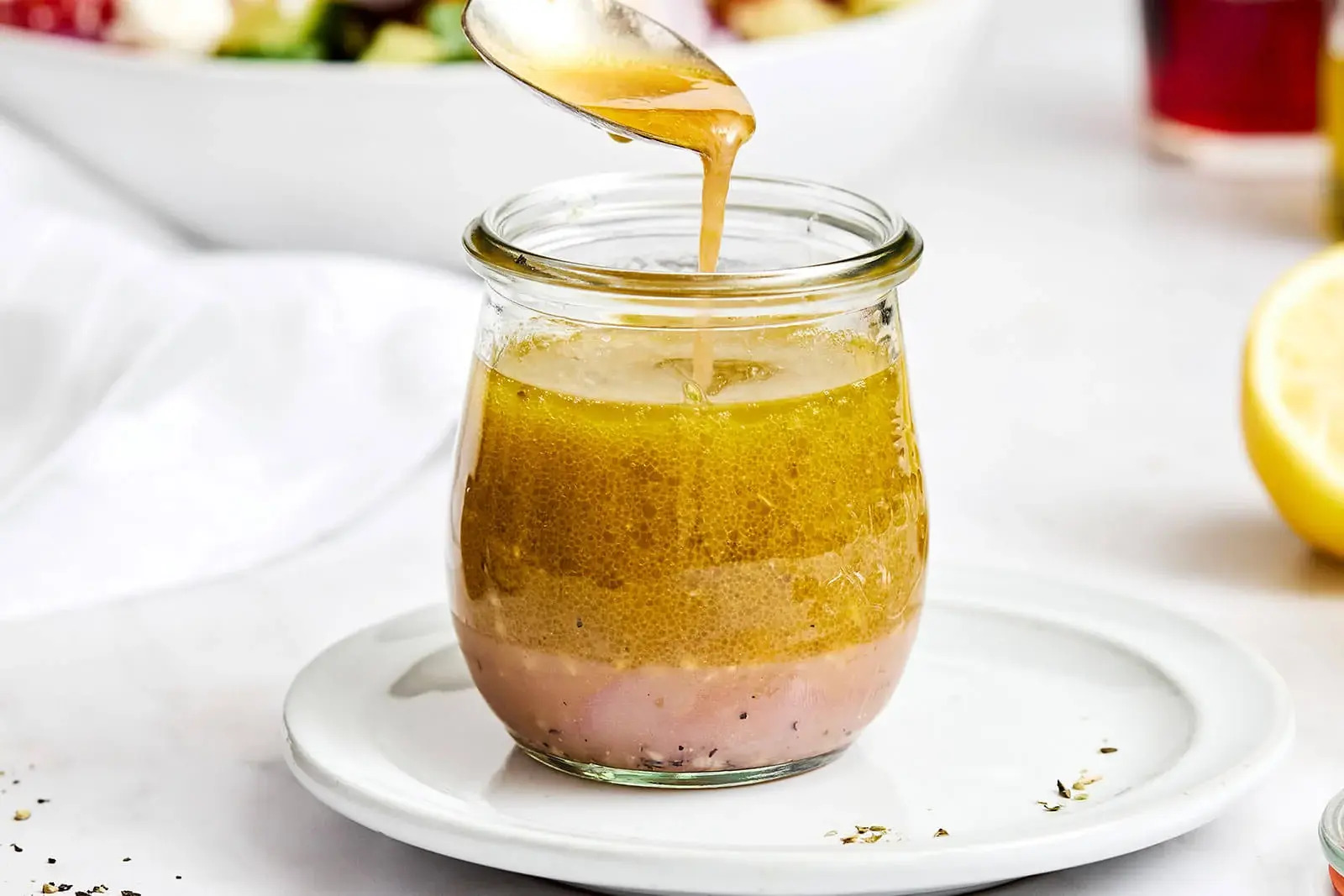
- Greekhouse Dressing Recipe10 Minutes
- Spicy Indian Chicken and Mango Curry Recipe1 Hours
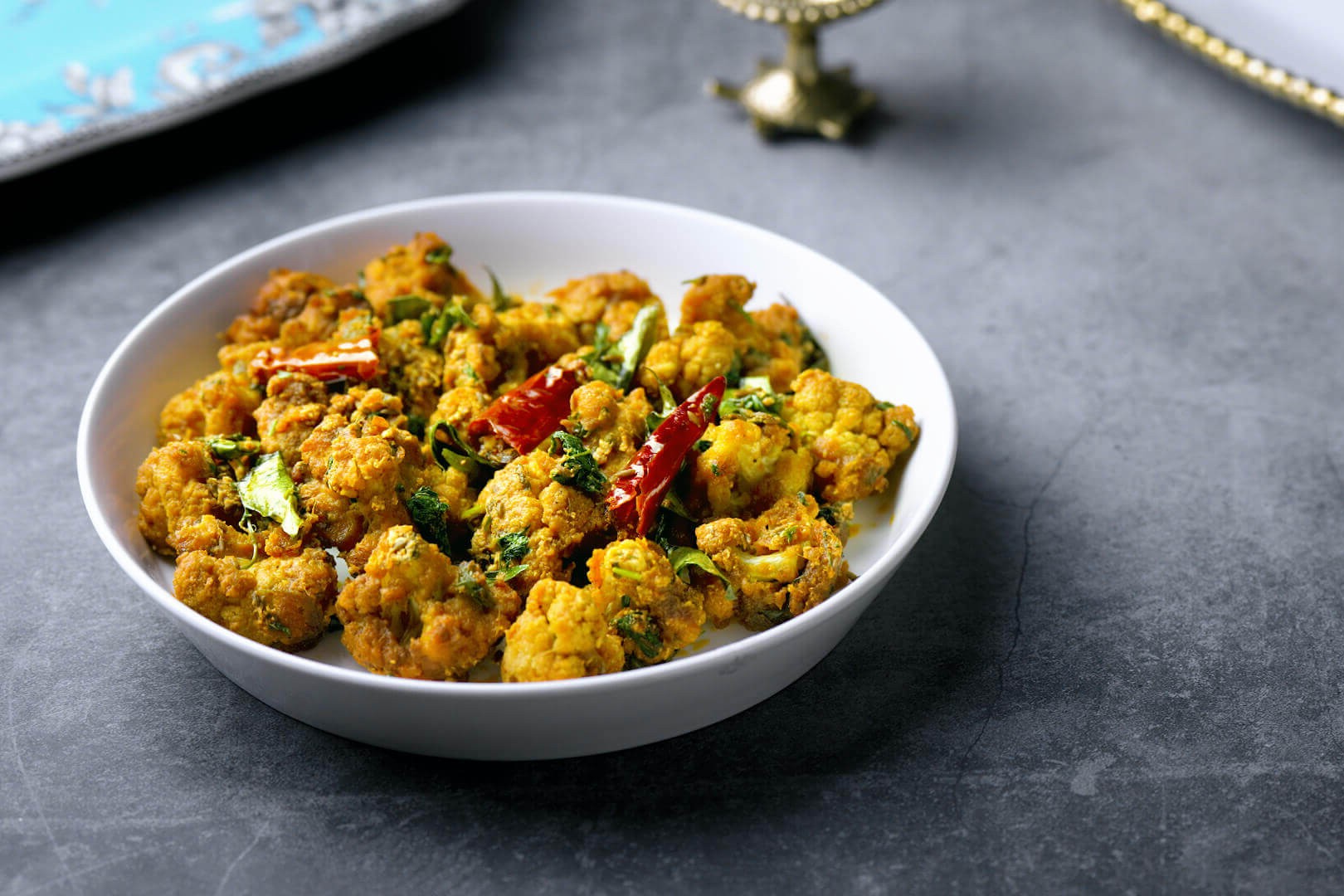
- Indian Gobi 65 Recipe35 Minutes
- Indian Chilli Gobi Recipe40 Minutes
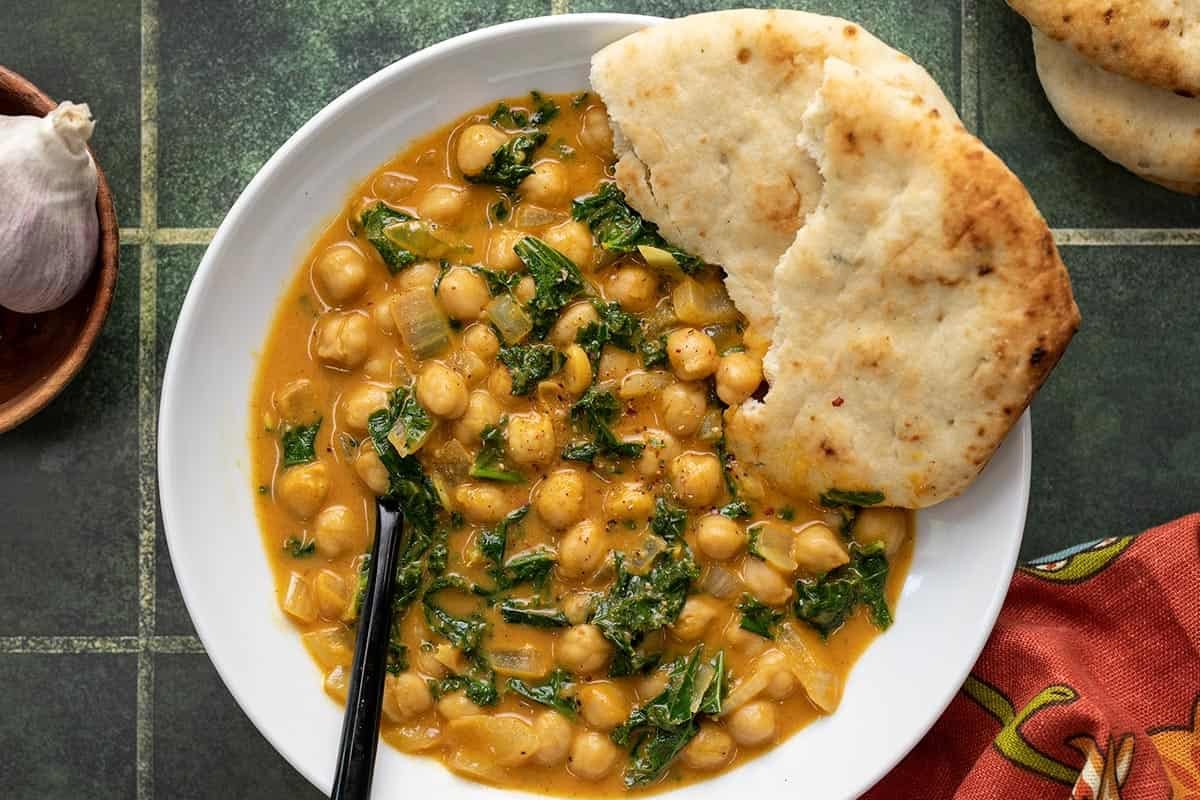
- Indian Coconut Chickpea Curry Recipe45 Minutes
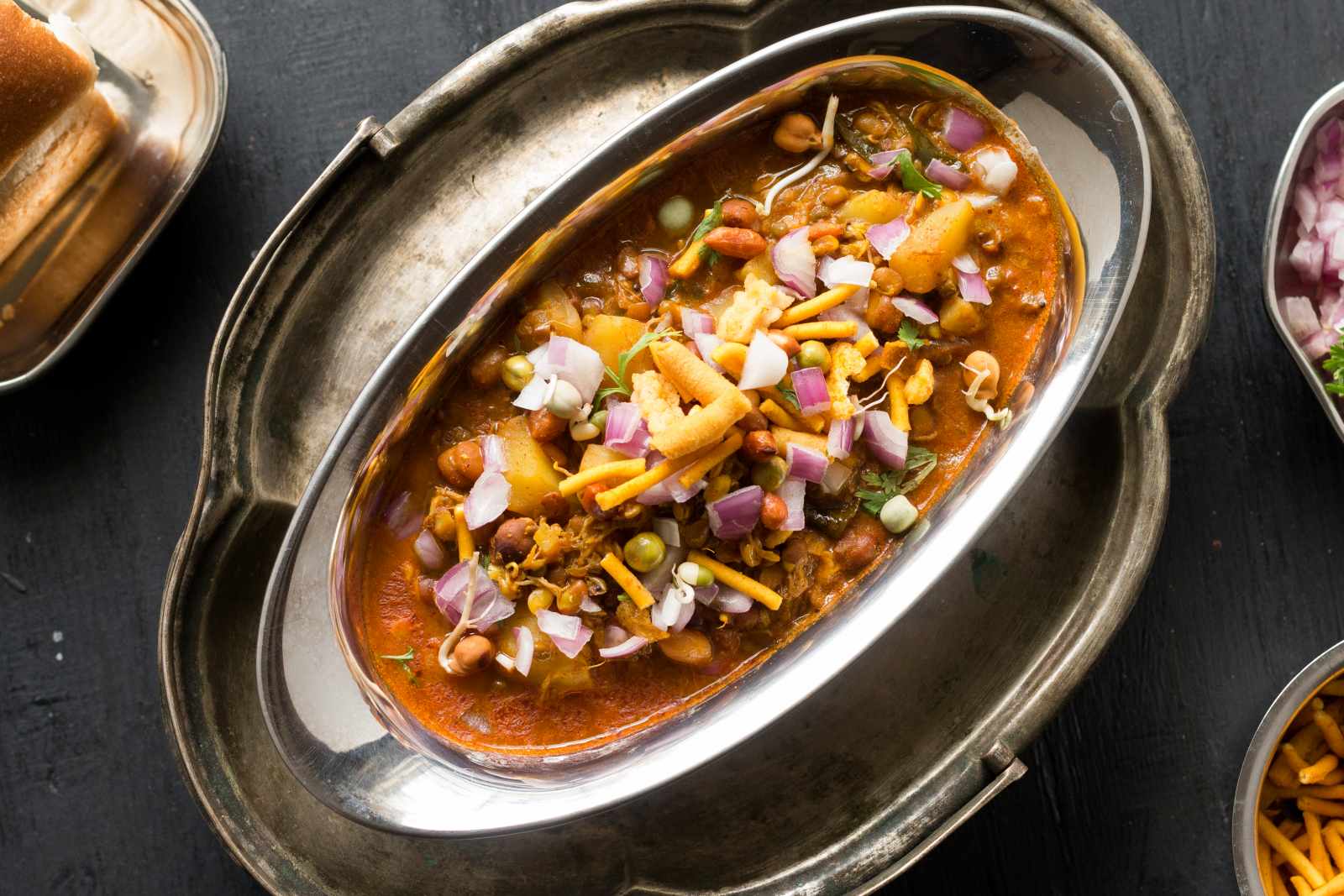
- Indian Misal Pav Recipe1 Hours
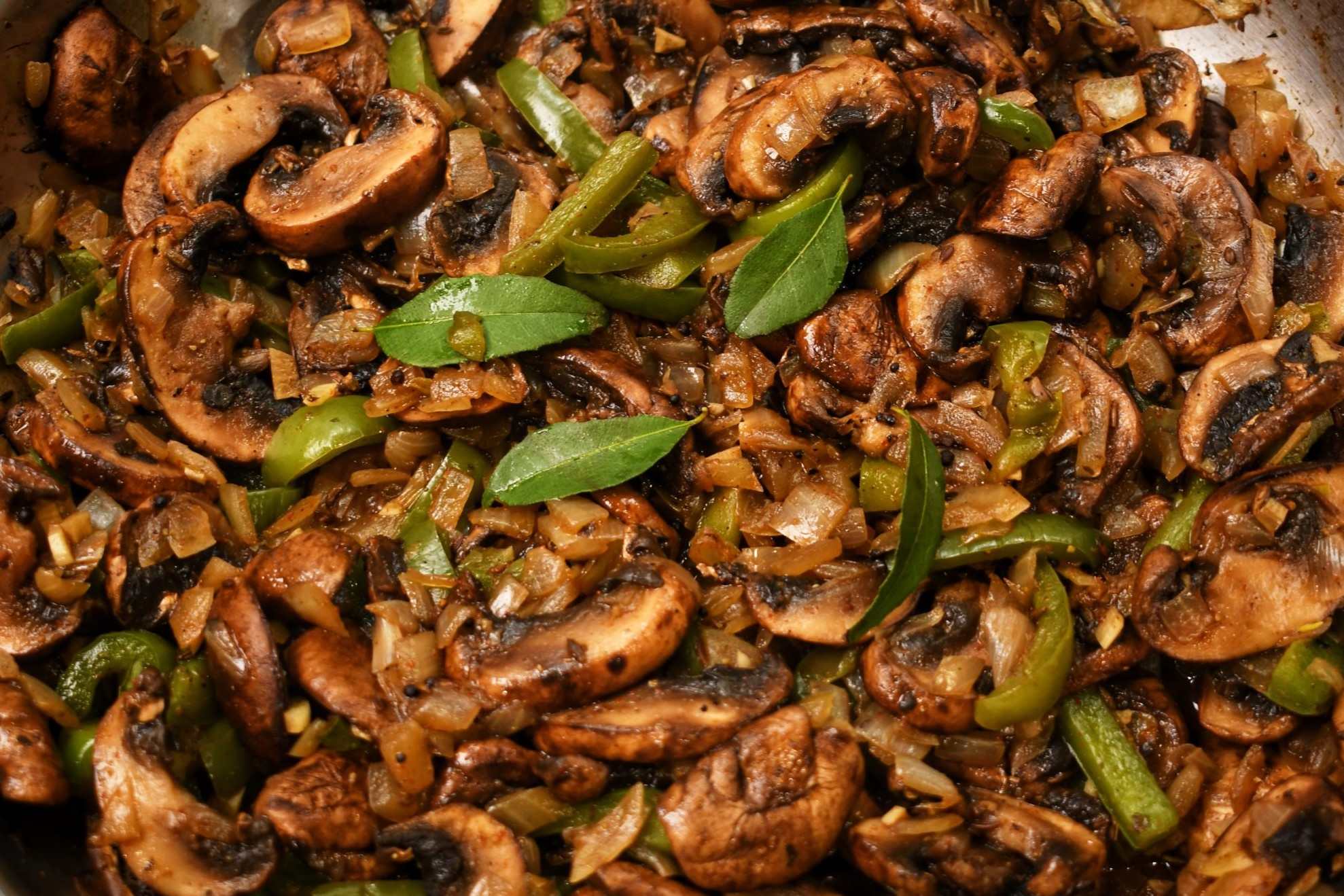
- Indian Mushroom Pepper Fry Recipe25 Minutes
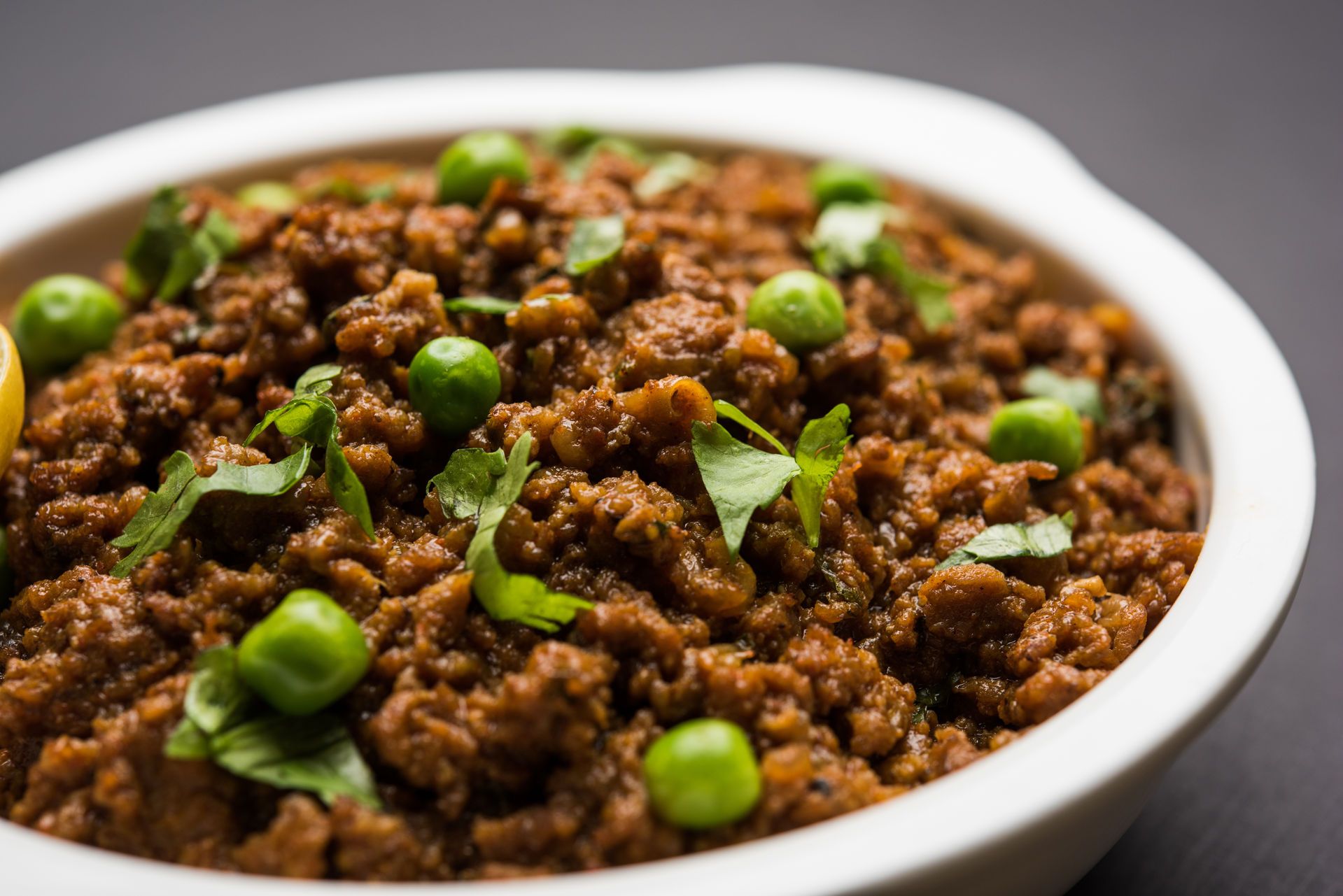
- Indian Soya Keema Recipe45 Minutes



Leave a Reply